• Skip to primary navigation
  • Skip to main content
  • Skip to primary sidebar

everywomanover29 blog

Food, Mood and Women's Health – Be your healthiest, look and feel great!

  • Blog
  • About
  • Services
  • Store
  • Resources
  • Testimonials
  • The Book
  • Contact
  • Search this site

Gabavorous

GABA-consuming bacteria discovered: Evtepia gabavorous

July 15, 2016 By Trudy Scott 25 Comments

bacteria

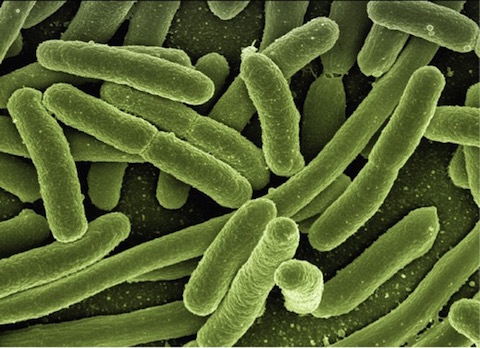
New bacteria that consumes GABA, the main calming neurotransmitter, has been discovered. It has provisionally been named KLE1738 Evtepia gabavorous (vorous means “eating”).

This new discovery was presented at the recent American Society for Microbiology conference in Boston in the Microbial Mind Control session.

Here is the entire abstract: Gaba Modulating Bacteria of the Human Gut Microbiome:

The gut microbiome affects many different diseases, and has been recently linked to human mental health. The microbiome community is diverse, but 50-80% of its diversity remains uncultured. We previously reported that uncultured bacteria from the marine environment require growth factors from neighboring species, and by using co-culture, we could cultivate novel diversity. In the present study, we used a similar co-culture approach to grow bacteria from humans stool samples. KLE1738, a “Most-Wanted” member of the human gut microbiome only known by its 16S rDNA signature, was found to require the presence of Bacteroides fragilis KLE1758 for growth. Using bio-assay driven purification of B. fragilis KLE1758 supernatant, γ-aminobutyric acid (GABA), the major inhibitory neurotransmitter of the central nervous system, was identified as the growth factor for KLE1738. We found no other tested compound but GABA supported the growth of KLE1738, and genomic analysis suggests an unusual metabolism focused on consuming GABA. Due to this unique growth requirement, we provisionally name KLE1738 Evtepia gabavorous. Using growth of E. gabalyticus as an indicator, we then identified novel GABA producing bacteria from the gut microbiome. Reduced levels of GABA are associated with depression, and we found fewer GABA producers in a human cohort of depressed individuals. By modulating the level of GABA, microbial producers and consumers of this neurotransmitter may be influencing host behavior.

If you’re anxious and especially if you have physical anxiety, it’s worth considering if low GABA is an issue and addressing your anxiety by trying to raise your GABA levels by taking GABA as a supplement, with lifestyle activities like yoga sessions, by eating a real whole foods traditional diet and by addressing gut health.

There is much research supporting the gut-brain connection and how imbalances of the microbiome i.e. intestinal dysbiosis, can contribute to:

  • anxiety, depression, social behaviour, cognition and visceral pain
  • neurobehavioral alterations in offspring
  • anorexia and anxiety/depression
  • alcohol use disorders and anxiety

Could Evtepia gabavorous be a factor in all of the above? It’s too soon to know but I expect we’ll know more as more research is completed.

If you’re looking for more information on GABA and the gut:

  • I recently covered GABA in my presentation during season 4 of the Anxiety Summit
  • and I’ve had the pleasure of interviewing Ted Dinan on psychobiotics on a previous summit
  • I also have a whole chapter on digestion and gut health in my book The Antianxiety Food Solution. It is still very relevant but could do with the addition of all this new research!

We certainly appreciate Postdoctoral Research Associate, Phillip Strandwitz and his team for the work they are doing. Strandwitz shares this on his bio:

my work has led me to focus on the gut-microbe-brain axis, specifically microbes able to modulate levels of neurotransmitters

I reached out to I asked him why he is interested this area of research and he shared this with me:

I think mental health is an incredible burden to society and there is not nearly enough spotlight nor funding to understand and treat these issues. I believe the microbiome is involved (at least to some capacity), and I’m passionate about trying to understand this involvement to create novel therapies to help those in need. I’m also a strong supporter of diet/lifestyle changes for better cognition!

How wonderful is this!

It’s early days and right now we can only speculate but it may be worth to considering if the presence of Evtepia gabavorous may be a reason why some individuals continue to need to take GABA supplements long-term to keep anxiety at bay. It also gives us additional reasons to focus on addressing gut health and boosting good bacteria to help to reduce the need for ongoing GABA supplementation.

As soon as the paper is published, I’ll have more details to share. In the meantime, enjoy the fascination and wonderment of the human body and our microbiome.

Please share if you have signs of low GABA and have you been taking GABA supplements long-term? Do you also have gut issues and dysbiosis too (based on stool testing)?

PS. So many of you contacted me with a link to this preliminary research so I’d just like to say thanks!

Filed Under: GABA Tagged With: anxiety, bacteria, depression, dysbiosis, GABA, Gabavorous, gut health, microbiome

Primary Sidebar

NEW! GABA QuickStart Homestudy (with special intro pricing)

gaba quickstart homestudy

Free Report

9 Great Questions Women Ask about Food, Mood and their Health

You'll also receive a complimentary subscription to my ezine "Food, Mood and Gal Stuff"


Connect with me

Popular Posts

  • Amino Acids Mood Questionnaire from The Antianxiety Food Solution
  • The Antianxiety Food Solution Amino Acid and Pyroluria Supplements
  • Pyroluria Questionnaire from The Antianxiety Food Solution
  • Collagen and gelatin lower serotonin: does this increase your anxiety and depression?
  • Tryptophan for the worry-in-your-head and ruminating type of anxiety
  • GABA for the physical-tension and stiff-and-tense-muscles type of anxiety
  • The Antianxiety Food Solution by Trudy Scott
  • Seriphos Original Formula is back: the best product for anxiety and insomnia caused by high cortisol
  • Am I an anxious introvert because of low zinc and vitamin B6? My response to Huffington Post blog
  • Vagus nerve rehab with GABA, breathing, humming, gargling and key nutrients

Recent Posts

  • What do I use instead of Seriphos to help lower high cortisol that is affecting my sleep and making me anxious at night?
  • BeSerene™ GABA/theanine cream eases severe muscle tension in her neck/shoulders, prevents her bad headaches and quells her anxiety
  • How the correct approach, dose and sublingual use of GABA can be calming and not cause a flushed and itchy face and neck
  • The amino acid glutamine improves low mood by addressing gut health, and it has calming effects too
  • Flight anxiety with heightened breath, physical tension and also fearing the worst (the role of low GABA and low serotonin)

Categories

  • 5-HTP
  • AB575
  • Addiction
  • ADHD
  • Adrenals
  • Alcohol
  • Allergies
  • Alzheimer's disease
  • Amino Acids
  • Anger
  • Antianxiety
  • Antianxiety Food Solution
  • Antidepressants
  • Anxiety
  • Anxiety and panic
  • Autism
  • Autoimmunity
  • benzodiazapines
  • Bipolar disorder
  • Books
  • Caffeine
  • Cancer
  • Candida
  • Children/Teens
  • Collagen
  • Cooking equipment
  • Coronavirus/COVID-19
  • Cravings
  • Depression
  • Detoxification
  • Diabetes
  • Diet
  • DPA/DLPA
  • Drugs
  • EFT/Tapping
  • EMF
  • EMFs
  • Emotional Eating
  • Endorphins
  • Environment
  • Essential oils
  • Events
  • Exercise
  • Fear
  • Fear of public speaking
  • Fertility and Pregnancy
  • Fish
  • Food
  • Food and mood
  • Functional neurology
  • GABA
  • Gene polymorphisms
  • General Health
  • Giving
  • Giving back
  • Glutamine
  • Gluten
  • GMOs
  • Gratitude
  • Gut health
  • Heart health/hypertension
  • Histamine
  • Hormone
  • Hyperparathyroidism
  • Hypoglycemia
  • Immune system
  • Inflammation
  • Insomnia
  • Inspiration
  • Introversion
  • Joy and happiness
  • Ketogenic diet
  • Lithium orotate
  • Looking awesome
  • Lyme disease and co-infections
  • MCAS/histamine
  • Medication
  • Men's health
  • Mental health
  • Mercury
  • Migraine
  • Mold
  • Movie
  • MTHFR
  • Multiple sclerosis
  • Music
  • NANP
  • Nature
  • Nutritional Psychiatry
  • OCD
  • Osteoporosis
  • Oxalates
  • Oxytocin
  • Pain
  • Paleo
  • Parasites
  • Parkinson’s disease
  • PCOS
  • People
  • PMS
  • Postpartum
  • PTSD/Trauma
  • Pyroluria
  • Questionnaires
  • Real whole food
  • Recipes
  • Research
  • Schizophrenia
  • serotonin
  • SIBO
  • Sleep
  • Special diets
  • Sports nutrition
  • Stress
  • Sugar addiction
  • Sugar and mood
  • Supplements
  • Teens
  • Testimonials
  • Testing
  • The Anxiety Summit
  • The Anxiety Summit 2
  • The Anxiety Summit 3
  • The Anxiety Summit 4
  • The Anxiety Summit 5
  • The Anxiety Summit 6
  • Thyroid
  • Thyroid health
  • Toxins
  • Tryptophan
  • Tyrosine
  • Uncategorized
  • Vegan/vegetarian
  • Women's health
  • Yoga

Archives

  • October 2025
  • September 2025
  • August 2025
  • July 2025
  • June 2025
  • May 2025
  • April 2025
  • March 2025
  • February 2025
  • January 2025
  • November 2024
  • October 2024
  • September 2024
  • August 2024
  • July 2024
  • June 2024
  • May 2024
  • April 2024
  • March 2024
  • February 2024
  • January 2024
  • December 2023
  • November 2023
  • October 2023
  • September 2023
  • August 2023
  • July 2023
  • June 2023
  • May 2023
  • April 2023
  • March 2023
  • February 2023
  • January 2023
  • December 2022
  • November 2022
  • October 2022
  • September 2022
  • August 2022
  • July 2022
  • June 2022
  • May 2022
  • April 2022
  • March 2022
  • February 2022
  • January 2022
  • December 2021
  • November 2021
  • October 2021
  • September 2021
  • August 2021
  • July 2021
  • June 2021
  • May 2021
  • April 2021
  • March 2021
  • February 2021
  • January 2021
  • December 2020
  • November 2020
  • October 2020
  • September 2020
  • August 2020
  • July 2020
  • June 2020
  • May 2020
  • April 2020
  • March 2020
  • February 2020
  • January 2020
  • December 2019
  • November 2019
  • October 2019
  • September 2019
  • August 2019
  • July 2019
  • June 2019
  • May 2019
  • April 2019
  • March 2019
  • February 2019
  • January 2019
  • December 2018
  • November 2018
  • October 2018
  • September 2018
  • August 2018
  • July 2018
  • June 2018
  • May 2018
  • April 2018
  • March 2018
  • February 2018
  • January 2018
  • December 2017
  • November 2017
  • October 2017
  • September 2017
  • August 2017
  • July 2017
  • June 2017
  • May 2017
  • April 2017
  • March 2017
  • February 2017
  • January 2017
  • December 2016
  • November 2016
  • October 2016
  • September 2016
  • August 2016
  • July 2016
  • June 2016
  • May 2016
  • April 2016
  • March 2016
  • February 2016
  • January 2016
  • December 2015
  • November 2015
  • October 2015
  • September 2015
  • August 2015
  • July 2015
  • June 2015
  • May 2015
  • April 2015
  • March 2015
  • February 2015
  • January 2015
  • December 2014
  • November 2014
  • October 2014
  • September 2014
  • August 2014
  • July 2014
  • June 2014
  • May 2014
  • April 2014
  • March 2014
  • February 2014
  • January 2014
  • December 2013
  • November 2013
  • October 2013
  • September 2013
  • August 2013
  • July 2013
  • June 2013
  • May 2013
  • April 2013
  • March 2013
  • February 2013
  • January 2013
  • December 2012
  • November 2012
  • October 2012
  • August 2012
  • July 2012
  • June 2012
  • May 2012
  • April 2012
  • March 2012
  • February 2012
  • January 2012
  • December 2011
  • November 2011
  • October 2011
  • September 2011
  • August 2011
  • July 2011
  • June 2011
  • May 2011
  • April 2011
  • March 2011
  • February 2011
  • January 2011
  • December 2010
  • October 2010
  • September 2010
  • July 2010
  • May 2010
  • April 2010
  • March 2010
  • February 2010
  • January 2010
  • November 2009

Share the knowledge!

The above statements have not been evaluated by the Food and Drug Administration. Products listed in this website are not intended to diagnose, treat, cure or prevent any disease.

The information provided on this site is for informational and educational purposes only and is not intended as a substitute for advice from your physician or other health care professional. You should consult with a healthcare professional before starting or modifying any diet, exercise, or supplementation program, before taking or stopping any medication, or if you have or suspect you may have a health problem.


Copyright © 2026 Trudy Scott. All Rights Reserved. | Privacy | Terms and Conditions | Refund Policy | Medical Disclaimer

Free Report

9 Great Questions Women Ask about Food, Mood and their Health

You’ll also receive a complimentary subscription to my ezine “Food, Mood and Gal Stuff”