• Skip to primary navigation
  • Skip to main content
  • Skip to primary sidebar

everywomanover29 blog

Food, Mood and Women's Health – Be your healthiest, look and feel great!

  • Blog
  • About
  • Services
  • Store
  • Resources
  • Testimonials
  • The Book
  • Contact
  • Search this site

Fetal alcohol syndrome

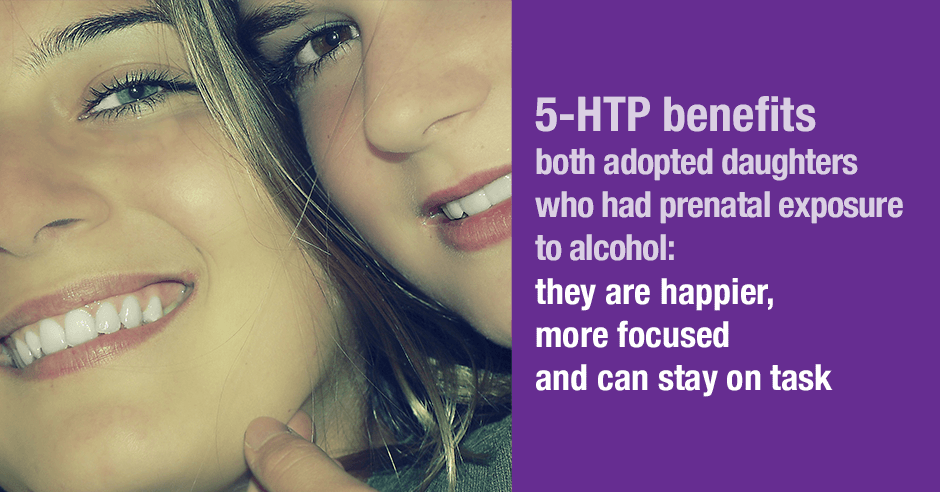
5-HTP benefits both adopted daughters who had prenatal exposure to alcohol: they are happier, more focused and can stay on task

March 5, 2021 By Trudy Scott 10 Comments

5-htp and prenatal exposure to alcohol

A grateful mom, Besty, posted wonderful feedback on the 5-HTP and ADHD blog.  She shared how 5-HTP benefits both her adopted daughters who had prenatal exposure to alcohol i.e. exposure to alcohol while in the womb. When using the supplement 5-HTP, an amino acid precursor to serotonin, both girls are happier, more focused and can now stay on task. Here is the feedback Besty shared on the blog:

After listening to Dr. Michael Murry’s interview on your Anxiety Summit, I decided to try 5-HTP on my 18-year-old daughter (a senior in high school) who was adopted at 5 years of age. She has always had some issues with focus, but she has never been medicated for this. She has had some learning struggles. She was exposed to alcohol in the womb, so some of her learning difficulty has been attributed to this.

She started 5-HTP in December and doesn’t ever want to miss a day on it. She says that she can better complete her assignments because it helps her to “stay on task”.

Even on days that she is not in school, she wants to take it, because it makes her feel happier.

Because she has done so well on it, her 23-year-old biological sister (also adopted) started on it. She was also exposed to alcohol while in the womb and has some learning struggles. She is in college. She also doesn’t want to miss a day, because she says that “it keeps her on her toes,” which she says means that it “keeps me focused,” when she is working on her school work.

I am so thankful that I learned about this therapy through your summit!

I thanked Besty for her kind words and for sharing this wonderful outcome both her daughters experienced.  I love hearing stories like this and I am sharing this as a blog post so more folks are inspired and have hope.

Prenatal exposure to alcohol: the adverse effects, and impacts on serotonin and dopamine

This 2012 paper, Moderate prenatal alcohol exposure and serotonin genotype interact to alter CNS serotonin function in Rhesus monkey offspring, describes fetal alcohol spectrum disorder (FASD):

  • Fetal alcohol spectrum disorder (FASD) is associated with a range of adverse effects that can be observed in children prenatally exposed to alcohol.
  • Fetal alcohol syndrome (FAS), which includes growth retardation, craniofacial anomalies, CNS dysfunction, and cognitive and behavioral impairments, is the most serious of the FASD outcomes of prenatal alcohol exposure.
  • Alcohol-related neuro-developmental disorder (ARND) is the term used to describe prenatally alcohol-exposed children with problems that are primarily neurobehavioral, including cognitive effects, hyperactivity, impulsivity, reduced attention span, and lack of inhibition.

It appears these young girls may fall into the ARND category with their reduced attention span and cognitive issues, and some possible neurobehavioral issues. I’m not, however, aware if a diagnosis was made. I’m also not aware if hyperactivity, impulsivity and lack of inhibition have been issues too.

This paper also discusses the research on prenatal alcohol exposure and deficiencies in the serotonergic neurotransmitter system, and the possibility that genetic factors might predispose someone to fetal alcohol effects during a sensitive period. These are primarily genes affecting serotonin production. The authors also report that prenatal exposure to alcohol also affects dopamine levels.

Addressing neurotransmitter imbalances with tryptophan, 5-HTP and tyrosine

We don’t often associate low serotonin with ADHD (attention deficit and hyperactivity disorder) and poor focus but the research and clinical outcomes like this one (and the other success story below with 5-HTP melts) is very promising.

If you are new to addressing neurotransmitter imbalances with targeted amino acids you may find these blogs helpful:

  • Using tryptophan to address low serotonin eases worry, rumination, anxiety and negative self-talk. Keep in mind that some folks do better with tryptophan and some do better with 5-HTP.
  • ADHD: 5-HTP melts have been a miracle for one of my adopted kids. I summarize the role of serotonin in ADHD, the interplay with dopamine and the use of oral tryptophan (a serotonin precursor similar to 5-HTP). And this is the blog post that Besty commented on.
  • We typically consider the use of tyrosine to address low dopamine (one of the catecholamines), leading to better focus, good energy and better motivation so you are more likely to finish tasks. It also improves mood.

Questions I still have about the 5-HTP trials

I have these questions I posed to Betsy and hope to hear back as I feel these answers may be helpful as you navigate your trials with 5-HTP (for yourself or your loved ones):

  • Which product are they using and how much is helping?
  • Did your daughters make any other changes (diet or other supplements) at the same time?
  • What have they tried over the years to help with focus and learning issues?
  • Why did you initially decide to trial 5-HTP with your younger daughter?
  • Did your younger daughter encourage her older sister to trial 5-HTP too?
  • Did either daughter have any of the classic low serotonin symptoms too: worry-type of anxiety, ruminations, OCD, fears, PMS, irritability, insomnia, afternoon/evening cravings, anger issues, lack of confidence? And did the 5-HTP help with any of these symptoms too?
  • Were some of the classic low serotonin symptoms a factor when it came to lack of focus? For example, did the worrying or feelings of fear or insomnia contribute to the inability to stay on task and keep focused?

I’ll report back once I get Besty’s feedback. But keep in mind that dosing/timing doesn’t really matter as the doses that work for her daughters are unique to their own biochemistry and needs.

Additional resources when you are new to using GABA, 5-HTP and other amino acids as supplements

As always, I use the symptoms questionnaire to figure out if low serotonin or low GABA or other neurotransmitter imbalances may be an issue.

If you suspect low levels of any of the neurotransmitters and do not yet have my book, The Antianxiety Food Solution – How the Foods You Eat Can Help You Calm Your Anxious Mind, Improve Your Mood, and End Cravings, I highly recommend getting it and reading it before jumping in and using amino acids on your own so you are knowledgeable. And be sure to share it with the practitioner/health team you or your loved one is working with.

There is an entire chapter on the amino acids and they are discussed throughout the book in the sections on gut health, gluten, blood sugar control (this is covered in an entire chapter too), sugar cravings, anxiety and mood issues.

The book doesn’t include product names (per the publisher’s request) so this blog, The Antianxiety Food Solution Amino Acid and Pyroluria Supplements, lists the amino acids that I use with my individual clients and those in my group programs.

If, after reading this blog and my book, you don’t feel comfortable figuring things out on your own (i.e. doing the symptoms questionnaire and respective amino acids trials), a good place to get help is the GABA QuickStart Program (if you have low GABA symptoms). This is a paid online/virtual group program where you get my guidance and community support.

If you are a practitioner, join us in The Balancing Neurotransmitters: the Fundamentals program. This is also a paid online/virtual program with an opportunity to interact with me and other practitioners who are also using the amino acids.

Wrapping up and your feedback

Have you found that 5-HTP (or tryptophan) helps your child (who was exposed to alcohol in the womb) with focus and ADHD symptoms? Are they happier when using one of these serotonin precursors?

If you’re a practitioner working with children or adults who have had prenatal exposure to alcohol, have you had good results with 5-HTP or tryptophan?

Feel free to post your questions and feedback in the comments below.

Filed Under: 5-HTP, ADHD, Anxiety, Children/Teens, serotonin, Testimonials Tagged With: 5-HTP, ADHD, Alcohol-related neuro-developmental disorder, anxiety, ARND, can stay on task, cognitive, dopamine, exposure to alcohol while in the womb, FAS, FASD, fetal alcohol spectrum disorder, Fetal alcohol syndrome, focus, genetic, happier, hyperactivity, more focused, neurobehavioral, neurotransmitter, prenatal exposure to alcohol, serotonin, tryptophan, tyrosine

Primary Sidebar

NEW! GABA QuickStart Homestudy (with special intro pricing)

gaba quickstart homestudy

Free Report

9 Great Questions Women Ask about Food, Mood and their Health

You'll also receive a complimentary subscription to my ezine "Food, Mood and Gal Stuff"


Connect with me

Popular Posts

  • Amino Acids Mood Questionnaire from The Antianxiety Food Solution
  • The Antianxiety Food Solution Amino Acid and Pyroluria Supplements
  • Pyroluria Questionnaire from The Antianxiety Food Solution
  • Collagen and gelatin lower serotonin: does this increase your anxiety and depression?
  • Tryptophan for the worry-in-your-head and ruminating type of anxiety
  • GABA for the physical-tension and stiff-and-tense-muscles type of anxiety
  • The Antianxiety Food Solution by Trudy Scott
  • Seriphos Original Formula is back: the best product for anxiety and insomnia caused by high cortisol
  • Am I an anxious introvert because of low zinc and vitamin B6? My response to Huffington Post blog
  • Vagus nerve rehab with GABA, breathing, humming, gargling and key nutrients

Recent Posts

  • What do I use instead of Seriphos to help lower high cortisol that is affecting my sleep and making me anxious at night?
  • BeSerene™ GABA/theanine cream eases severe muscle tension in her neck/shoulders, prevents her bad headaches and quells her anxiety
  • How the correct approach, dose and sublingual use of GABA can be calming and not cause a flushed and itchy face and neck
  • The amino acid glutamine improves low mood by addressing gut health, and it has calming effects too
  • Flight anxiety with heightened breath, physical tension and also fearing the worst (the role of low GABA and low serotonin)

Categories

  • 5-HTP
  • AB575
  • Addiction
  • ADHD
  • Adrenals
  • Alcohol
  • Allergies
  • Alzheimer's disease
  • Amino Acids
  • Anger
  • Antianxiety
  • Antianxiety Food Solution
  • Antidepressants
  • Anxiety
  • Anxiety and panic
  • Autism
  • Autoimmunity
  • benzodiazapines
  • Bipolar disorder
  • Books
  • Caffeine
  • Cancer
  • Candida
  • Children/Teens
  • Collagen
  • Cooking equipment
  • Coronavirus/COVID-19
  • Cravings
  • Depression
  • Detoxification
  • Diabetes
  • Diet
  • DPA/DLPA
  • Drugs
  • EFT/Tapping
  • EMF
  • EMFs
  • Emotional Eating
  • Endorphins
  • Environment
  • Essential oils
  • Events
  • Exercise
  • Fear
  • Fear of public speaking
  • Fertility and Pregnancy
  • Fish
  • Food
  • Food and mood
  • Functional neurology
  • GABA
  • Gene polymorphisms
  • General Health
  • Giving
  • Giving back
  • Glutamine
  • Gluten
  • GMOs
  • Gratitude
  • Gut health
  • Heart health/hypertension
  • Histamine
  • Hormone
  • Hyperparathyroidism
  • Hypoglycemia
  • Immune system
  • Inflammation
  • Insomnia
  • Inspiration
  • Introversion
  • Joy and happiness
  • Ketogenic diet
  • Lithium orotate
  • Looking awesome
  • Lyme disease and co-infections
  • MCAS/histamine
  • Medication
  • Men's health
  • Mental health
  • Mercury
  • Migraine
  • Mold
  • Movie
  • MTHFR
  • Multiple sclerosis
  • Music
  • NANP
  • Nature
  • Nutritional Psychiatry
  • OCD
  • Osteoporosis
  • Oxalates
  • Oxytocin
  • Pain
  • Paleo
  • Parasites
  • Parkinson’s disease
  • PCOS
  • People
  • PMS
  • Postpartum
  • PTSD/Trauma
  • Pyroluria
  • Questionnaires
  • Real whole food
  • Recipes
  • Research
  • Schizophrenia
  • serotonin
  • SIBO
  • Sleep
  • Special diets
  • Sports nutrition
  • Stress
  • Sugar addiction
  • Sugar and mood
  • Supplements
  • Teens
  • Testimonials
  • Testing
  • The Anxiety Summit
  • The Anxiety Summit 2
  • The Anxiety Summit 3
  • The Anxiety Summit 4
  • The Anxiety Summit 5
  • The Anxiety Summit 6
  • Thyroid
  • Thyroid health
  • Toxins
  • Tryptophan
  • Tyrosine
  • Uncategorized
  • Vegan/vegetarian
  • Women's health
  • Yoga

Archives

  • October 2025
  • September 2025
  • August 2025
  • July 2025
  • June 2025
  • May 2025
  • April 2025
  • March 2025
  • February 2025
  • January 2025
  • November 2024
  • October 2024
  • September 2024
  • August 2024
  • July 2024
  • June 2024
  • May 2024
  • April 2024
  • March 2024
  • February 2024
  • January 2024
  • December 2023
  • November 2023
  • October 2023
  • September 2023
  • August 2023
  • July 2023
  • June 2023
  • May 2023
  • April 2023
  • March 2023
  • February 2023
  • January 2023
  • December 2022
  • November 2022
  • October 2022
  • September 2022
  • August 2022
  • July 2022
  • June 2022
  • May 2022
  • April 2022
  • March 2022
  • February 2022
  • January 2022
  • December 2021
  • November 2021
  • October 2021
  • September 2021
  • August 2021
  • July 2021
  • June 2021
  • May 2021
  • April 2021
  • March 2021
  • February 2021
  • January 2021
  • December 2020
  • November 2020
  • October 2020
  • September 2020
  • August 2020
  • July 2020
  • June 2020
  • May 2020
  • April 2020
  • March 2020
  • February 2020
  • January 2020
  • December 2019
  • November 2019
  • October 2019
  • September 2019
  • August 2019
  • July 2019
  • June 2019
  • May 2019
  • April 2019
  • March 2019
  • February 2019
  • January 2019
  • December 2018
  • November 2018
  • October 2018
  • September 2018
  • August 2018
  • July 2018
  • June 2018
  • May 2018
  • April 2018
  • March 2018
  • February 2018
  • January 2018
  • December 2017
  • November 2017
  • October 2017
  • September 2017
  • August 2017
  • July 2017
  • June 2017
  • May 2017
  • April 2017
  • March 2017
  • February 2017
  • January 2017
  • December 2016
  • November 2016
  • October 2016
  • September 2016
  • August 2016
  • July 2016
  • June 2016
  • May 2016
  • April 2016
  • March 2016
  • February 2016
  • January 2016
  • December 2015
  • November 2015
  • October 2015
  • September 2015
  • August 2015
  • July 2015
  • June 2015
  • May 2015
  • April 2015
  • March 2015
  • February 2015
  • January 2015
  • December 2014
  • November 2014
  • October 2014
  • September 2014
  • August 2014
  • July 2014
  • June 2014
  • May 2014
  • April 2014
  • March 2014
  • February 2014
  • January 2014
  • December 2013
  • November 2013
  • October 2013
  • September 2013
  • August 2013
  • July 2013
  • June 2013
  • May 2013
  • April 2013
  • March 2013
  • February 2013
  • January 2013
  • December 2012
  • November 2012
  • October 2012
  • August 2012
  • July 2012
  • June 2012
  • May 2012
  • April 2012
  • March 2012
  • February 2012
  • January 2012
  • December 2011
  • November 2011
  • October 2011
  • September 2011
  • August 2011
  • July 2011
  • June 2011
  • May 2011
  • April 2011
  • March 2011
  • February 2011
  • January 2011
  • December 2010
  • October 2010
  • September 2010
  • July 2010
  • May 2010
  • April 2010
  • March 2010
  • February 2010
  • January 2010
  • November 2009

Share the knowledge!

The above statements have not been evaluated by the Food and Drug Administration. Products listed in this website are not intended to diagnose, treat, cure or prevent any disease.

The information provided on this site is for informational and educational purposes only and is not intended as a substitute for advice from your physician or other health care professional. You should consult with a healthcare professional before starting or modifying any diet, exercise, or supplementation program, before taking or stopping any medication, or if you have or suspect you may have a health problem.


Copyright © 2026 Trudy Scott. All Rights Reserved. | Privacy | Terms and Conditions | Refund Policy | Medical Disclaimer

Free Report

9 Great Questions Women Ask about Food, Mood and their Health

You’ll also receive a complimentary subscription to my ezine “Food, Mood and Gal Stuff”