• Skip to primary navigation
  • Skip to main content
  • Skip to primary sidebar

everywomanover29 blog

Food, Mood and Women's Health – Be your healthiest, look and feel great!

  • Blog
  • About
  • Services
  • Store
  • Resources
  • Testimonials
  • The Book
  • Contact
  • Search this site

coconut

Chunky Coconut Cauliflower Rice Recipe (low oxalate, Paleo/keto, low carb) and loaded with glucosinolates

November 10, 2023 By Trudy Scott Leave a Comment

coconut cauliflower rice

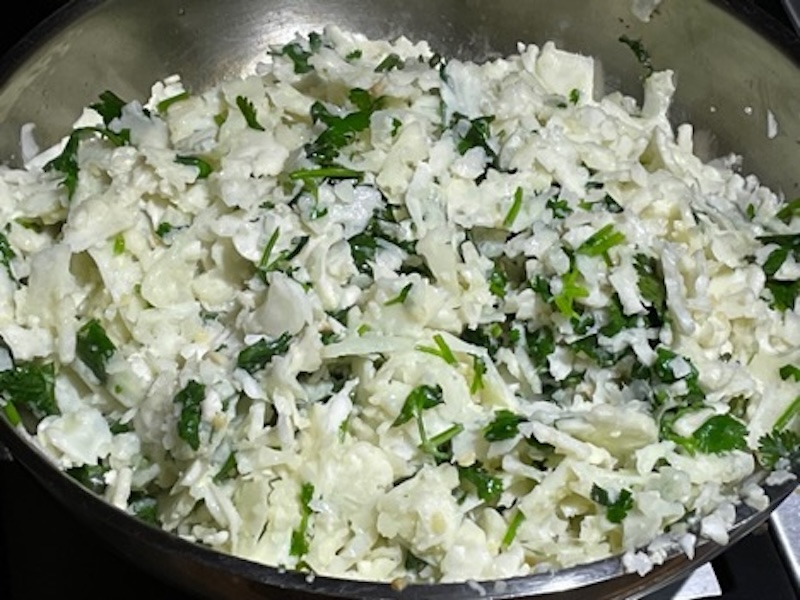
I love cauliflower any which way – like steamed with butter or roasted in coconut oil – and I’m always looking for new ideas to enjoy this healthy, yummy and very versatile cruciferous vegetable. I also like to modify recipes to my own liking and this recipe is a version of a new favorite of mine. You’ll notice it’s quite chunky and not overcooked so it ends up being a little crunchy. The flavors are mild so you can actually taste the cauliflower.

I do love that this is low oxalate, Paleo/keto and low carb, and loaded with glucosinolates. I share more on all this below.

Chunky Coconut Cauliflower Rice Recipe

Ingredients

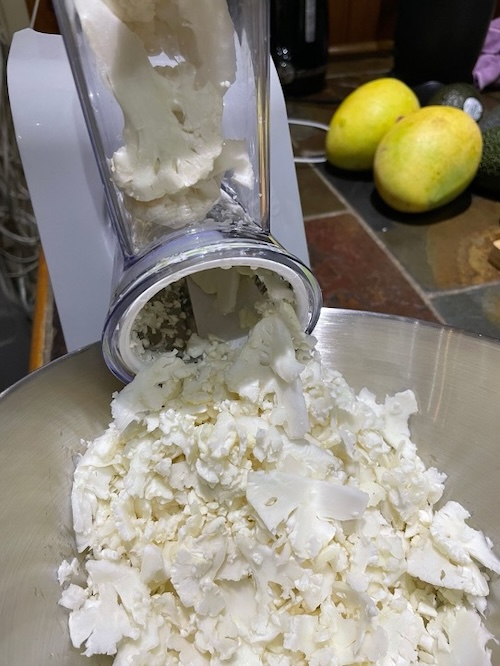
1 organic cauliflower, chopped into chunks and then fed through a food processor using a blade that results in chunky pieces
3-4 Tablespoons coconut oil
2 Tablespoons dried garlic flakes
Half a bunch of fresh cilantro, chopped finely (with the stalks)
Half a cup of full fat coconut milk

Method

Heat the coconut oil in a frying pan on medium heat, add the chunkily chopped cauliflower and garlic flakes. Stir to coat with the coconut oil and continue stirring to cook lightly – for about 6 minutes. Add the finely chopped fresh cilantro and stir to mix it all into the cauliflower. Add the coconut milk and continue to cook for another 2-3 minutes. Serve and enjoy!

Other flavor options could include onion, curry powder or other favorite spices. I like to keep mine simple and add sea salt when it’s served because I love the taste of cauliflower and don’t want to overpower it.
coconut cauliflower rice
I like to use chunky pieces of cauliflower.
coconut cauliflower rice
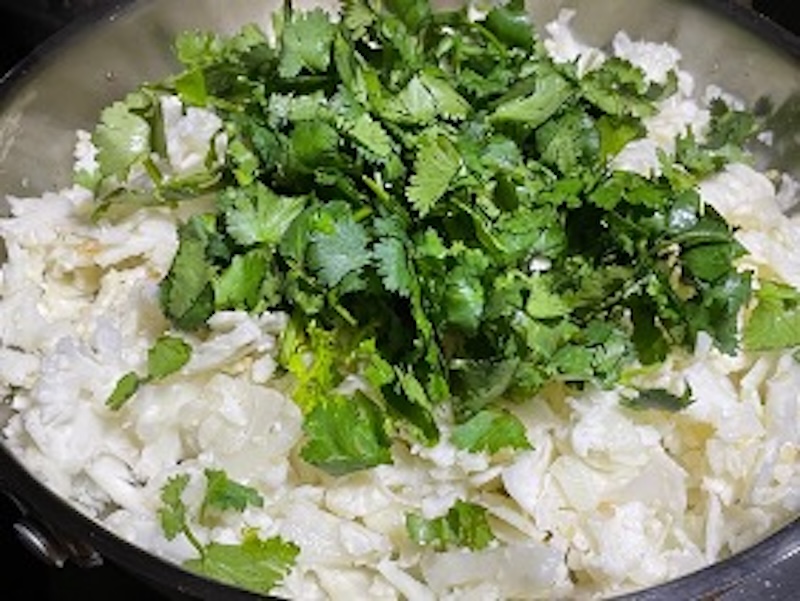
And I keep the stems on the cilantro when I chop it. It’s added once the cauliflower is almost ready and then mixed in.
coconut cauliflower rice
This is the end result – crunchy, tasty and colorful!

This recipe is low oxalate, low carb and satiating

Cauliflower is low oxalate with about 1/10 the oxalates of mashed potato and sweet potato so it’s a great replacement. (If you’re new to oxalates, click on this link to read other blog posts on the topic – and learn how they may contribute to sharp pain, bladder issues, anxiety, vulvodynia and more.)

It’s less of a blood sugar hit and lower calories if you are eating low carb or Paleo or keto. You can read some anxiety and depression success with Paleo and grain free diets here.

It’s also a great way to get your children or husbands or other loved ones to really enjoy cauliflower and come back for seconds when steamed or roasted cauliflower doesn’t grab them.

Because of the coconut oil and coconut milk it’s creamy and tasty and these healthy fats make it very satiating too

This recipe also looks great and can be served at Thanksgiving, Christmas and other special meals. It can be cooked in advance and then heated up as needed and served right from the pan. It’s also delicious the next day, heated up again and also served cold.

Benefits of glucosinolates from cruciferous vegetables

As well as a delicious low oxalate/low carb side order, cauliflower, a cruciferous vegetable, also provides a source of glucosinolates:

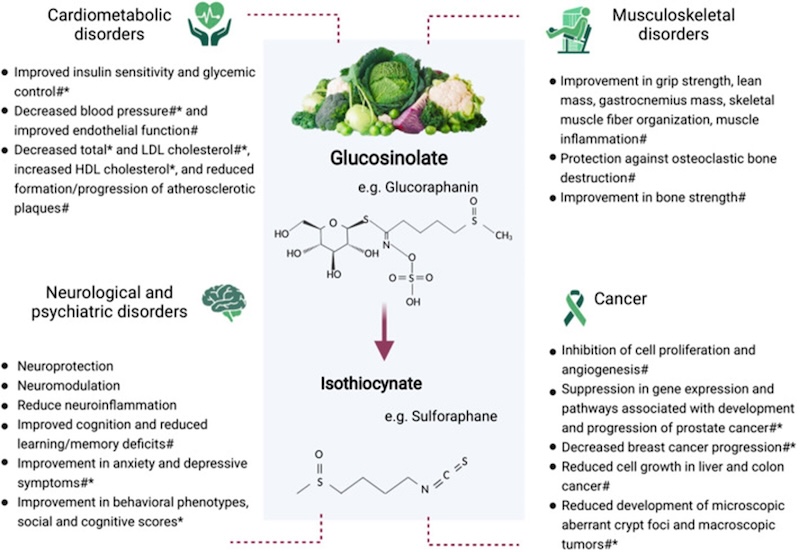
As outlined in this paper, Glucosinolates From Cruciferous Vegetables and Their Potential Role in Chronic Disease: Investigating the Preclinical and Clinical Evidence

An increasing body of evidence highlights the strong potential for a diet rich in fruit and vegetables to delay, and often prevent, the onset of chronic diseases, including cardiometabolic, neurological, and musculoskeletal conditions, and certain cancers.

A possible protective component, glucosinolates, which are phytochemicals found almost exclusively in cruciferous vegetables, have been identified from preclinical and clinical studies.

Current research suggests that glucosinolates (and isothiocyanates) act via several mechanisms, ultimately exhibiting anti-inflammatory, antioxidant, and chemo-protective effects. This review summarizes the current knowledge surrounding cruciferous vegetables and their glucosinolates in relation to the specified health conditions.

This image from the above paper provides a great visual. As you can see, there are documented improvements for anxiety and depression, as well as neuroprotection and so much more.  I encourage you to read the whole paper (and enjoy more cauliflower).
glucosinolate
(from: Glucosinolates From Cruciferous Vegetables and Their Potential Role in Chronic Disease: Investigating the Preclinical and Clinical Evidence)

A resource if you are looking for a nutritional approach

If you are looking for a nutritional approach for your anxiety, mood issues, insomnia and overall health issues, my book, The Antianxiety Food Solution – How the Foods You Eat Can Help You Calm Your Anxious Mind, Improve Your Mood, and End Cravings, is a great foundation. Be sure to share it with the practitioner/health team you or your loved one is working with.

If nutrition isn’t enough, there are entire chapters on the amino acids, gut health, blood sugar and pyroluria. I don’t cover oxalates (but do search this blog for other articles on the topic) or mention glucosinolates in my book.

If, after reading this blog and my book, you don’t feel comfortable figuring things out on your own (i.e. doing the amino acids symptoms questionnaire and respective amino acids trials), a good place to get help is the GABA QuickStart Program (if you have low GABA symptoms too). This is a paid online/virtual group program where you get my guidance and community support.

If you are a practitioner, join us in The Balancing Neurotransmitters: the Fundamentals program. This is also a paid online/virtual program with an opportunity to interact with me and other practitioners who are also using the amino acids.

I’d love to hear if you try this recipe and enjoy it (and what modifications you made).

Do you like cauliflower and what is your favorite way to enjoy it?

Feel free to share and ask your questions below.
Filed Under: Anxiety, Recipes Tagged With: anxiety; GABA Quickstart; Balancing Neurotransmitters: the Fundamentals program for practitioners, cauliflower, cauliflower rice, Chunky Coconut Cauliflower Rice Recipe, coconut, cruciferous, glucosinolates, keto, low carb, Low oxalate, pain, paleo, recipe

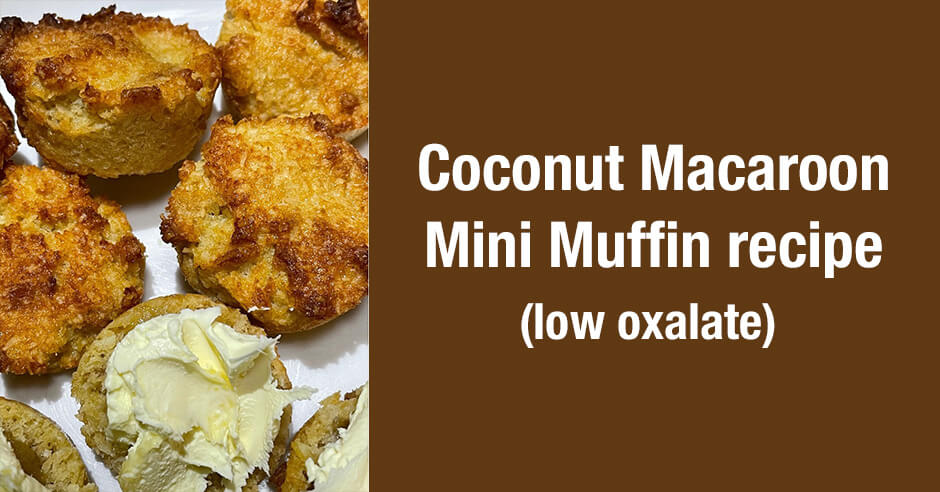
Coconut Macaroon Mini Muffin recipe (low oxalate)

January 20, 2023 By Trudy Scott 18 Comments

coconut macaroon mini muffin

If you have dietary oxalate issues (pain, anxiety, insomnia, restless legs, hearing loss, eye issues, unresolved thyroid issues, bladder issues and more) and yet really miss the occasional muffin this Coconut Macaroon Mini Muffin recipe is a delicious low oxalate option. I see way too many so-called healthy gluten-free recipes that use almond flour and it’s concerning given that almonds are high oxalate foods. If you’re new to the dietary oxalate issues you can read more about this below. I’m finding it to be underappreciated as an issue especially in menopausal women when symptoms seem to be more severe in susceptible individuals. I have also found that using almond flour in baking affects your zinc/copper balance, increasing copper and hence causing more anxiety and even panic attacks.

If you don’t have dietary oxalate issues, you can certainly enjoy this recipe too. The addition of flaked coconut does make it similar to macaroons.

Coconut Macaroon Mini Muffin recipe (a low oxalate option)

Ingredients

1/2 cup melted butter
1/2 cup coconut sugar
4 eggs
1/2 teaspoon vanilla
1/2 cup sifted coconut flour
2 cups coconut flakes

Method

Melt the butter over low heat and add the coconut sugar. Once it’s cooled add the eggs and vanilla. Stir in the coconut flour and coconut flakes.

Spoon the mixture into a greased mini muffin pan. Bake at 375 degrees F/ 190 degrees C for 18 – 20 minutes. The muffins don’t rise at all but will start to turn golden brown. Remove and cool on a cooking rack. Makes 12 mini muffins.

Eat warm or when cooled. Serve with butter and/or cream and/or coconut butter. For a little added sweetness a small amount of raw honey can be spread on a muffin too.

coconut macaroon muffins

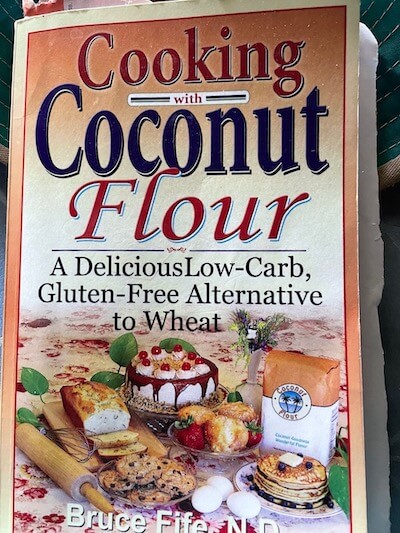
I adapted this recipe from the Coconut Butter Cookies recipe in “Cooking with Coconut Flour” by Bruce Fife ND. I pretty much always do this when I cook – adapt recipes to my needs and likes – and always reduce the sugar. In this instance, I halved the sugar and used coconut sugar.

The original recipe does have a reduced sugar option suggesting using ½ cup of sugar and adding ¼ teaspoon stevia. I’d find this too sweet.

I decided to cook them in mini muffin pans instead of making cookies on a baking tray but you could always try this option. Use the same temperature and cooking time per the original recipe.

They were a little dry (next time I’ll use a little extra butter in the recipe) but eating them with butter and/or cream made them delicious. I tried both – I always like to include some healthy fats. If dairy isn’t tolerated, coconut cream could be substituted. I suspect coconut oil could be substituted for the melted butter but have not tried it.

cooking with coconut flour

Here is “Cooking with Coconut Flour” by Bruce Fife ND. You can find it on Amazon here (my link). I’ve baked a number of recipes from this book and I’m impressed. I really appreciate that it’s all coconut flour recipes with no almond flour or other gluten-free flours used.

It’s ideal to keep baked goods – especially the ones shown on the cover of this book – to a minimum. But for an occasional treat this recipe book is excellent.

If you’re new to dietary oxalates as a possible issue

This blog post is a helpful one to start with if you’re new to dietary oxalates and the issues they can cause: Oxalate crystal disease, dietary oxalates and pain: the research & questions

These are the common medium-oxalate and high-oxalate foods that many folks have problems with: nuts, nut-butters and nut-flour (especially baking with almond flour and something to watch when eating Paleo or GAPS), wheat, chocolate, kiwi fruit (very high – see the raphides image on the above blog), star fruit (also very high), beets, potatoes, sweet potatoes, legumes, raspberries, spinach and soy.

In the above blog post, I share an overview of oxalates, my pain issues with dietary oxalates (severe foot pain and eye pain), and deeper dive into the condition called oxalate crystal disease (with some of my insights and questions).

The big take-aways are that calcium oxalate crystals are sharp and can cause far reaching harm beyond pain – such as unresolved anxiety, thyroid issues, neurological symptoms, eye issues, hearing loss, bladder issues, headaches, fatigue, insomnia, restless legs, autism symptoms and more. You can have issues with dietary oxalates and not have kidney disease/kidney stones, although there is very little research supporting the latter.

You may find these oxalate blogs helpful too:

  • Increased kidney stones in postmenopausal women with lower estradiol levels. What about increased dietary oxalate issues too?
  • Waking in the night due to environmental toxins: impacts on the liver, gallbladder and fat digestion (making oxalate issues worse)
  • Butternut Bake recipe (a low oxalate alternative to Potato Bake)

What dietary oxalates issues have you experienced and has a low oxalate diet helped you?

Do let us know if you make this recipe and enjoy it.

Feel free to share a favorite recipe of something you’ve adapted to be low or even medium oxalate.

If you have questions and feedback please share them here too.

Filed Under: Anxiety, Oxalates, Recipes Tagged With: almond flour, anxiety, bladder issues, coconut, coconut flour, Coconut Macaroon Mini Muffin recipe, copper, dietary oxalate issues, eye issues, gluten-free recipes, hearing loss, insomnia, Low oxalate, menopausal, oxalate, pain, panic attacks, restless legs, unresolved thyroid issues, zinc

Spicy Cauliflower Zucchini Coconut Soup Recipe

January 18, 2019 By Trudy Scott 10 Comments

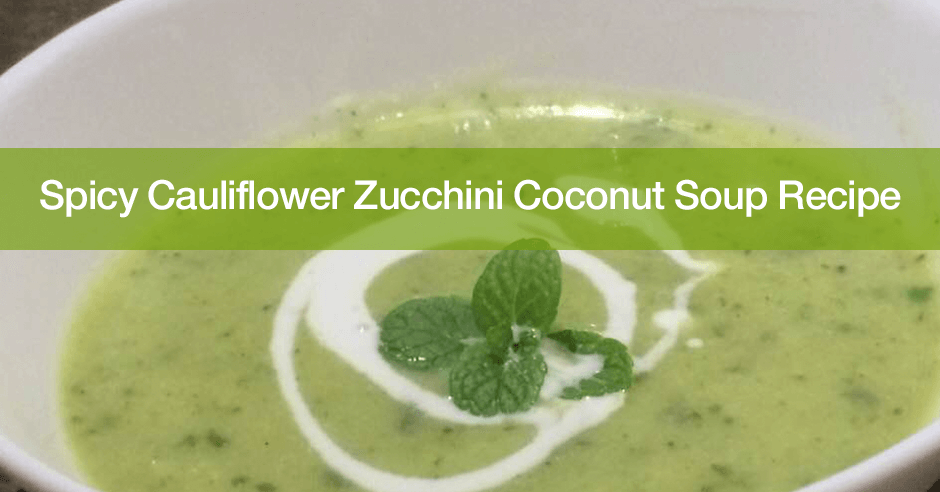
This recipe – Spicy Cauliflower Zucchini Coconut Soup – is my new favorite because it’s nutrient-dense, creamy (because of the cauliflower), lasts well in the fridge for a few days, freezes well, and is oh so yummy!

I tend to create my own recipes after being inspired by a recipe in a book, blog or eating something similar. I knew I wanted something creamy and went searching and found this recipe – Zucchini Soup with Fresh Mint – in The Complete Gut Health Cookbook by Pete Evans and Helen Padarin (on page 147 in case you have this book or end up buying a copy. It’s a great book by the way!).

The beautiful green color caught my eye. Cauliflower is one of my favorite vegetables and I had never made a soup with cauliflower before! Pete and Helen’s recipe calls for 2 handfuls of spinach leaves which are problematic for with my oxalate issues so I improvised with bok choy. The end result is not quite a green but it’s still pretty and is really delicious.

I also LOVE all things coconut and can’t resist adding coconut milk to soups for the added creaminess and to provide a good healthy fat. And with that coconut I just had to add some Indian spices for all the goodness and flavor they offer. I’m a mild spicy kind of girl so it’s not too hot. If oxalates are an issue for you reduce the quantities of the higher oxalate spices or leave them out (more on this below the recipe). Here’s the end result:

Spicy Cauliflower Zucchini Coconut Soup (serves 12)

6 large zucchini (or courgette if you’re in the UK or South Africa)
1 large cauliflower
2 large bunches of bok choy
Approx 16 cups /3.5 liters/4 quarts of liquid (home-made chicken broth and enough filtered water to cover the vegetables, leaving room in the pot for the coconut milk)
1 can coconut milk 

Spices

1 tablespoon turmeric (extra high oxalates)

1 tablespoon cumin (very high oxalates)

1 teaspoon curry powder (very high oxalates)

1 tablespoon coriander (high oxalates)

1 tablespoon ginger (low oxalates)

½ tablespoon sea salt

¼ tablespoon black pepper

(this is a mild combination of spices; you could add more curry powder to make it more spicy)

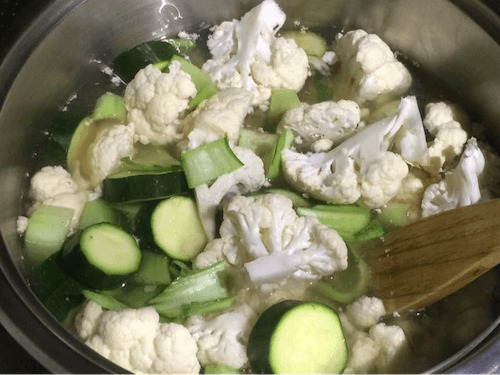
Chop the zucchini and cauliflower and add to the water in a large pot. Chop the white stalks of the bok choy and add to the water with zucchini and cauliflower. Reserve the green leaves of the bok choy and slice finely for later.

Bring to a boil, cover and simmer slowly for about 20 minutes until the vegetables are tender.

Open the can of coconut milk, reserving a few tablespoons for drizzling over the served soup. Pour the remainder into the soup pot, together with the spices and cook for a further minute, stirring to blend everything. Add the finely sliced green leaves of the bok choy and cook for a few more minutes.

Blend until smooth and add back to the pot to reheat. Serve with a drizzle of coconut milk.

Some other serving options:

  • add half a chopped avocado to the serving bowl (I like the chunks) and some MCT oil (for more of a keto-friendly soup and to help with blood sugar stability)
  • add chunks of cooked organic chicken or slices of cooked grass-fed beef
  • or simply serve before the main meal

Enjoy!

The pot should be almost full of liquid and vegetables

The blended soup can be stored in the fridge for a few days and re-heated for lunches and dinner (in a pot and not the microwave), or even enjoyed cold. Be sure to store in glass or pyrex containers.

It also freezes well (and again, use glass or pyrex). When you’re ready to use it, either thaw ahead of time or place the frozen glass/pyrex container in warm water for a few minutes in the sink. This thaws the edges just enough so it’s easy to tip the frozen soup into a pot to finish thawing and reheat. Use low heat while it’s thawing in the pot.

If you have food challenges with oxalates, autoimmune triggers or SIBO:

1) It’s low oxalate with the bok choy instead of spinach but you could use could use 2 cups of baby spinach if oxalates are not an issue.

Per the spreadsheet in the TryingLowOxalates facebook group  run by Susan Owens, a biomedical researcher and the founder of the Autism Oxalate Project, the spices above add up to about 20-24g of oxalates.

  • turmeric (extra high oxalates)
  • cumin (very high oxalates)
  • curry powder (very high oxalates)
  • coriander (high oxalates)
  • ginger (low oxalates)

As I mention above, if you have a problem with oxalates you may need to reduce the quantities of the higher oxalate spices or use more magnesium citrate or calcium citrate with this meal.

On a personal note, I’m very sensitive to oxalates (too much and I get really painful hot-coals-burning/shards-of- glass type pain in my feet and very scratchy eyes) and I seem to tolerate the above amounts of spices in a large soup like this, provided I’m not eating other high oxalate foods at the same time.

2) It’s AIP-friendly (Autoimmune Paleo)

3) It’s FODMAPS-friendly as is or feel free to add garlic and onion if tolerated

Let me know if this sounds yummy and ask away if you have any questions. If you make it be sure to come back and let us know how you enjoyed it. And let us know if you made your own variation.

Filed Under: Recipes Tagged With: bok choy, cauliflower, coconut, oxalates, recipe, soup, spicy, vegetable, zucchini

Carob Coconut Avocado bites

May 24, 2013 By Trudy Scott 15 Comments

carob-coconut-bites

¼ cup coconut oil
1 ripe avocado
1 T maple syrup
½ cup carob powder
Pinch sea salt
¾ cup coconut flakes (unsweetened)
¼ cup sesame seeds

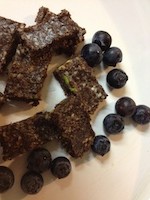
Melt the coconut oil on the stove. Remove avocado and mash. Mix in coconut oil and all the ingredients and stir well. Spoon into a glass pan and press flat. Put in the fridge until set and then cut into small bites or squares and serve with fresh blueberries. Yummy!

This recipe was inspired by a recipe of something served at the annual conference of the National Association of Nutrition Professionals. I replaced the cocoa and nibs with carob for those with caffeine issues (some people with anxiety are super-sensitive to the effects of caffeine, even that found in cocoa and chocolate). I also omitted the stevia because it spoils the taste of everything. And I added coconut flakes for crunch and sesame seeds for calcium. 

Funny thing….I love avocado! It’s possibly one of my favorite foods (together with eggs, Brussels sprouts, lamb, coconut and paw paw) and I was excited to try it out in this recipe. But it’s totally lost – no hint of avocado! It seems rather a waste! Do let me know what you think.

Filed Under: Food and mood, Real whole food, Recipes Tagged With: anxiety, avocado, carob, coconut, depression

Bite-sized carob heart recipe for Valentine’s Day

February 8, 2013 By Trudy Scott 11 Comments

carob-hearts

Enjoy this healthy treat for Valentine’s Day! Make your honey and the kids some of these yummy bite-sized carob hearts and you’ll all be smiling instead of feeling like you over-did it on the chocolates and candies.

  • 1 cup organic almonds, soaked
  • 1/3 cup pumpkin seeds, soaked
  • ½ cup organic dates
  • ½ cup organic raisins, soaked
  • ½ cup carob powder
  • ½ cup coconut oil
  • 4-5 teaspoons water from the soaked raisins

Soak almonds and pumpkin seeds overnight (or 4-6 hours) and then drain and rinse. Place raisins in a small bowl, cover with hot water for about 10 minutes. Save both the raisins and the raisin water in two separate bowls. In a food processor grind almonds and pumpkin seeds until fine. You can also use your blender and use the “grind” option.  Remove nuts/seeds from the food processor or blender and add dates, raisins, carob, coconut oil (first melt this on low heat on the stove) and vanilla.  Blend this well. Now transfer the nuts and fruit mix to a bowl and mix. Add 4-5 teaspoons of the raisin water, if necessary, until the mixture is the consistency of very thick cookie dough. Roll into 1 inch balls and then shape into bite-sized hearts. If you make these at another time of the year, just make them into bite-sized balls.

This recipe is thanks to Frances Holmes, one of my dear friends and a nutritionist colleague.  She used to make them for us when I worked in Julia Ross’ Recovery Systems Clinic in Mill Valley. Frances says: “Add pizzazz by rolling the balls in coconut, cinnamon, carob, toasted sesame seeds or any other tasty thing your little heart desires. You can also be creative and add flavored essential oils, or spices like cardamom as well.”  

Once they have been coated, chill for 2-4 hours in the refrigerator, or until the balls slightly harden. And Frances says “These little delightful bites freeze well too!”

I have modified the original recipe: I used half the carob powder and replaced 1/2 cup almonds with 1/2 cup pumpkin seeds.  Some optional additions: 1/3 cup whey protein powder; substitute some of the almonds with walnuts; add I T ginger to 1/3 of the batch; add ground mint leaves to 1/3 of the batch.

And here are some of the few healthy reasons for selecting these over store-bought candy:

  • Dates and raisins have health benefits like iron, fiber and are naturally sweet
  • Coconut oil is healthy fat that is delicious and helps offset the effects of the sugar in the dried fruit
  • Carob is a healthy magnesium-rich naturally caffeine-free alternative to cocoa and chocolate. The caffeine in chocolate affects some people and makes them anxious.  If you can eat chocolate do make sure it’s dark chocolate
  • Almonds  are a source of protein and fats and vitamin E
  • Pumpkin seeds are a good source of tryptophan and zinc (a functional food made from pumpkin seeds has been shown to help with social anxiety and insomnia).  You can read more about soaking and pumpkin seeds here
  • Sesame seeds are a great source of calcium and magnesium and add a delicious crunch
  • Coconut flakes add a delicious tropical flavor and crunch

Happy Valentine’s Day!

Filed Under: Food and mood, Joy and happiness, Recipes Tagged With: antianxiety food, carob treats, coconut, dates, heart, raisin, Valentine’s day

Primary Sidebar

NEW! GABA QuickStart Homestudy (with special intro pricing)

gaba quickstart homestudy

Free Report

9 Great Questions Women Ask about Food, Mood and their Health

You'll also receive a complimentary subscription to my ezine "Food, Mood and Gal Stuff"


Connect with me

Popular Posts

  • Amino Acids Mood Questionnaire from The Antianxiety Food Solution
  • The Antianxiety Food Solution Amino Acid and Pyroluria Supplements
  • Pyroluria Questionnaire from The Antianxiety Food Solution
  • Collagen and gelatin lower serotonin: does this increase your anxiety and depression?
  • Tryptophan for the worry-in-your-head and ruminating type of anxiety
  • GABA for the physical-tension and stiff-and-tense-muscles type of anxiety
  • The Antianxiety Food Solution by Trudy Scott
  • Seriphos Original Formula is back: the best product for anxiety and insomnia caused by high cortisol
  • Am I an anxious introvert because of low zinc and vitamin B6? My response to Huffington Post blog
  • Vagus nerve rehab with GABA, breathing, humming, gargling and key nutrients

Recent Posts

  • What do I use instead of Seriphos to help lower high cortisol that is affecting my sleep and making me anxious at night?
  • BeSerene™ GABA/theanine cream eases severe muscle tension in her neck/shoulders, prevents her bad headaches and quells her anxiety
  • How the correct approach, dose and sublingual use of GABA can be calming and not cause a flushed and itchy face and neck
  • The amino acid glutamine improves low mood by addressing gut health, and it has calming effects too
  • Flight anxiety with heightened breath, physical tension and also fearing the worst (the role of low GABA and low serotonin)

Categories

  • 5-HTP
  • AB575
  • Addiction
  • ADHD
  • Adrenals
  • Alcohol
  • Allergies
  • Alzheimer's disease
  • Amino Acids
  • Anger
  • Antianxiety
  • Antianxiety Food Solution
  • Antidepressants
  • Anxiety
  • Anxiety and panic
  • Autism
  • Autoimmunity
  • benzodiazapines
  • Bipolar disorder
  • Books
  • Caffeine
  • Cancer
  • Candida
  • Children/Teens
  • Collagen
  • Cooking equipment
  • Coronavirus/COVID-19
  • Cravings
  • Depression
  • Detoxification
  • Diabetes
  • Diet
  • DPA/DLPA
  • Drugs
  • EFT/Tapping
  • EMF
  • EMFs
  • Emotional Eating
  • Endorphins
  • Environment
  • Essential oils
  • Events
  • Exercise
  • Fear
  • Fear of public speaking
  • Fertility and Pregnancy
  • Fish
  • Food
  • Food and mood
  • Functional neurology
  • GABA
  • Gene polymorphisms
  • General Health
  • Giving
  • Giving back
  • Glutamine
  • Gluten
  • GMOs
  • Gratitude
  • Gut health
  • Heart health/hypertension
  • Histamine
  • Hormone
  • Hyperparathyroidism
  • Hypoglycemia
  • Immune system
  • Inflammation
  • Insomnia
  • Inspiration
  • Introversion
  • Joy and happiness
  • Ketogenic diet
  • Lithium orotate
  • Looking awesome
  • Lyme disease and co-infections
  • MCAS/histamine
  • Medication
  • Men's health
  • Mental health
  • Mercury
  • Migraine
  • Mold
  • Movie
  • MTHFR
  • Multiple sclerosis
  • Music
  • NANP
  • Nature
  • Nutritional Psychiatry
  • OCD
  • Osteoporosis
  • Oxalates
  • Oxytocin
  • Pain
  • Paleo
  • Parasites
  • Parkinson’s disease
  • PCOS
  • People
  • PMS
  • Postpartum
  • PTSD/Trauma
  • Pyroluria
  • Questionnaires
  • Real whole food
  • Recipes
  • Research
  • Schizophrenia
  • serotonin
  • SIBO
  • Sleep
  • Special diets
  • Sports nutrition
  • Stress
  • Sugar addiction
  • Sugar and mood
  • Supplements
  • Teens
  • Testimonials
  • Testing
  • The Anxiety Summit
  • The Anxiety Summit 2
  • The Anxiety Summit 3
  • The Anxiety Summit 4
  • The Anxiety Summit 5
  • The Anxiety Summit 6
  • Thyroid
  • Thyroid health
  • Toxins
  • Tryptophan
  • Tyrosine
  • Uncategorized
  • Vegan/vegetarian
  • Women's health
  • Yoga

Archives

  • October 2025
  • September 2025
  • August 2025
  • July 2025
  • June 2025
  • May 2025
  • April 2025
  • March 2025
  • February 2025
  • January 2025
  • November 2024
  • October 2024
  • September 2024
  • August 2024
  • July 2024
  • June 2024
  • May 2024
  • April 2024
  • March 2024
  • February 2024
  • January 2024
  • December 2023
  • November 2023
  • October 2023
  • September 2023
  • August 2023
  • July 2023
  • June 2023
  • May 2023
  • April 2023
  • March 2023
  • February 2023
  • January 2023
  • December 2022
  • November 2022
  • October 2022
  • September 2022
  • August 2022
  • July 2022
  • June 2022
  • May 2022
  • April 2022
  • March 2022
  • February 2022
  • January 2022
  • December 2021
  • November 2021
  • October 2021
  • September 2021
  • August 2021
  • July 2021
  • June 2021
  • May 2021
  • April 2021
  • March 2021
  • February 2021
  • January 2021
  • December 2020
  • November 2020
  • October 2020
  • September 2020
  • August 2020
  • July 2020
  • June 2020
  • May 2020
  • April 2020
  • March 2020
  • February 2020
  • January 2020
  • December 2019
  • November 2019
  • October 2019
  • September 2019
  • August 2019
  • July 2019
  • June 2019
  • May 2019
  • April 2019
  • March 2019
  • February 2019
  • January 2019
  • December 2018
  • November 2018
  • October 2018
  • September 2018
  • August 2018
  • July 2018
  • June 2018
  • May 2018
  • April 2018
  • March 2018
  • February 2018
  • January 2018
  • December 2017
  • November 2017
  • October 2017
  • September 2017
  • August 2017
  • July 2017
  • June 2017
  • May 2017
  • April 2017
  • March 2017
  • February 2017
  • January 2017
  • December 2016
  • November 2016
  • October 2016
  • September 2016
  • August 2016
  • July 2016
  • June 2016
  • May 2016
  • April 2016
  • March 2016
  • February 2016
  • January 2016
  • December 2015
  • November 2015
  • October 2015
  • September 2015
  • August 2015
  • July 2015
  • June 2015
  • May 2015
  • April 2015
  • March 2015
  • February 2015
  • January 2015
  • December 2014
  • November 2014
  • October 2014
  • September 2014
  • August 2014
  • July 2014
  • June 2014
  • May 2014
  • April 2014
  • March 2014
  • February 2014
  • January 2014
  • December 2013
  • November 2013
  • October 2013
  • September 2013
  • August 2013
  • July 2013
  • June 2013
  • May 2013
  • April 2013
  • March 2013
  • February 2013
  • January 2013
  • December 2012
  • November 2012
  • October 2012
  • August 2012
  • July 2012
  • June 2012
  • May 2012
  • April 2012
  • March 2012
  • February 2012
  • January 2012
  • December 2011
  • November 2011
  • October 2011
  • September 2011
  • August 2011
  • July 2011
  • June 2011
  • May 2011
  • April 2011
  • March 2011
  • February 2011
  • January 2011
  • December 2010
  • October 2010
  • September 2010
  • July 2010
  • May 2010
  • April 2010
  • March 2010
  • February 2010
  • January 2010
  • November 2009

Share the knowledge!

The above statements have not been evaluated by the Food and Drug Administration. Products listed in this website are not intended to diagnose, treat, cure or prevent any disease.

The information provided on this site is for informational and educational purposes only and is not intended as a substitute for advice from your physician or other health care professional. You should consult with a healthcare professional before starting or modifying any diet, exercise, or supplementation program, before taking or stopping any medication, or if you have or suspect you may have a health problem.


Copyright © 2026 Trudy Scott. All Rights Reserved. | Privacy | Terms and Conditions | Refund Policy | Medical Disclaimer

Free Report

9 Great Questions Women Ask about Food, Mood and their Health

You’ll also receive a complimentary subscription to my ezine “Food, Mood and Gal Stuff”