• Skip to primary navigation
  • Skip to main content
  • Skip to primary sidebar

everywomanover29 blog

Food, Mood and Women's Health – Be your healthiest, look and feel great!

  • Blog
  • About
  • Services
  • Store
  • Resources
  • Testimonials
  • The Book
  • Contact
  • Search this site

Hypoglycemia

Reactive hypoglycemia in binge eating disorder, food addiction and intense sugar cravings, and how glutamine stops the cravings

February 9, 2024 By Trudy Scott 6 Comments

reactive hypoglycemia

A number of years ago a woman came to see me looking for help for her anxiety, insomnia and out of control sugar cravings which she described as an “almost demonic urge  to eat sugar and all things sweet.”

Before working with me she had been trying to control her low blood sugar levels (or hypoglycemia) by eating the right foods at the right times i.e. healthy fats and quality protein especially at breakfast. But this wasn’t enough to eliminate her intense sweet cravings. She would make and eat sweet treats all day long, using “healthier” sweeteners like monk fruit and maple syrup.

I had her complete the brain chemistry symptoms questionnaire and she scored high on all the low blood sugar symptoms as well as low GABA and low serotonin. We focused on low blood sugar first and the solution for her cravings was using 500 mg of glutamine opened onto her tongue.

Initially she was sure this would NOT work – how would she possibly be able to use glutamine in the midst of experiencing reactive hypoglycemia or low blood sugar?

I had the same conversation  that  I have with all my clients who would obviously rather eat something sweet than open a glutamine capsule onto  their tongue: “If you have an intense craving for something sweet, tell yourself that  you’re  going to  indulge, but also humor your nutritionist and take the glutamine anyway. You may be surprised to find your urge completely disappears.”

She did that and it worked time and time again, ending her demonic urge to eat something sweet every time and very quickly. And it helped her with all her low blood sugar symptoms.

This blog addresses the role of low blood sugar or reactive hypoglycemia in intense sugar cravings, binge eating disorder and food addiction, and how glutamine helps.

Research: Reactive hypoglycemia in binge eating disorder and food addiction

The 2023 paper, Reactive hypoglycemia in binge eating disorder, food addiction, and the comorbid phenotype: unravelling the metabolic drive to disordered eating behaviours, highlights the fact that “impaired metabolic response” such as fasting blood glucose fluctuations are a factor in binge eating and food addiction, driving out of control and “repetitive consumption of highly processed food.”

The researchers “investigated hypoglycemia events during a 5-hour-long oral glucose tolerance test” in 200 participants and “the association between the severity of eating psychopathology and the variability in hypoglycemia events was explored.”

The authors conclude as follows:

People with binge eating disorder/BED or food addiction/FA are prone to experiencing reactive hypoglycemia; food addiction severity may predict early and symptomatic hypoglycemia events. This can further reinforce disordered eating behaviours by promoting addictive responses, both biologically and behaviourally.

You can read the study here.

It’s worth noting that the participants did not have diabetes. I mention this because most of the reactive hypoglycemia research looks at diabetic patients. Reactive hypoglycemia in the non-diabetic population is considered controversial even amongst functional medicine and/or integrative practitioners. This paper stands out for this reason.

It’s also recently published which makes me excited. This research is confirming what we see clinically.

This research is very much in line with the demonic urge my client described, and directly tied to her low blood sugar and blood sugar swings. My client did not do a 5 hour oral glucose tolerance test. Instead we used the low blood sugar symptoms questionnaire (see below) and a trial of glutamine.

My client was also not diagnosed with binge eating disorder or food addiction but didn’t have to be for us to recognize the issue and have her benefit from nutritional support in the way of glutamine and learning to eat for blood sugar stability.

Unfortunately the authors do not discuss glutamine as a solution in this particular paper or in any other research on human participants who are non-diabetic. There are a few animal diabetes studies, with this 2013 study reporting that “glutamine was more effective in promoting glycemia recovery if compared with glucose, lactate, glycerol, or alanine.”  The authors call for further investigations which I look forward to reading.

Low blood sugar symptoms and a glutamine trial

As a reminder here are the signs of low blood sugar:

Sugar cravings, binge eating and addiction symptoms:

  • Crave sugar, starch or alcohol any time during the day
  • Very intense cravings for sweets/sugar
  • Binge eating and/or food addiction (updated with this based on this research)

There are also anxiety, mood, sleep and energy symptoms when you have low blood sugar:

  • Nervous, anxious, panic attacks
  • Irritable, shaky, headachey – especially if you go too long between meals
  • Lightheaded if meals are missed
  • Agitated, easily upset
  • Eating relieves fatigue
  • Waking in the night or early hours with a jolt of anxiety/shakiness (I blogged about this here)

As I mention in the waking with a jolt/low blood sugar blog the good news is it’s relatively easy to figure out if low blood sugar is causing your symptoms. First I have clients rate their symptoms on the low blood sugar questionnaire and do a trial of glutamine. Next is figuring out the dosing and timing of glutamine, looking at a current food log and making dietary changes as needed.

Glutamine is always best opened on to the tongue but it must be used this way for stopping the intense sugar cravings quickly – as in immediately. It’s also used away from meals like all the amino acids.

If you notice improvements it’s very likely that reactive hypoglycemia or low blood sugar is a factor.

Glutamine for low blood sugar cravings: dosing and timing

As I share in my book and other blog posts, typically 500 mg glutamine is a good starting dose for intense cravings for sugary foods. We may increase based on individual needs and you may find you do need to use 500 mg -1000 mg two to three times a day when the intense desire for something sweet strikes – as blood sugar dips. Using a glutamine powder is a great way to use it especially if you find you do need more than 500 mg each time.

As I mentioned above when you use glutamine powder directly on the tongue (rather than mixed in water), the benefits are seen almost immediately and even if you don’t believe it could possibly work – like my client – your desire for sugar disappears.

GABA and serotonin support too

My client also needed GABA and serotonin support for her anxiety and sleep issues. Again, we used the low GABA and low serotonin symptoms questionnaire and did trials of GABA and tryptophan for her which helped further.

Sugar cravings and binge eating with other neurotransmitter imbalances too

Keep in mind that there is a sugar cravings aspect to all the neurotransmitter imbalances. The type of craving can be found on the above symptoms questionnaire. It’s not uncommon to need support more than one area:

  • Low blood sugar /hypoglycemia – glutamine for intense cravings at any time of the day
  • Low serotonin – tryptophan or 5-HTP for afternoon/evening cravings
  • Low endorphins – DPA for comfort/reward eating
  • Low catecholamines – tyrosine for low energy sugar cravings
  • Low GABA – GABA for stress eating

You can read more about this here: The individual amino acids glutamine, GABA, tryptophan (or 5-HTP), DPA and tyrosine are powerful for eliminating sugar cravings, often within 5 minutes 

Glutamine product options – capsule vs powder
l-glutamine
l-glutamine

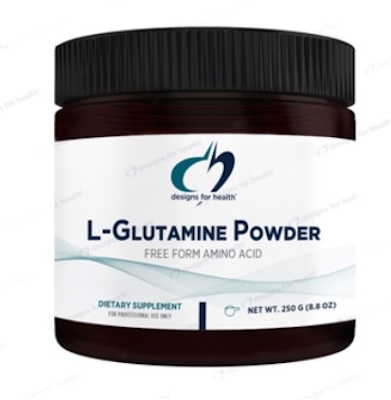
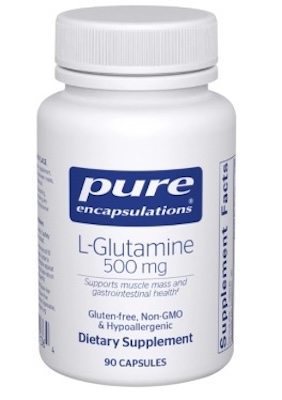
Products I recommend include Pure Encapsulations 500 mg l-glutamine (capsules opened on to your tongue) and Designs for Health l-glutamine powder as you find you need higher amounts.  You can purchase these from my online store (Fullscript – only available to US customers – use this link to set up an account).
l-glutamine
l-glutamine

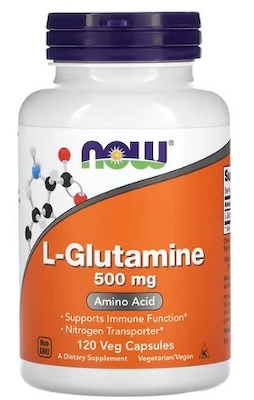
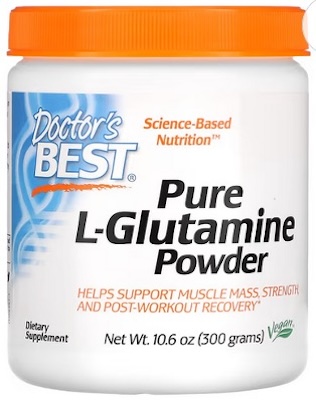
If you’re not in the US, Now l-glutamine 500 mg and Doctor’s best l-glutamine powder are products I recommend on iherb (use this link to save 5%).

Additional resources when you are new to using glutamine and other amino acids as supplements

We use the symptoms questionnaire to figure out if low blood sugar and/or low serotonin and/or low GABA and other neurotransmitter imbalances may be an issue for you.

If you suspect low levels of any of the neurotransmitters and do not yet have my book, The Antianxiety Food Solution – How the Foods You Eat Can Help You Calm Your Anxious Mind, Improve Your Mood, and End Cravings, I highly recommend getting it and reading it before jumping in and using amino acids on your own so you are knowledgeable. And be sure to share it with the practitioner/health team you or your loved one is working with.

There is an entire chapter on the amino acids and they are discussed throughout the book in the sections on gut health, gluten, blood sugar control (this is covered in an entire chapter too), sugar cravings, anxiety and mood issues. The importance of quality animal protein and healthy fats is also covered.

The book doesn’t include product names (per the publisher’s request) so this blog, The Antianxiety Food Solution Amino Acid and Pyroluria Supplements, lists the amino acids that I use with my individual clients and those in my group programs.

If, after reading this blog and my book, you don’t feel comfortable figuring things out on your own (i.e. doing the symptoms questionnaire and respective amino acids trials), a good place to get help is the GABA QuickStart Program (if you have low GABA symptoms too). This is a paid online/virtual group program where you get my guidance and community support.

If you are a practitioner, join us in The Balancing Neurotransmitters: the Fundamentals program. This is also a paid online/virtual program with an opportunity to interact with me and other practitioners who are also using the amino acids.

Have you had success with glutamine for blood sugar stability and binge eating, food addiction and intense cravings for sugar and carbs?

Have you also found it helps with sleep, leaky gut and anxiety during the day?

If yes, how much helps you? And how often do you use it? And what sugary foods have you been able to stop eating?

If you’re a practitioner do you use glutamine and with clients/patients with these low blood sugar cravings? Do you recognize reactive hypoglycemia as a very real issue in non-diabetics?

And please let me know if it’s helpful that I’m now including product recommendations and where to get them?

Feel free to share and ask your questions below.
Filed Under: Addiction, Anxiety and panic, Cravings, Glutamine, Hypoglycemia Tagged With: addiction, anxiety, binge, binge eating, carb craving, dosage, GABA Quickstart; Balancing Neurotransmitters: the Fundamentals program for practitioners, glutamine, Hypoglycemia, insomnia, low blood sugar, neurotransmitters, reactive hypoglycemia, sugar craving, Timing

Glutamine for hypoglycemia/low blood sugar: “500mg mixed in water works in 15 minutes and keeps me going for 2 – 3 hours”

November 3, 2023 By Trudy Scott 27 Comments

glutamine and hypoglycemia

Cat shared this feedback about how effective just 500mg of glutamine is for her low blood sugar and how quickly it helps:

I recently followed one of your posts on GABA down the rabbit hole to a linked blog post and then to another post where I found a mention of using glutamine for hypoglycemia. This is the only reference that I have read on this in 35 years of research on the subject. I follow a low carb, higher protein, healthy fat diet, but still suffer low blood sugar issues consistently at one particular time of the day. After so many years of eating a second breakfast to prevent the lows, I was ready to give any other healthy option a try.

It works!!! I found a powder that I mix approximately 500 mg of with water. It works within about 15 minutes and keeps me going for about 2 – 3 hours — long enough to reach a reasonable time for lunch.

I’m thrilled to have this option as anytime that I travel, low blood sugar becomes a huge issue as I suffer from ketotic hypoglycemia and end up with massive headaches and vomiting for 6-8 hours.

You have freed me from a huge weight! Thank you and hugs!

(And thank you for researching and sharing the tremendously helpful information in your books, webinar presentations and blogs.)

Thank you Cat for sharing your success and you are most welcome! I’m sharing this as a blog post because you may also be new to this.

Glutamine dosing, using powder vs capsules and using it on the tongue

Cat finds 500 mg glutamine works well for her unique needs. This is a good starting dose. I see many folks start too high, like 5000 mg / 5 g and up multiple times a day, and it’s not necessary. However, we increase based on individual needs and you may find you do need to use 500 mg -1000 mg two to three times a day.

Using a glutamine powder is a great way to use it especially if you find you do need more than 500 mg each time.

One thing I mentioned to Cat is when you use glutamine powder directly on to the tongue (rather than mixed in water), the benefits are seen more quickly i.e. right away rather than having to wait 15 minutes.

If you do start with glutamine capsules, be sure to open the capsule on the tongue too, But watch for fillers which can be irritating to some folks. Powders are typically glutamine-only and don’t taste bad at all. But when traveling, capsules may be a better option (at least when on a plane).

Ketotic hypoglycemia, adrenal dysfunction and breakfast

Ketotic Hypoglycemia International defines ketotic hypoglycemia as “a condition characterized by low blood sugar (glucose) and elevated ketones, typically occurring after fasting, like sleeping overnight. Ketotic hypoglycemia (KH) is not a disease itself but rather a symptom or a clinical presentation that can occur as a result of various underlying conditions.” I’ve asked Cat if she is aware as to what is causing her ketotic hypoglycemia and I’ll report back.

I have also asked if she has had salivary cortisol testing done as adrenal dysfunction plays a role in all types of low blood sugar and will need to be addressed. This can take awhile to test and figure out nutritional support. Until then, glutamine is wonderful for preventing low blood sugar episodes.

I’m also curious what her breakfasts look like and will update the blog when I find out. Cat does mention that she follows “a low carb, higher protein, healthy fat diet” so I assume her first breakfast is a good one. But it’s always something to confirm.  As you can see on this blog, Anxiety and Hypoglycemia Symptoms Improve with Diet Modification, a healthy breakfast is key for blood sugar stability and preventing anxiety.

Low blood sugar symptoms and all the ways glutamine may help

This is the blog she commented on: Glutamine for calming, intense sugar cravings, gut healing and low blood sugar

I share all the symptoms we see with low blood sugar:

  • Crave sugar, starch or alcohol any time during the day
  • Irritable, shaky, headachey – especially if going too long between meals
  • Intense cravings for sweets
  • Lightheaded if meals are missed
  • Eating relieves fatigue
  • Agitated, easily upset
  • Nervous, anxious, panic attacks

As you can see, in addition to helping with low blood sugar symptoms, glutamine has calming properties (low blood sugar can also cause anxiety and panic attacks), helps reduce intense sugar cravings (sometimes described as a demonic urge to eat all things sweet and also helps with healing a leaky gut. Be sure to read these two blogs I’ve linked to above.

Glutamine has also been researched to help with addiction recovery. In this blog, An amino acid supplement with DLPA, glutamine and 5-HTP eases alcohol withdrawal symptoms at an inpatient detoxification program, glutamine is paired with two other amino acids.

Resources if you are new to using glutamine and other amino acids as supplements

We use the symptoms questionnaire to figure out if low blood sugar may be an issue for you.

If you suspect blood sugar or low levels of any of the neurotransmitters and do not yet have my book, The Antianxiety Food Solution – How the Foods You Eat Can Help You Calm Your Anxious Mind, Improve Your Mood, and End Cravings, I highly recommend getting it and reading it before jumping in and using amino acids on your own so you are knowledgeable. And be sure to share it with the practitioner/health team you or your loved one is working with.

There is an entire chapter on the amino acids and they are discussed throughout the book in the sections on gut health, gluten, blood sugar control (this topic has an entire chapter), sugar cravings, anxiety and mood issues.

The book doesn’t include product names (per the publisher’s request) so this blog, The Antianxiety Food Solution Amino Acid and Pyroluria Supplements, lists the amino acids that I use with my individual clients and those in my group programs. You can find them all in my online store.

If, after reading this blog and my book, you don’t feel comfortable figuring things out on your own (i.e. doing the symptoms questionnaire and respective amino acids trials), a good place to get help is the GABA QuickStart Program (if you have low GABA symptoms too). This is a paid online/virtual group program where you get my guidance and community support.

If you are a practitioner, join us in The Balancing Neurotransmitters: the Fundamentals program. This is also a paid online/virtual program with an opportunity to interact with me and other practitioners who are also using the amino acids.

I really appreciate Cat for sharing her story and giving me permission to share as a blog.

Has glutamine helped you with low blood sugar/hypoglycemia? If yes, in what way has it helped – reduced anxiety, less sugar cravings (or other addictions), and not as irritable and cranky/angry?

And how much helps and how quickly? Are you using it on the tongue?

Has glutamine  also helped with leaky gut?

If you’re a practitioner are you using glutamine this way with your clients/patients?

Feel free to share and ask your questions below.

Filed Under: Anger, Anxiety, Cravings, Glutamine, Hypoglycemia Tagged With: addictions, adrenal dysfunction, amino acids, anxiety, breakfast, capsules, cravings, GABA, GABA Quickstart; Balancing Neurotransmitters: the Fundamentals program for practitioners, glutamine, Headaches, Hypoglycemia, irritability, ketotic hypoglycemia, leaky gut, low blood sugar, low carb, on the tongue, powder, vomiting

Primary Sidebar

NEW! GABA QuickStart Homestudy (with special intro pricing)

gaba quickstart homestudy

Free Report

9 Great Questions Women Ask about Food, Mood and their Health

You'll also receive a complimentary subscription to my ezine "Food, Mood and Gal Stuff"


Connect with me

Popular Posts

  • Amino Acids Mood Questionnaire from The Antianxiety Food Solution
  • The Antianxiety Food Solution Amino Acid and Pyroluria Supplements
  • Pyroluria Questionnaire from The Antianxiety Food Solution
  • Collagen and gelatin lower serotonin: does this increase your anxiety and depression?
  • Tryptophan for the worry-in-your-head and ruminating type of anxiety
  • GABA for the physical-tension and stiff-and-tense-muscles type of anxiety
  • The Antianxiety Food Solution by Trudy Scott
  • Seriphos Original Formula is back: the best product for anxiety and insomnia caused by high cortisol
  • Am I an anxious introvert because of low zinc and vitamin B6? My response to Huffington Post blog
  • Vagus nerve rehab with GABA, breathing, humming, gargling and key nutrients

Recent Posts

  • What do I use instead of Seriphos to help lower high cortisol that is affecting my sleep and making me anxious at night?
  • BeSerene™ GABA/theanine cream eases severe muscle tension in her neck/shoulders, prevents her bad headaches and quells her anxiety
  • How the correct approach, dose and sublingual use of GABA can be calming and not cause a flushed and itchy face and neck
  • The amino acid glutamine improves low mood by addressing gut health, and it has calming effects too
  • Flight anxiety with heightened breath, physical tension and also fearing the worst (the role of low GABA and low serotonin)

Categories

  • 5-HTP
  • AB575
  • Addiction
  • ADHD
  • Adrenals
  • Alcohol
  • Allergies
  • Alzheimer's disease
  • Amino Acids
  • Anger
  • Antianxiety
  • Antianxiety Food Solution
  • Antidepressants
  • Anxiety
  • Anxiety and panic
  • Autism
  • Autoimmunity
  • benzodiazapines
  • Bipolar disorder
  • Books
  • Caffeine
  • Cancer
  • Candida
  • Children/Teens
  • Collagen
  • Cooking equipment
  • Coronavirus/COVID-19
  • Cravings
  • Depression
  • Detoxification
  • Diabetes
  • Diet
  • DPA/DLPA
  • Drugs
  • EFT/Tapping
  • EMF
  • EMFs
  • Emotional Eating
  • Endorphins
  • Environment
  • Essential oils
  • Events
  • Exercise
  • Fear
  • Fear of public speaking
  • Fertility and Pregnancy
  • Fish
  • Food
  • Food and mood
  • Functional neurology
  • GABA
  • Gene polymorphisms
  • General Health
  • Giving
  • Giving back
  • Glutamine
  • Gluten
  • GMOs
  • Gratitude
  • Gut health
  • Heart health/hypertension
  • Histamine
  • Hormone
  • Hyperparathyroidism
  • Hypoglycemia
  • Immune system
  • Inflammation
  • Insomnia
  • Inspiration
  • Introversion
  • Joy and happiness
  • Ketogenic diet
  • Lithium orotate
  • Looking awesome
  • Lyme disease and co-infections
  • MCAS/histamine
  • Medication
  • Men's health
  • Mental health
  • Mercury
  • Migraine
  • Mold
  • Movie
  • MTHFR
  • Multiple sclerosis
  • Music
  • NANP
  • Nature
  • Nutritional Psychiatry
  • OCD
  • Osteoporosis
  • Oxalates
  • Oxytocin
  • Pain
  • Paleo
  • Parasites
  • Parkinson’s disease
  • PCOS
  • People
  • PMS
  • Postpartum
  • PTSD/Trauma
  • Pyroluria
  • Questionnaires
  • Real whole food
  • Recipes
  • Research
  • Schizophrenia
  • serotonin
  • SIBO
  • Sleep
  • Special diets
  • Sports nutrition
  • Stress
  • Sugar addiction
  • Sugar and mood
  • Supplements
  • Teens
  • Testimonials
  • Testing
  • The Anxiety Summit
  • The Anxiety Summit 2
  • The Anxiety Summit 3
  • The Anxiety Summit 4
  • The Anxiety Summit 5
  • The Anxiety Summit 6
  • Thyroid
  • Thyroid health
  • Toxins
  • Tryptophan
  • Tyrosine
  • Uncategorized
  • Vegan/vegetarian
  • Women's health
  • Yoga

Archives

  • October 2025
  • September 2025
  • August 2025
  • July 2025
  • June 2025
  • May 2025
  • April 2025
  • March 2025
  • February 2025
  • January 2025
  • November 2024
  • October 2024
  • September 2024
  • August 2024
  • July 2024
  • June 2024
  • May 2024
  • April 2024
  • March 2024
  • February 2024
  • January 2024
  • December 2023
  • November 2023
  • October 2023
  • September 2023
  • August 2023
  • July 2023
  • June 2023
  • May 2023
  • April 2023
  • March 2023
  • February 2023
  • January 2023
  • December 2022
  • November 2022
  • October 2022
  • September 2022
  • August 2022
  • July 2022
  • June 2022
  • May 2022
  • April 2022
  • March 2022
  • February 2022
  • January 2022
  • December 2021
  • November 2021
  • October 2021
  • September 2021
  • August 2021
  • July 2021
  • June 2021
  • May 2021
  • April 2021
  • March 2021
  • February 2021
  • January 2021
  • December 2020
  • November 2020
  • October 2020
  • September 2020
  • August 2020
  • July 2020
  • June 2020
  • May 2020
  • April 2020
  • March 2020
  • February 2020
  • January 2020
  • December 2019
  • November 2019
  • October 2019
  • September 2019
  • August 2019
  • July 2019
  • June 2019
  • May 2019
  • April 2019
  • March 2019
  • February 2019
  • January 2019
  • December 2018
  • November 2018
  • October 2018
  • September 2018
  • August 2018
  • July 2018
  • June 2018
  • May 2018
  • April 2018
  • March 2018
  • February 2018
  • January 2018
  • December 2017
  • November 2017
  • October 2017
  • September 2017
  • August 2017
  • July 2017
  • June 2017
  • May 2017
  • April 2017
  • March 2017
  • February 2017
  • January 2017
  • December 2016
  • November 2016
  • October 2016
  • September 2016
  • August 2016
  • July 2016
  • June 2016
  • May 2016
  • April 2016
  • March 2016
  • February 2016
  • January 2016
  • December 2015
  • November 2015
  • October 2015
  • September 2015
  • August 2015
  • July 2015
  • June 2015
  • May 2015
  • April 2015
  • March 2015
  • February 2015
  • January 2015
  • December 2014
  • November 2014
  • October 2014
  • September 2014
  • August 2014
  • July 2014
  • June 2014
  • May 2014
  • April 2014
  • March 2014
  • February 2014
  • January 2014
  • December 2013
  • November 2013
  • October 2013
  • September 2013
  • August 2013
  • July 2013
  • June 2013
  • May 2013
  • April 2013
  • March 2013
  • February 2013
  • January 2013
  • December 2012
  • November 2012
  • October 2012
  • August 2012
  • July 2012
  • June 2012
  • May 2012
  • April 2012
  • March 2012
  • February 2012
  • January 2012
  • December 2011
  • November 2011
  • October 2011
  • September 2011
  • August 2011
  • July 2011
  • June 2011
  • May 2011
  • April 2011
  • March 2011
  • February 2011
  • January 2011
  • December 2010
  • October 2010
  • September 2010
  • July 2010
  • May 2010
  • April 2010
  • March 2010
  • February 2010
  • January 2010
  • November 2009

Share the knowledge!

The above statements have not been evaluated by the Food and Drug Administration. Products listed in this website are not intended to diagnose, treat, cure or prevent any disease.

The information provided on this site is for informational and educational purposes only and is not intended as a substitute for advice from your physician or other health care professional. You should consult with a healthcare professional before starting or modifying any diet, exercise, or supplementation program, before taking or stopping any medication, or if you have or suspect you may have a health problem.


Copyright © 2026 Trudy Scott. All Rights Reserved. | Privacy | Terms and Conditions | Refund Policy | Medical Disclaimer

Free Report

9 Great Questions Women Ask about Food, Mood and their Health

You’ll also receive a complimentary subscription to my ezine “Food, Mood and Gal Stuff”