• Skip to primary navigation
  • Skip to main content
  • Skip to primary sidebar

everywomanover29 blog

Food, Mood and Women's Health – Be your healthiest, look and feel great!

  • Blog
  • About
  • Services
  • Store
  • Resources
  • Testimonials
  • The Book
  • Contact
  • Search this site

steven masley

Recommended gut-brain books as holiday gifts for you or a loved one

December 6, 2019 By Trudy Scott 1 Comment

gut brain books

With one of the post Anxiety Summit: Gut-Brain objectives of sharing additional reading resources and with the holidays right around the corner this is perfect timing for my holiday book blog and all books gut-brain related. Read on below for book excerpts from these books, some of which have just published, some are older and a few have yet to be published.

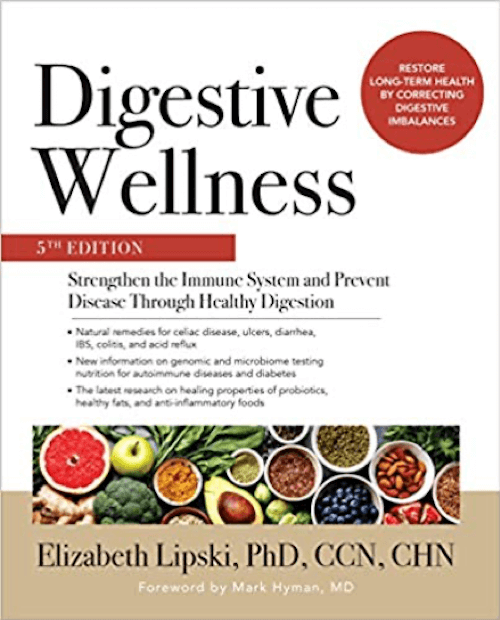
  • Digestive Wellness: Strengthen the Immune System and Prevent Disease Through Healthy Digestion, 5th Edition By Elizabeth Lipski (publication date Nov 22, 2019). The first edition was published in 1995 and this 5th edition (which I hear involved a great deal of revision) makes it current. I have yet to read this one but I know Liz and the previous editions and this is a firm favorite for overall digestive health.
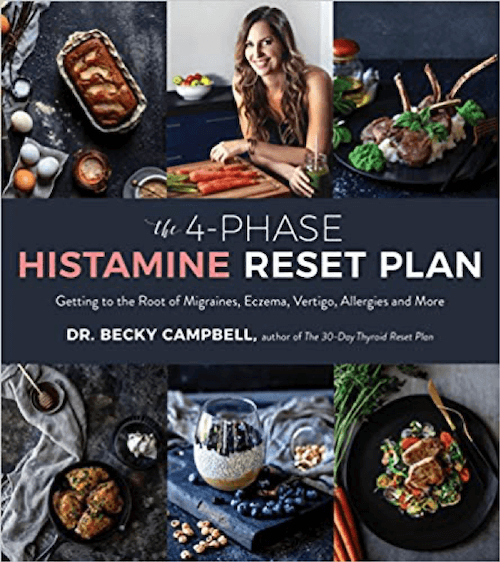
  • The 4-Phase Histamine Reset Plan: Getting to the Root of Migraines, Eczema, Vertigo, Allergies and More by Dr. Becky Campbell (publication date Dec 10, 2019). I have read this one and it’s excellent! It’s the only book that I am aware of that goes into so much depth on the topic of histamine intolerance.
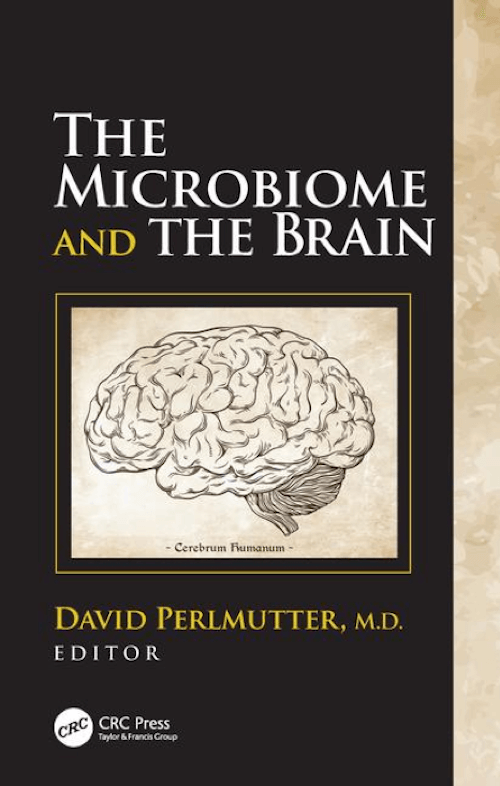
  • The Microbiome and the Brain, edited by David Perlmutter MD (publication date Dec 12, 2019). As Dr. Perlmutter shared in our Anxiety Summit interview, “it’s not just for clinicians, it’s also for researchers.” I can’t wait for my copy to arrive and will share more when it does.
  • Brain Wash: Detox Your Mind for Clearer Thinking, Deeper Relationships, and Lasting Happiness by David Perlmutter MD and Austin Perlmutter MD (publication date Jan 14, 2020). Dr. Perlmutter shared this in our summit interview: “I think technology can be either our most wonderful servant or a really disastrous master. It’s all in how we mindfully use technology.” I can’t wait for my copy to arrive and will share more when it does.
  • Healthy Gut, Healthy You by Dr. Michael Ruscio (publication date February 15, 2018). Misty Williams raved about this book in our interview and although I have yet to read it, I have attended one of Dr. Ruscio’s SIBO trainings, so I’m including it here too.
  • Food: What the Heck Should I Cook?: More than 100 Delicious Recipes–Pegan, Vegan, Paleo, Gluten-free, Dairy-free, and More – For Lifelong Health by Dr. Mark Hyman MD (publication date October 22, 2019). I reviewed this book a few months ago and am always a big fan of Dr. Hyman’s work so am including this one too.
  • The Mediterranean Method: Your Complete Plan to Harness the Power of the Healthiest Diet on the Planet — Lose Weight, Prevent Heart Disease, and More! by Steven Masley M.D. (publication date December 31, 2019). We all like to be inspired by new recipes and I love that Dr. Masley is a heart doctor, nutritionist and chef so I’m including this one even though I have yet to get a copy.
  • Hanger Management: Master Your Hunger and Improve Your Mood, Mind, and Relationships by Susan Albers PsyD (publication date December 24, 2019). Susan is a good friend and is well-recognized for her work on mindful eating, so I’m including this one too in order to round out this selection of books.
  • The Antianxiety Food Solution: How the Foods You Eat Can Help You Calm Your Anxious Mind, Improve Your Mood, and End Cravings by Trudy Scott (publication date June 2, 2011). I’m including my book too. If you don’t yet have a copy I encourage you to get a copy as a great foundation to the work I do. If you already have a copy I know you can see the value in gifting a copy to a loved one or sharing with your practitioner – so this is a reminder for you.

Here are more details on each of the above books….

Digestive Wellness: Strengthen the Immune System and Prevent Disease Through Healthy Digestion, 5th Edition By Elizabeth Lipski  (publication date Nov 22, 2019)
digestive wellness

Optimize your overall health through digestive wellness!

Fewer antacids and less bloating aren’t the only benefits of good digestion. When your digestive system is healthy and balanced, you sleep better, have more energy, think more clearly, experience less pain, and combat disease more effectively.

Digestive Health shows how everything from migraines to skin disease to arthritis are connected to your digestive system. And now, this go-to guide has been updated with critical new research and developments, including late-breaking information on:

  • Probiotics and Prebiotics
  • Celiac Disease
  • The Gut-Brain Connection
  • Carbohydrates
  • Leaky Gut Syndrome
  • Auto-Immune Conditions
  • Kidney and Bone Health
  • Cancer Prevention
  • Alzheimer’s Disease

You’ll find practical solutions to numerous conditions and disorders, along with expert guidance on the newest advances in testing and diagnosis, nutrition, and natural therapies.

A perfect balance of science and practical advice, Digestive Health explains how your digestive system works and what to do when it doesn’t function properly.

It provides everything you need to take control of your overall health through close, careful attention to your digestive system.

You can get your copy from Amazon here (my Amazon link).


The 4-Phase Histamine Reset Plan: Getting to the Root of Migraines, Eczema, Vertigo, Allergies and More by Dr. Becky Campbell (publication date Dec 10, 2019)
histamine reset

Uncover the Root Cause of Your Health Issues and Heal Your Body for Life

Millions of people suffer from allergies, migraines, skin issues, sleep disturbances, digestive ailments or anxiety due to undiagnosed histamine intolerance.

Dr. Becky Campbell, who has years of experience in the field and who suffers from histamine intolerance herself, has created a revolutionary four-phase program to heal your body naturally. What makes her approach different―and more effective for lifelong results―is that it looks for root causes and offers a well-rounded, holistic treatment plan that addresses diet, environmental toxins, lifestyle and more.

To help you uncover why your body is not processing histamine correctly, Dr. Campbell explains the eight most common factors and how to address them. Then she gives you a plan that includes a low-histamine diet, liver care, gut support and direction on how to safely reintroduce the foods that were once making you sick. Along with her wealth of delicious recipes, she also includes information on supplements, ways to reduce stress and much more.

Invest in your health and use The 4-Phase Histamine Reset Plan to heal your body for good.

You can get your copy from Amazon here (my Amazon link).


The Microbiome and the Brain, edited by David Perlmutter MD (publication date Dec 12, 2019)
microbiome and brain

Brain related disorders are among the most challenging health issues of our time. The development of effective therapeutic and preventive strategies for these disorders relies on a comprehensive understanding of the underlying causative mechanisms. And, until recently, these mechanisms have remained somewhat elusive.

The newly discovered pivotal role of the intestinal microbiome in brain health, functionality, and resistance to disease is revolutionizing neuroscience. The Microbiome and the Brain, through the contributions of some of the most forward thinking researchers and clinicians in the field, comprehensively reveals the leading edge of our understanding of the fundamental role of gut microbes and their metabolites in a wide array of seemingly diverse brain issues including Alzheimer’s disease, autism, multiple sclerosis, and mood disorders. In addition, mechanisms defining these relationships are explored along with a presentation of the state-of-the-art as it relates to interpretation of relevant laboratory assessments. Finally, novel therapeutic opportunities, derived from this exciting science are presented.

Readers will learn:

  • The highly validated relationship between alterations of gut microbes and their metabolites, and risk for Alzheimer’s disease.
  • The important link between autism and intestinal dysbiosis.
  • Appropriate interpretation of available laboratory assessments of the intestinal microbiome.
  • The potential role of fecal microbial transplant in neurological diseases.
  • The influence of diet and other lifestyle choices on the microbiome as it relates to brain health and functionality.

More information here


Brain Wash: Detox Your Mind for Clearer Thinking, Deeper Relationships, and Lasting Happiness by David Perlmutter MD and Austin Perlmutter MD (publication date Jan 14, 2020)
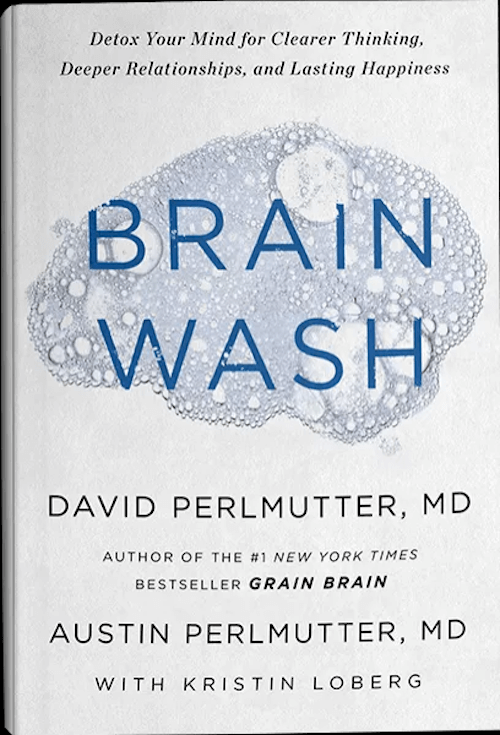
brain wash

Dr. David Perlmutter, #1 New York Times bestselling author of Grain Brain, and Dr. Austin Perlmutter, his son, explore how modern culture threatens to rewire our brains and damage our health, offering a practical plan for healing.

Contemporary life provides us with infinite opportunities, along with endless temptations. We can eat whatever we want, whenever we want. We can immerse ourselves in the vast, enticing world of digital media. We can buy goods and services for rapid delivery with our fingertips or voice commands. But living in this 24/7 hyper-reality poses serious risks to our physical and mental states, our connections to others, and even to the world at large.

Brain Wash builds from a simple premise: Our brains are being gravely manipulated, resulting in behaviors that leave us more lonely, anxious, depressed, distrustful, illness-prone, and overweight than ever before.

Based on the latest science, the book identifies the mental hijacking that undermines each and every one of us, and presents the tools necessary to think more clearly, make better decisions, strengthen bonds with others, and develop healthier habits. Featuring a 10-day bootcamp program, including a meal plan and 40 delicious original recipes, Brain Wash is the key to cultivating a more purposeful and fulfilling life.

You can get your copy from Amazon here (my Amazon link).  More information and bonus pre-launch gifts are available here.


Healthy Gut, Healthy You by Dr. Michael Ruscio (publication date February 15, 2018)
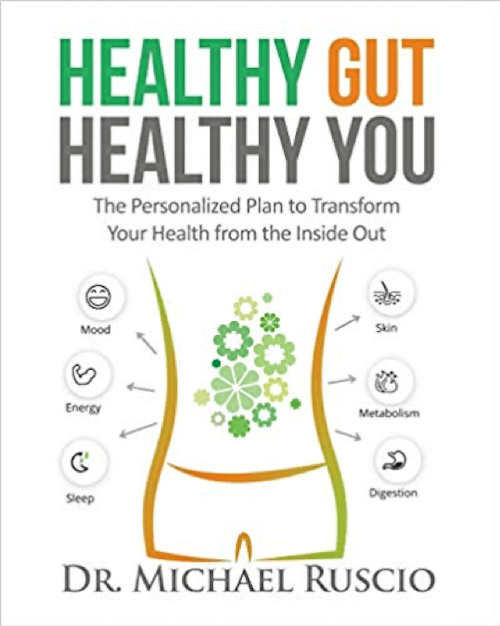
healthy gut healthy you

Are you experiencing depression, fatigue, thyroid imbalances, joint pain, insomnia, brain fog, inflammation or autoimmunity? Did you know your symptoms could be caused by a problem in your gut? Even if you don’t have gas, bloating, abdominal pain, diarrhea and/or constipation you could greatly benefit from improving your health at the core, your gut.

In Healthy Gut, Healthy You, clinician and researcher Dr. Michael Ruscio shows how modern lifestyle changes and the widespread use of antibiotics have made our guts more vulnerable than ever before.

The good news is that almost any ailment can be healed. The key is not just managing the symptoms but treating the root cause; the gut. Restoring this crucial part of your overall health improves the performance of your whole body from the inside out – and it’s easier than you think to get started.

You don’t have to follow crazy diets or spend a fortune to get healthy. Instead, read Healthy Gut, Healthy You to discover:

  • THE IMPORTANCE OF YOUR GUT
  • DIET FOR OPTIMUM GUT HEALTH
  • LIFESTYLE AND ENVIRONMENT FOR OPTIMUM GUT HEALTH
  • TOOLS FOR HEALING YOUR GUT
  • THE GREAT-IN-8 ACTION PLAN

A vibrant, healthy you begins with your gut! Start healing your body today with Healthy Gut, Healthy You!

You can get your copy from Amazon here  (my Amazon link)


Food: What the Heck Should I Cook?: More than 100 Delicious Recipes–Pegan, Vegan, Paleo, Gluten-free, Dairy-free, and More – For Lifelong Health by Dr. Mark Hyman MD (publication date October 22, 2019)
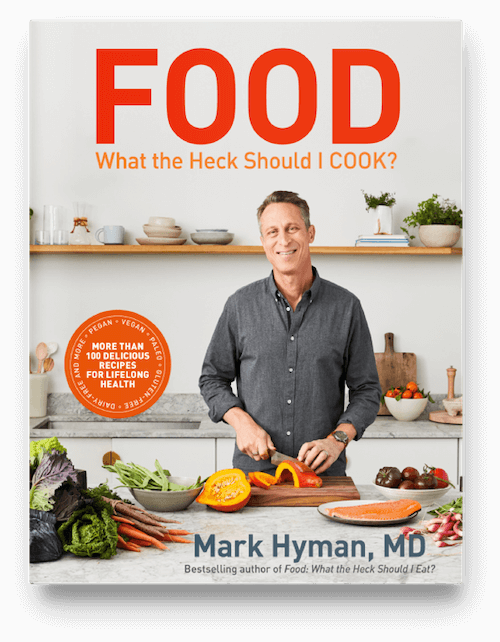
what the heck should i cook

The companion cookbook to Dr. Hyman’s New York Times bestselling Food: What the Heck Should I Eat?, featuring more than 100 delicious and nutritious recipes for weight loss and lifelong health.

Dr. Mark Hyman’s Food: What the Heck Should I Eat? revolutionized the way we view food, busting long-held nutritional myths that have sabotaged our health and kept us away from delicious foods that are actually good for us. Now, in this companion cookbook, Dr. Hyman shares more than 100 delicious recipes to help you create a balanced diet for weight loss, longevity, and optimum health. Food is medicine, and medicine never tasted or felt so good.

The recipes in Food: What the Heck Should I Cook? highlight the benefits of good fats, fresh veggies, nuts, legumes, and responsibly harvested ingredients of all kinds. Whether you follow a vegan, Paleo, Pegan, grain-free, or dairy-free diet, you’ll find dozens of mouthwatering dishes, including:

  • Mussels and Fennel in White Wine Broth
  • Golden Cauliflower Caesar Salad
  • Herbed Mini-Meatballs with Butternut Noodles
  • Lemon Berry Rose Cream Cake
  • and many more

With creative options and ideas for lifestyles and budgets of all kinds, Food: What the Heck Should I Cook? is a road map to a satisfying diet of real food that will keep you and your family fit, healthy, and happy for life.

You can get your copy from Amazon here (my Amazon link) and check out some sample recipes on my blog here.


The Mediterranean Method: Your Complete Plan to Harness the Power of the Healthiest Diet on the Planet — Lose Weight, Prevent Heart Disease, and More! by Steven Masley M.D. (publication date December 31, 2019)
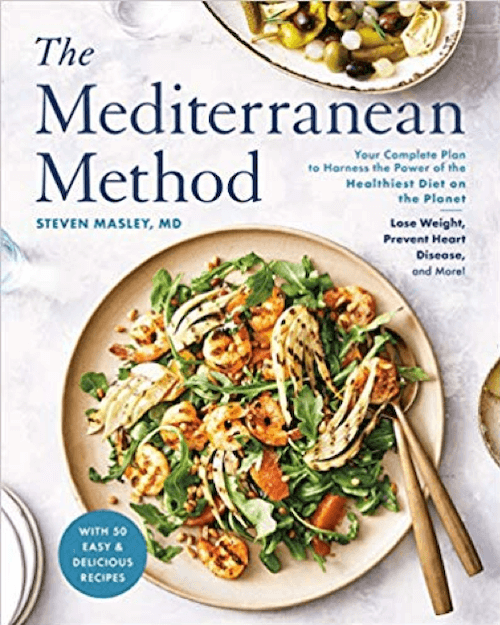
mediterranean method

A fresh approach to the Mediterranean diet that focuses on low-glycemic foods that benefit the heart, brain, gut, and microbiome.

From southern Italy, Sardinia, and France to Spain, Greece, and Northern Africa the Mediterranean region is synonymous with sparkling azure waters and clear blue skies. It’s also home to most of the world’s longest-lived and vibrantly healthy people. Now we know why! Repeatedly ranked the #1 diet by U.S. News and World Report, the Mediterranean eating style–abundant seafood, vegetables, fruits, beans and nuts; lots of olive oil; a wide variety of herbs and spices; and even dark chocolate and red wine–has been scientifically proven to maintain a healthy gut and healthy weight, thereby reducing your risk for heart disease, dementia, memory loss, and many cancers in the process.

Taking this famously healthy and life-enhancing “prescription” one step further, Dr. Steven Masley–renowned physician, nutritionist, bestselling author, and trained chef–offers all the flavors and benefits of the Mediterranean diet, but with a “skinny” twist: he focuses on delicious ingredients with a low-glycemic load. Including 50 recipes for food everyone at the table will love–from hearty breakfasts, crowd-pleasing appetizers, soups, and sides, to family-style salads, memorable main meals, and irresistible desserts–The Mediterranean Method is a revolutionary program for losing weight and maintaining the amazing health you regain. Slim down and protect your heart, your brain, and your healthy longevity–all while you enjoy the amazing bounty, variety, and joy of Mediterranean cooking!

You can get your copy from Amazon here (my Amazon link)


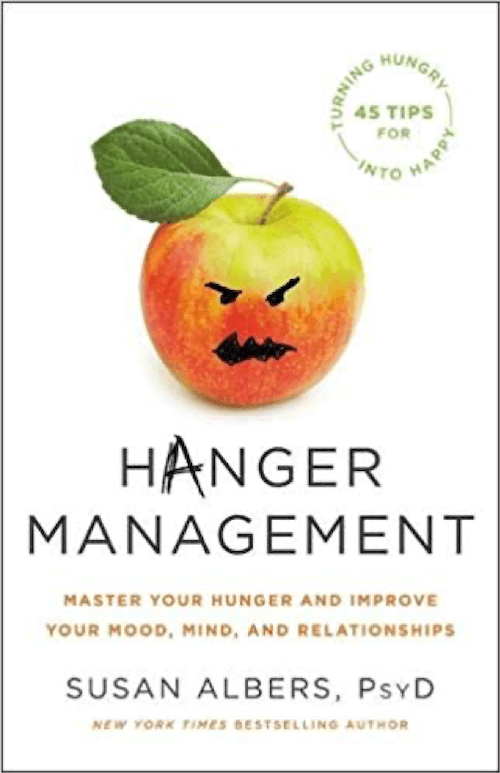
Hanger Management: Master Your Hunger and Improve Your Mood, Mind, and Relationships by Susan Albers PsyD (publication date December 24, 2019)
hanger management

The complete program for mastering your “hanger,” from mindful-eating pioneer Dr. Susan Albers — with 45 tips to turn hanger into happiness.

It happens to all of us. One minute you’re happily going about your day, and a few seconds later you’re a snappy, illogical version of yourself. The culprit? Hanger.

We’re living busier lives than ever before, and when we forget to eat — or accidentally overeat — hunger can make us angry, unreasonable, and dull, with big impacts on our emotional and psychological well being. And hanger can become a cycle. When we get too hungry, we’re more likely to make food decisions we regret, which sets us up for another hanger crash later on.

The good news: when we make better decisions about food, we think more clearly, connect better in our relationships, and improve our performance. Hanger Management is the book that can help you break this cycle and create healthy habits that fuel and empower you.

In Hanger Management, New York Times bestselling author and clinical psychologist Susan Albers sheds light on the causes of hanger, and shares 45 of her best tips for managing it well. By learning to stay on top of your hunger cues, cultivating a better understanding of your appetite, and creating a better overall relationship with food, you’ll become happier — and healthier — for life.

You can get your copy from Amazon here (my Amazon link)


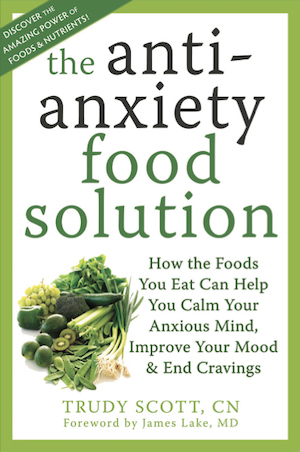
The Antianxiety Food Solution: How the Foods You Eat Can Help You Calm Your Anxious Mind, Improve Your Mood, and End Cravings by Trudy Scott (publication date June 2, 2011)
antianxiety food solution

It’s remarkable how much the foods we eat can impact our brain chemistry and emotions. What and when we eat can make the difference between feeling anxious and staying calm and in control. But most of us don’t realize how much our diets influence our moods, thoughts, and feelings until we make a change.

In The Antianxiety Food Solution, you’ll find four unique antianxiety diets designed to help you address nutritional deficiencies that may be at the root of your anxiety and enjoy the many foods that foster increased emotional balance. This helpful guide allows you to choose the best plan for you and incorporates effective anxiety-busting foods and nutrients. You’ll soon be on the path to freeing yourself from anxiety—and enjoying an improved overall mood, better sleep, fewer cravings, and optimal health—the natural way! The book also includes an easy-to-use index.

In The Antianxiety Food Solution, you’ll discover:

  • How to assess your diet for anxiety-causing and anxiety-calming foods and nutrients
  • Foods and nutrients that balance your brain chemistry
  • Which anxiety-triggering foods and drinks you may need to avoid
  • Easy lifestyle changes that reduce anxiety and increase happiness

You can get your copy from Amazon here (my Amazon link)

I’ve provided my Amazon links for your convenience but if you’re not in the USA, Book depository is a great place to purchase books and offers free shipping worldwide.

I hope I’ve given you some wonderful gift ideas! Happy shopping! And happy reading if you decide to gift yourself one or more of these wonderful books.

Let us know which books you are excited about getting for yourself or a loved one or friend, and which ones you already have and love.
Filed Under: Books Tagged With: anxiety, anxiety summit, Becky Campbell, David Perlmutter, digestion, Elizabeth Lipski, gut-brain, mark hyman, Michael Ruscio, steven masley, Susan Albers, Trudy Scott

The Better Brain Solution by Dr. Steven Masley

December 22, 2017 By Trudy Scott 9 Comments

My friend and colleague, Dr. Steven Masley, has developed a groundbreaking book and wellness program, The Better Brain Solution (my Amazon affiliate link) with a release date of January 2, 2018.

The Better Brain Solution is based on what he sees in his clinic and is supported by research published by Dr. Masley and his colleagues: Lifestyle Markers Predict Cognitive Function

Published data from his clinic shows that we can improve executive function and brain processing speed by 25-30%, with the 5-step plan he developed, focused on adding the right foods, nutrients, activity, stress management, and toxin avoidance. As insulin resistance is the primary cause for cognitive decline and losing brain processing speed, he believes this approach can help prevent at least 60% of dementia and Alzheimer’s disease.

Dr. Masley also writes about partial intermittent fasting for improving cognitive performance:

Recent studies have shown that partial intermittent fasting can be as effective—and sometimes more effective—in improving cognitive per­formance than traditional fasting; plus it also improves blood sugar con­trol. Avoiding calories (especially carbohydrates) for at least fifteen to eighteen hours will initiate ketone formation and shift fuel usage from glucose (sugar) to ketones (a molecular by-product of fat-burning). The brain’s energy-producing factory, the mitochondria, then uses those ketones for fuel. Simply put, in ketosis, cells convert fat rather than sugar into energy, and the brain seems to like that.

And he reviews these partial intermittent fasting options, recommending #1 as the easiest one to follow for most:

  1. Fasting overnight for 15–18 hours (basically skipping breakfast) 2–3 days per week
  2. Very-low-carb fasting every other day
  3. Very-low-carb fasting 4–5 days per month

The MCT oil and coconut oil discussion is a valuable one but if caffeine is an anxiety trigger for you, simply skip the coffee and MCT oil/cream recommendation. He has a section for ApoE4 genotypes and it’s worth mentioning this here as it has come up on previous blog posts. Dr. Masley’s advice:

Keep to a modest intake of saturated fat from animal protein and dairy products. Because ApoE4 genotypes are less able to utilize MCT fats effectively as fuel, you have less reason to use MCT oil, coconut oil, and other coconut products.

There is an entire chapter on valuable nutrients. Here is a snippet on curcumin from the book – showing both cognitive and mood benefits:

Beyond its anti-inflammatory, arthritis-relieving, antioxidant, and cancer-fighting properties, curcumin has been studied for its effects on cognitive decline. The challenge is that original forms were poorly absorbed, while larger doses (which might be the most effective for addressing cognitive decline) have caused significant gastrointestinal symptoms.

Recently, improved curcumin formulations have been introduced, with much better rates of absorption and gastrointestinal tolerability. One study that used these newer forms of curcumin has shown improved cognitive function. Dr. Katherine Cox and her Australian research team evaluated 60 healthy adults (without memory loss), age sixty to eighty-five. Subjects were randomized to receive 400 mg of a well-absorbed curcumin formulation and a placebo, and sophisticated measures were used to assess their cognitive function pre-and post-therapy. Even after only three hours, researchers noted improved cognitive function with curcumin, but none in the control group. After four weeks, those receiving curcumin showed better cognition, plus subjects reported more energy and less anxiety.

Additional studies in humans have shown that giving curcumin decreased blood levels of beta-amyloid (the brain protein associated with Alzheimer’s disease); and in mice, giving curcumin enhanced hip­pocampal neurogenesis (regeneration of brain cells), helping to increase the size of the brain’s memory center.

In particular, its anti-inflammatory and antioxidant activity shows promise for high-risk individuals with ApoE4 genotypes, but that is yet to be proven. For now, I’m going to keep taking cur­cumin for my joints, with the hope it will protect my brain as well.

In the chapter on toxins and brain health, Dr. Masley discusses inorganic copper:

Only recently has copper emerged as a risk factor for Alzheimer’s, and the data are startling. In animal studies, giving mice inorganic cop­per supplements (also called copper-2 or divalent copper), compared to giving a placebo, caused increased beta-amyloid production in the brain, plus an elevated rate of Alzheimer’s disease. If you recall, beta-amyloid is the sticky protein that overaccumulates in the brains of those with Alzheimer’s disease.

Researcher and physician George Brewer, M.D., MACN, has stud­ied the relationship between inorganic copper intake and the dramatic recent increase in Alzheimer’s rates. He draws a very strong relationship between copper pipes used in home plumbing and the rapid rise in Alzheimer’s rates in the United States.

Keep in mind that for some individuals, even organic copper can be an issue when it comes to anxiety (this is not discussed but is my contribution to the discussion).

And some additional comments from me: if you’ve been following me for some time, you know I support the mental health research showing that grass-fed red meat is beneficial to consume more than only once a week. I also say no to tuna and sword-fish especially if you suspect mercury issues are a factor in your anxiety or cognitive issues. I would also like to point out that benzodiazepines are not mentioned despite the research showing the role it may be playing.  

I truly value the work of Dr. Masley and this book is wonderful for improving cognitive function (and even depression). I also really like the perspective he brings as a heart doctor and chef, the research that is woven in to the book and his advice, as well as the fun factor he teaches, like learning a new language!

In advance of the release of his book he is offering the following:

  • The Brain Symptom Quiz When you get your results you will receive Dr. Masley’s Better Brain Shopping Guide – The top 12 foods to boost your brain and the critical foods to avoid! Be sure to look out for his special offer that includes a copy of his new book.  
  • A sneak 3-video advanced viewing of the March 2018 PBS show

If you’d just prefer a copy of the book you can also pre-order here: The Better Brain Solution – How to Reverse and Prevent Insulin Resistance of the Brain, Sharpen Cognitive Function, and Avoid Memory Loss (my Amazon affiliate link)

Feel free to ask questions or comment below.

Filed Under: Books Tagged With: Dr. Steven Masley, steven masley, The Better Brain Solution

Prevent a heart attack! No grains, fix low D/low thyroid, add fish oil, improve gut flora!

July 13, 2015 By Trudy Scott 2 Comments

Dr. Masley’s Healthy Heart Summit starts today! It’s not to be missed!

Here are the speakers for Day 1:

hhs-1

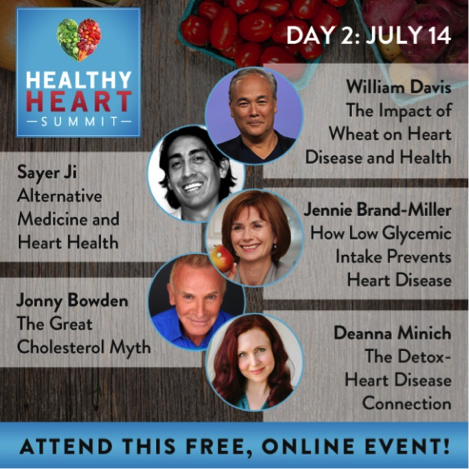
Here are the speakers for Day 2:

hhs-2

And some excerpts from the Dr. William Davis interview: The Impact of Wheat on Heart Disease and Health. It’s incredible! Dr. Davis is a cardiologist and the author of Wheat Belly. His focus with his heart patients is: no grains, fish oil, gut flora, fixing low D and addressing low thyroid!

Sound familiar? All of these can also be part of a program for improving mood and ending anxiety

Here are some excerpts:

  • One of the earliest solutions was a very, very common abnormality in people with coronary disease – an excess of small oxidation prone LDL particles. So I used the data published by people like Ron Krauss in UC Berkeley and some others and took all the grains out of people’s diet. And lo and behold it works like a charm. That became a cornerstone of what I was doing for coronary disease.
  • People were starting to tell me that the rheumatoid arthritis was going away and that their glaucoma had gone away, and their leg edema, hypertension, acid reflux, irritable bowel syndrome, bowel urgency, funny skin rashes, rosacea, rosacea-eczema, seborrhea, belly fat. All of these conditions reversed with elimination of grains.
  • When I added vitamin D to the mix about eight, nine years ago, that’s when we saw dramatic reductions
  • I published some of these data, by the way. [Here is one of his studies: Effect of a combined therapeutic approach of intensive lipid management, omega-3 fatty acid supplementation, and increased serum 25 (OH) vitamin D on coronary calcium scores in asymptomatic adults.  It doesn’t get much attention because you know prevention doesn’t get the headlines. But lots of robotic surgery and things like that get the headlines.
  • Fish oil, of course. Not a huge effect, but it does help. I love it because it reduces the after meal, postprandial flood of lipoproteins. It has a big effect on subduing that effect. Heart disease, as you know, develops in the after-eating few hours, not so much while you’re fasting.
  • Thyroid normalization. I started paying attention to thyroid based on the Norwegian data suggests that a TSH of 1.4 or greater (in the presumed normal range) could as much as double or triple cardiovascular death. Lo and behold, it became a critical part of the management of coronary disease.
  • And then lastly, most recently this notion of cultivating bowel flora. So we use so-called prebiotic fibers or resistant starches to purposely cultivate healthy species of bowel flora. And I’ll be darned. This has proven to be a critical piece.
  • I’m sure my experience is similar to yours. I haven’t seen a heart attack in years. I used to see a couple of heart attacks a week when I was younger – just telling people to take the statin drug and cut their fat and exercise and eat everything in moderation and all that nonsense.

Wow! This is profound!

They go on to talk about how whole-wheat flour, white flour, and table sugar all have the same glycemic load and blood sugar response – which you know also plays a big part in anxiety.

And then one of my favorite sections is this discussion on opiates:

  • If you eat the gliadin protein of wheat…same protein, by the way, in rye and barley. It’s called secalin in rye, hordein in barley and zein in corn. Sometimes you partially digest the small peptides about 5 amino acids long. Those peptides have very unique sequences rich in proline that make it very resistant to human digestion. Those five amino acid pieces act like opiates on the human brain.
  • The effect of the opiates depend on your individual susceptibility. So if you’re a kid with ADHD or autistic spectrum disorder, it causes behavioral outbursts. If you are a paranoid schizophrenic, it causes paranoia and hearing voices. If you have bipolar illness, it triggers the mania, the high. [my addition: if you’re prone to anxiety and depression it can make your symptoms much worse and even be the main cause]
  • If you have a tendency towards binge eating disorder or bulimia, it causes 24-hour a day food obsession.
  • Now, in everyday people who don’t have any of those conditions, it only causes appetite stimulation, many many hundreds of calories more per day every day. It causes incessant hunger. You have to eat all the time.

Register at the following link for the Healthy Heart Summit – to hear the whole of the Dr. Davis interview and all the other great interviews: https://ez233.isrefer.com/go/summitreg/trudyscottcn/

If you know you want to purchase the interviews (digital or memory stick), here is the purchase link:
https://ez233.isrefer.com/go/summitorder/trudyscottcn/


Filed Under: Events, Heart health/hypertension Tagged With: healthy heart summit, steven masley

Primary Sidebar

NEW! GABA QuickStart Homestudy (with special intro pricing)

gaba quickstart homestudy

Free Report

9 Great Questions Women Ask about Food, Mood and their Health

You'll also receive a complimentary subscription to my ezine "Food, Mood and Gal Stuff"


Connect with me

Popular Posts

  • Amino Acids Mood Questionnaire from The Antianxiety Food Solution
  • The Antianxiety Food Solution Amino Acid and Pyroluria Supplements
  • Pyroluria Questionnaire from The Antianxiety Food Solution
  • Collagen and gelatin lower serotonin: does this increase your anxiety and depression?
  • Tryptophan for the worry-in-your-head and ruminating type of anxiety
  • GABA for the physical-tension and stiff-and-tense-muscles type of anxiety
  • The Antianxiety Food Solution by Trudy Scott
  • Seriphos Original Formula is back: the best product for anxiety and insomnia caused by high cortisol
  • Am I an anxious introvert because of low zinc and vitamin B6? My response to Huffington Post blog
  • Vagus nerve rehab with GABA, breathing, humming, gargling and key nutrients

Recent Posts

  • What do I use instead of Seriphos to help lower high cortisol that is affecting my sleep and making me anxious at night?
  • BeSerene™ GABA/theanine cream eases severe muscle tension in her neck/shoulders, prevents her bad headaches and quells her anxiety
  • How the correct approach, dose and sublingual use of GABA can be calming and not cause a flushed and itchy face and neck
  • The amino acid glutamine improves low mood by addressing gut health, and it has calming effects too
  • Flight anxiety with heightened breath, physical tension and also fearing the worst (the role of low GABA and low serotonin)

Categories

  • 5-HTP
  • AB575
  • Addiction
  • ADHD
  • Adrenals
  • Alcohol
  • Allergies
  • Alzheimer's disease
  • Amino Acids
  • Anger
  • Antianxiety
  • Antianxiety Food Solution
  • Antidepressants
  • Anxiety
  • Anxiety and panic
  • Autism
  • Autoimmunity
  • benzodiazapines
  • Bipolar disorder
  • Books
  • Caffeine
  • Cancer
  • Candida
  • Children/Teens
  • Collagen
  • Cooking equipment
  • Coronavirus/COVID-19
  • Cravings
  • Depression
  • Detoxification
  • Diabetes
  • Diet
  • DPA/DLPA
  • Drugs
  • EFT/Tapping
  • EMF
  • EMFs
  • Emotional Eating
  • Endorphins
  • Environment
  • Essential oils
  • Events
  • Exercise
  • Fear
  • Fear of public speaking
  • Fertility and Pregnancy
  • Fish
  • Food
  • Food and mood
  • Functional neurology
  • GABA
  • Gene polymorphisms
  • General Health
  • Giving
  • Giving back
  • Glutamine
  • Gluten
  • GMOs
  • Gratitude
  • Gut health
  • Heart health/hypertension
  • Histamine
  • Hormone
  • Hyperparathyroidism
  • Hypoglycemia
  • Immune system
  • Inflammation
  • Insomnia
  • Inspiration
  • Introversion
  • Joy and happiness
  • Ketogenic diet
  • Lithium orotate
  • Looking awesome
  • Lyme disease and co-infections
  • MCAS/histamine
  • Medication
  • Men's health
  • Mental health
  • Mercury
  • Migraine
  • Mold
  • Movie
  • MTHFR
  • Multiple sclerosis
  • Music
  • NANP
  • Nature
  • Nutritional Psychiatry
  • OCD
  • Osteoporosis
  • Oxalates
  • Oxytocin
  • Pain
  • Paleo
  • Parasites
  • Parkinson’s disease
  • PCOS
  • People
  • PMS
  • Postpartum
  • PTSD/Trauma
  • Pyroluria
  • Questionnaires
  • Real whole food
  • Recipes
  • Research
  • Schizophrenia
  • serotonin
  • SIBO
  • Sleep
  • Special diets
  • Sports nutrition
  • Stress
  • Sugar addiction
  • Sugar and mood
  • Supplements
  • Teens
  • Testimonials
  • Testing
  • The Anxiety Summit
  • The Anxiety Summit 2
  • The Anxiety Summit 3
  • The Anxiety Summit 4
  • The Anxiety Summit 5
  • The Anxiety Summit 6
  • Thyroid
  • Thyroid health
  • Toxins
  • Tryptophan
  • Tyrosine
  • Uncategorized
  • Vegan/vegetarian
  • Women's health
  • Yoga

Archives

  • October 2025
  • September 2025
  • August 2025
  • July 2025
  • June 2025
  • May 2025
  • April 2025
  • March 2025
  • February 2025
  • January 2025
  • November 2024
  • October 2024
  • September 2024
  • August 2024
  • July 2024
  • June 2024
  • May 2024
  • April 2024
  • March 2024
  • February 2024
  • January 2024
  • December 2023
  • November 2023
  • October 2023
  • September 2023
  • August 2023
  • July 2023
  • June 2023
  • May 2023
  • April 2023
  • March 2023
  • February 2023
  • January 2023
  • December 2022
  • November 2022
  • October 2022
  • September 2022
  • August 2022
  • July 2022
  • June 2022
  • May 2022
  • April 2022
  • March 2022
  • February 2022
  • January 2022
  • December 2021
  • November 2021
  • October 2021
  • September 2021
  • August 2021
  • July 2021
  • June 2021
  • May 2021
  • April 2021
  • March 2021
  • February 2021
  • January 2021
  • December 2020
  • November 2020
  • October 2020
  • September 2020
  • August 2020
  • July 2020
  • June 2020
  • May 2020
  • April 2020
  • March 2020
  • February 2020
  • January 2020
  • December 2019
  • November 2019
  • October 2019
  • September 2019
  • August 2019
  • July 2019
  • June 2019
  • May 2019
  • April 2019
  • March 2019
  • February 2019
  • January 2019
  • December 2018
  • November 2018
  • October 2018
  • September 2018
  • August 2018
  • July 2018
  • June 2018
  • May 2018
  • April 2018
  • March 2018
  • February 2018
  • January 2018
  • December 2017
  • November 2017
  • October 2017
  • September 2017
  • August 2017
  • July 2017
  • June 2017
  • May 2017
  • April 2017
  • March 2017
  • February 2017
  • January 2017
  • December 2016
  • November 2016
  • October 2016
  • September 2016
  • August 2016
  • July 2016
  • June 2016
  • May 2016
  • April 2016
  • March 2016
  • February 2016
  • January 2016
  • December 2015
  • November 2015
  • October 2015
  • September 2015
  • August 2015
  • July 2015
  • June 2015
  • May 2015
  • April 2015
  • March 2015
  • February 2015
  • January 2015
  • December 2014
  • November 2014
  • October 2014
  • September 2014
  • August 2014
  • July 2014
  • June 2014
  • May 2014
  • April 2014
  • March 2014
  • February 2014
  • January 2014
  • December 2013
  • November 2013
  • October 2013
  • September 2013
  • August 2013
  • July 2013
  • June 2013
  • May 2013
  • April 2013
  • March 2013
  • February 2013
  • January 2013
  • December 2012
  • November 2012
  • October 2012
  • August 2012
  • July 2012
  • June 2012
  • May 2012
  • April 2012
  • March 2012
  • February 2012
  • January 2012
  • December 2011
  • November 2011
  • October 2011
  • September 2011
  • August 2011
  • July 2011
  • June 2011
  • May 2011
  • April 2011
  • March 2011
  • February 2011
  • January 2011
  • December 2010
  • October 2010
  • September 2010
  • July 2010
  • May 2010
  • April 2010
  • March 2010
  • February 2010
  • January 2010
  • November 2009

Share the knowledge!

The above statements have not been evaluated by the Food and Drug Administration. Products listed in this website are not intended to diagnose, treat, cure or prevent any disease.

The information provided on this site is for informational and educational purposes only and is not intended as a substitute for advice from your physician or other health care professional. You should consult with a healthcare professional before starting or modifying any diet, exercise, or supplementation program, before taking or stopping any medication, or if you have or suspect you may have a health problem.


Copyright © 2026 Trudy Scott. All Rights Reserved. | Privacy | Terms and Conditions | Refund Policy | Medical Disclaimer

Free Report

9 Great Questions Women Ask about Food, Mood and their Health

You’ll also receive a complimentary subscription to my ezine “Food, Mood and Gal Stuff”