• Skip to primary navigation
  • Skip to main content
  • Skip to primary sidebar

everywomanover29 blog

Food, Mood and Women's Health – Be your healthiest, look and feel great!

  • Blog
  • About
  • Services
  • Store
  • Resources
  • Testimonials
  • The Book
  • Contact
  • Search this site

SIBO

Microbiome summit: SIBO, anxiety, migrating motor complex and CDT

April 24, 2017 By Trudy Scott Leave a Comment

Anxiety and depression are very common symptoms of SIBO or small intestinal bacterial overgrowth and Dr. Alison Siebecker, one of the speakers on the Microbiome Medicine Summit 2 shares this about anxiety and SIBO:

I see their anxiety resolving, going way down, once the SIBO is treated. I see a lot of very anxious SIBO patients. It’s caused by one of the mechanisms. It’s the cell wall of the bacteria. The LPS otherwise known as endotoxins, that can stimulate inflammatory cytokines and these affect mood.

She discusses some of the common causes of SIBO or small intestinal bacterial overgrowth:

So we’re talking about the deficiency of migrating motor complex. And this is a form of like peristalsis or motility that occurs in the small intestine itself. And its whole purpose is to clear the small intestine of bacteria, believe it or not, and cellular debris, any leftover food. Because it works in between meals, it works when we’re actually fasting, so in between meals and then overnight when we’re sleeping.

It’s kind of like—it’s called the housekeeper wave. It comes and sweeps and cleans up after we eat. So what can happen for really the predominant amount of people is that this motility becomes deficient. Or it doesn’t function very well. Now, there are a lot of things that could cause this motility to get deficient. There are many diseases, some of them quite common, like diabetes, hypothyroid.

We’ve got drugs that can slow it like opioid painkillers, opioid narcotics, very common for a lot of people. I do see a lot of people with SIBO after they take narcotic or painkillers, for instance for like a knee surgery or maybe they had gallstones or kidney stones. They had to take them for awhile—back pain, things like that. This can slow the migrating motor complex and allow SIBO to develop.

But probably the most common reason of all is from an acute disease, which is food poisoning or otherwise known as acute gastroenteritis, and here we’re talking about the bacterial type.

And this is what’s really revolutionary to me about SIBO and what we’ve learned. This is the work of Dr. Pimentel and associates many years figuring this out.

She shares how the toxin secreted by the bacteria (from the food poisoning) causes an autoimmune-type reaction

What happens is, in bacterial food poisoning, all the bacteria that cause this secrete—they are pathogenic bacteria. And they secrete a toxin. And it’s all the same toxin, CDT, which stands for cytolethal distending toxin.  

Well, it turns out a portion of this toxin, the B portion—it’s just named B. It has an A, B, and C part. The B portion looks like a protein that’s on one of these very important nerve cells, as you just mentioned, that sort of generates this migrating motor complex.

So what happens is through a case of mistaken identity—or we could call it friendly fire. Or we could call it molecular mimicry. These are all words for the initiation of an autoimmune process through that because this protein on our nerve cell looks like the toxin. Our immune system gets triggered into damaging and fighting against our own nerve cells.

So it damages our nerve cells. And then the migrating motor complex can’t be produced properly. And what studies have shown is that the damage has to reach a certain threshold where these cells are diminishing. And then that will really, really slow down the migrating motor complex. And at a certain level there, the SIBO will develop.

The rates are pretty high – anywhere from 10% to 20% of people – who get food poisoning go on and get SIBO.

And she shares about the IBSchek test that

checks for the antibodies against that toxin, CDT-B, and the protein, which is actually called the vinculin, the protein that was on the nerve cells.

I always enjoy hearing Dr. Siebecker’s interviews and learn something new every time. This one was no exception!

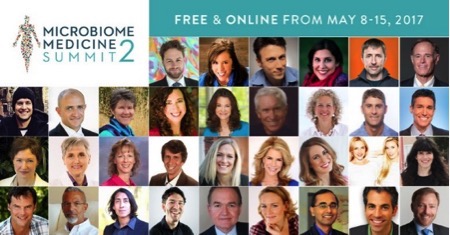
I hope you’ll join the host Dr. Raphael Kellman and all the great speakers on the Microbiome Medicine Summit 2, May 8-15, 2017 to learn more
Here is the registration link

Filed Under: Events Tagged With: anxiety, Dr. Kellman, microbiome medicine summit, migrating motor complex and CDT, SIBO

Gut healing bone broth and SIBO on the Better Belly Project

December 11, 2016 By Trudy Scott Leave a Comment

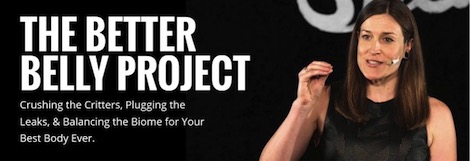
A quick reminder that The Better Belly Project: Crushing the Critters, Plugging the Leaks, and Balancing the Biome for Your Best Body Ever, hosted by fermentationist, Summer Bock started on December 9th!

Here are some snippets from some of the many excellent interviews.

Kellyann Petrucci, M.S., N.D., is the author of the New York Times bestselling book Dr. Kellyann’s Bone Broth Diet and she shares this about the gut healing bone broth:

I call this my liquid gold, and this is my gold standard, this is my go-to, this is the love of my life, I have to say, is bone broth. Here’s why I love bone broth so much. We talked about your intestines, the long tubing. Well we talked about it being red and inflamed. Think about it like this. If you’ve got a sunburn, it’s inflamed, it’s red, you want to heal it, you want to get it to feel better, so the two things you’re looking for is you want to get out of pain, you want it to feel better, and you want it to heal. You put some aloe vera on there, it calms it, it soothes it, it heals it. But guess what? That’s what bone broth actually does to your gut. That’s what it does to your intestines. It goes in there and it heals it. It seals it. It provides nutrition.

To me it’s one of the most premier and best foods that you can possibly put in your body, and there’s nothing trendy about it. There’s nothing trendy about bone broth. It’s simply putting some healthy bones in a pot with some water. Celery, onions, and carrots for some flavoring, if you want. Throw them in there. Any spices that you want. You want to take that and simmer it for anywhere from 18 to 24 to 48 hours depending on what your goal is and what you’re doing. Just simmer it for a long period of time.

You want to get it gelatinous, because one of the big hitches, one of the beautiful things about bone broth is it really helps your body mainline it’s own collagen. We know that collagen, that’s the glue that holds us together, it’s super important. We lose that as we get older. Cooked collagen is gelatin. Gelatin is a big, big word, because that word means so much to gut health and gut healing. Gelatin, it heals everything so beautifully, particularly the gut. That’s why for me, that’s what I’ve used with patients, with readers, with celebrities, with everybody I work with, my go-to is bone broth. I love it because, again, I’m into the trifecta effect. I want something that I give my patients to work on so many levels so they get a lot done with a little bit of effort, and that’s why I love bone broth.

Dr. Vincent M. Pedre is author of Happy Gut and he shares about Small Intestinal Bacterial Overgrowth (SIBO)

I’m excited to talk about SIBO because I feel that it is one of the most misunderstood diagnoses. In Western medicine, so regular MD’s, they don’t know how to treat it. They don’t understand the length that it has to be treated in order to resolve the SIBO. SIBO doesn’t resolve overnight. It didn’t happen overnight. It’s not going to resolve overnight.

What happens in SIBO is that you get too many of the good guys in the small intestine, so an imbalance occurs.

If you have methane-predominant SIBO, often these people have constipation because the methane causes the migrating motor complex that controls peristalsis. It causes it to malfunction. These people will develop constipation.

He covers the SIBO breath test and how it measures hydrogen and methane, and the effects of fermented foods:

What we’re looking for and measuring in those samples is hydrogen and methane. Now, this is key because we’ve been talking about bacteria up to now. The methane producers are a genus of bacteria or species that is more archaic. It’s called archaea. They’re not even sure that they’re actually bacteria. They’re very fastidious. They’re a little bit harder to treat.

If it is a methane-predominant and it is probably more Archaea, they will, more likely, do well with fermented foods. It’s not going to worsen their symptoms. It actually will help them get better. We need the lactobacillus to out-compete the archaean to keep it in control.

He covers pros and cons of antibiotics and other medications, herbal approaches and probiotics, pro-kinetics, can you treat it through diet, with fermented foods and changing the diet into a low-FODMAP diet, avoiding the foods with the short-chain carbohydrate, plus tips to improve digestion like reducing stress, having fun, tips for stimulating the vagus nerve and much more. It’s a wonderful interview!

My anxiety-gut interview airs on December 14th and I address the following in my interview:

  • IBS and anxiety
  • psychobiotics
  • serotonin and the second brain
  • GABA and GABA-eating bacteria
  • the vagus nerve and the gut-brain connection
  • how to use tryptophan and GABA to ease anxiety (and cravings)
  • melatonin for gut motility and sleep
  • glutamine for gut healing, calming and intense sugar cravings
  • prebiotics to lower high cortisol
  • and probiotic-rich foods too of course!

Why attend?

  • From the bacteria and flora, to your digestion and your elimination, the way your belly is operating has a lot to do with how you are operating.
  • You’ll be able to customize your experience so that whether you’re a full-fledged nutrition geek, or simply interested in maximizing your belly’s efforts you’ll find the knowledge and information that is perfect for you.
  • With all the toxins we’re exposed to, with processed foods and the stress in our lives, it’s more important than ever that your digestion is dialed in.

I hope you’ll join me and the other experts on The Better Belly Project: Crushing the Critters, Plugging the Leaks, & Balancing the Biome for your Best Body Ever

It’s going to be a great online event and I’m so pleased to be part of it. I can’t wait for you to hear the expert speakers: other authors, nutrition professionals, physicians, fermentation specialists and cutting edge experts that are going to be teaching everything belly.

When: December 9th-14th (Put it in your calendar now!)
How much: Nothing!
Where: Here! /online

See you there!

Filed Under: Events Tagged With: better belly project, Kellyann Petrucci, psychobiotics, SIBO, summer bock, Vincent M. Pedre

SIBO / Small Intestinal Bacterial Overgrowth Questionnaire

July 10, 2015 By Trudy Scott 14 Comments

sibo-bacterial-overgrowth

During season 3 of The Anxiety Summit, I interviewed Dr. Allison Siebecker on Small Intestinal Bacterial Overgrowth and Anxiety.

I talked about the SIBO Questionnaire I use with my clients and said I’d share it (with her permission).

There is a real SIBO-anxiety connection. I wrote about this in my book the The Antianxiety Food Solution.

Studies have found that people with digestive complaints such IBS, food allergies and sensitivities, small intestinal bacterial overgrowth and ulcerative colitis frequently suffer from anxiety and, to a lesser extent, depression (Addolorato, Mirijello, D’Angelo, Leggio, Ferrulli, Abenavoli, et al. 2008).

One study (Lydiard 2001) found that 50 to 90 percent of people with IBS who visited a doctor for treatment also suffered from various anxiety disorders (panic disorder, generalized anxiety disorder, social phobia, and post-traumatic stress disorder) and major depression.

I have all my clients who have any digestive issue (which is most of them), do the SIBO questionnaire and then talk to their doctor about doing the SIBO breath test/ hydrogen breath test or SIBO test. Genova offers this or you can ask your conventional doctor to order this.

Keep in mind that this is just one questionnaire/test of many that can be used to try and figure out the root cause of your anxiety. (I write about this and other questionnaires/testing here: Nutritional testing for figuring out the root cause/s of your anxiety.)

SIBO Symptoms, Clues and Associated Conditions

The main symptoms of SIBO are those of Irritable Bowel Syndrome (IBS).  SIBO has been shown to exist in up to 84% of IBS patients and is therefore theorized to be the underlying cause.  It is associated with many other disorders as well, as an underlying cause or as an after effect of the pre-existing disease.

In particular, if the symptoms of IBS are present, or one of the associated diseases along with digestive symptoms is present, consider SIBO.

According to Bures et al, “It is mandatory to consider SIBO in all cases of complex non-specific dyspeptic complaints (bloating, abdominal discomfort, diarrhea, abdominal pain), in motility disorders, anatomical abnormalities of the small bowel and in all malassimilation syndromes (malabsorption, maldigestion).”

Check off or highlight all that apply:

IBS Symptoms
Abdominal bloating (gas)
    – belching, flatulence
Abdominal pain, cramps
Constipation, Diarrhea, both

Other symptoms
Heartburn (Reflux or GERD)
Nausea

Leaky Gut Symptoms (Leaky Small Intestine)
Food Sensitivities
Headaches
Joint Pain
Fatigue
Skin symptoms (such as eczema or rashes)
Respiratory symptoms (such as asthma)
Mood symptoms (depression/anxiety/OCD)
Brain symptoms (such as in autism)

Malabsorption Symptoms
Steatorrhea (fatty stool – stool that floats)
Anemia (Iron or B12)

Associated Conditions– see SIBO Diseases for Study links
Acne Roseacea
Acromegaly (excess growth hormone)
Age: Elderly
Alcohol Consumption (moderate intake)
Anemia
Autism
Celiac Disease
Chronic Fatigue Syndrome
CLL (Chronic Lymphocytic Leukemia)
Cystic Fibrosis
Diabetes
Diverticulitis
Erosive Esophagitis
Fibromyalgia
GERD (Gastroesophageal Reflux Disease)
H pylori Infection
Hyprochlorhydria/low HCl
Hypothyroid/ Hashimoto’s Thyroiditis
IBD (Inflammatory Bowel Disease)
    -Crohn’s
    -Ulcerative Colitis
IBS (Irritable Bowel Syndrome)
Interstitial Cystitis
Lactose Intolerance
Leaky Gut
Liver cirrhosis
Lyme
Muscular Dystrophy (myotonic Type 1)
NASH/NAFLD (non-alcoholic: steatohepatitis/fatty liver disease)
Obesity
Pancreatitis
Parasites
Parkinson’s
Prostatitis (chronic)
Restless Leg Syndrome
Rheumatoid Arthritis
Scleroderma
Surgery:  Post-Gastrectomy

The above list of SIBO symptoms has been adapted from the site of Dr Allison Siebecker and used with permission here on the blog. Please check out Dr. Siebecker’s site siboinfo.com for a wealth of information about SIBO.

Risk factors/other possible clues*: (* all the following added by Trudy Scott, based on what I see with clients)
C-section birth (yours)
Not breast-fed
Probiotics cause digestive distress
Prebiotics (such as inulin) cause digestive distress
Have seen some symptom relief after a course of antibiotics
Symptoms appeared after a bad bout of gastroenteritis
Low triglycerides
Digestive enzymes help
Markers of poor enzyme status on a stool test
Pyroluria (see the Pyroluria Questionnaire here)
Low niacinamide
Low ferritin
Low vitamin D
Carb intolerance
Fat intolerance
Markers of fat malabsorption on a stool test
Low fatty acid levels on a fatty acid test
Have done well on gluten-free diet
Have done well on GAPs/Paleo diets (no grains, no starchy vegetables, no legumes)
Carb/sugar craving/addiction
Other addictions
Low zinc
Low GABA
Low serotonin
Low endorphins
Low catecholamines
Blood sugar issues (for low GABA/serotonin/endorphins/catecholamines and low blood sugar see Amino Acid Questionnaire here)
Stressed
Eat on the run i.e. not sitting down
Low secretary IgA (stool or saliva)
Adrenal fatigue
Heavy metals/environmental toxins
Appendix has been removed (it stores bacteria needed for motility motor complex)

Other possible causal factors **:  (** added June 2017 after the MINDD 2017 practitioner conference, courtesy of the SIBO presentation by Dr. Nirala Jacobi ND) 

Medications:  Proton Pump Inhibitors, Opiates/pain meds, possibly calcium channel blockers
Endometrial surgeries, C-section, and/or gallbladder removal (cholecystectomy) and other pelvic surgeries (such as a hip replacement)

Testing: 

Positive SIBO breath test (methane, hydrogen and a 3rd gas that can’t yet be measured)

Positive anti-Cdtb and anti-vinculin antibodies indicating post-infectious cause (details here)

Also, here is a more recent blog post on this topic: MINDD 2017 practitioner conference, courtesy of the SIBO presentation by Dr. Nirala Jacobi ND 


Filed Under: Anxiety and panic, SIBO Tagged With: Allison Siebecker, anti-Cdtb, anti-vinculin, Dr. Nirala Jacobi, SIBO, small intestinal bacterial overgrowth

The Anxiety Summit – Small Intestinal Bacterial Overgrowth and Anxiety

May 9, 2015 By Trudy Scott 56 Comments


Dr. Allison Siebecker ND, LAc, SIBO specialist, was interviewed on the Anxiety Summit by host of the Anxiety Summit, Trudy Scott, Food Mood Expert and Nutritionist, author of The Antianxiety Food Solution.

Small Intestinal Bacterial Overgrowth and Anxiety

  • An overview of SIBO/small intestinal bacterial overgrowth and recent research
  • The SIBO connection to IBS and anxiety/depression
  • Using a SIBO questionnaire and SIBO testing
  • SIBO treatment: medications, a herbal approach and diet
  • Gut motility and low serotonin

Here is the information on the 2015 SIBO Symposium, June 6–7, 2015.

Designed for the medical doctor, alternative medicine practitioner, and the public, the 2nd Annual SIBO Symposium features the nation’s leading experts on the topic to present an evidence-based educational program on managing small intestine bacterial overgrowth.
Here is the definition of SIBO from the SIBO Symposium site:
Small intestine bacterial overgrowth (SIBO) is a chronic bacterial colonization of the small intestine.  These bacteria normally live in the gastrointestinal tract, however, in SIBO they have overgrown in a location not meant for so many bacteria. The bacteria interfere with our normal digestion and absorption of food and are associated with damage to the lining or membrane of the small intestine. These mechanisms in turn lead to myriad other disorders—gastrointestinal, systemic, and neurological.

Dr Siebecker has this quote on her site www.siboinfo.com (which has a wealth of information)

According to Bures et al,

It is mandatory to consider SIBO in all cases of complex non-specific dyspeptic complaints (bloating, abdominal discomfort, diarrhea, abdominal pain), in motility disorders, anatomical abnormalities of the small bowel and in all malassimilation syndromes (malabsorption, maldigestion).

I said there were no studies linking SIBO and anxiety but there are many studies connecting SIBO and IBS, and there are many studies connecting IBS and anxiety/depression

However I wrote this in my book the  The Antianxiety Food Solution. (published in 2011)

Studies have found that people with digestive complaints such IBS, food allergies and sensitivities, small intestinal bacterial overgrowth and ulcerative colitis frequently suffer from anxiety and, to a lesser extent, depression (Addolorato, Mirijello, D’Angelo, Leggio, Ferrulli, Abenavoli, et al. 2008).

One study (Lydiard 2001) found that 50 to 90 percent of people with IBS who visited a doctor for treatment also suffered from various anxiety disorders (panic disorder, generalized anxiety disorder, social phobia, and post-traumatic stress disorder) and major depression.

Here is a list of the symptoms of SIBO

Here are some of the papers we mentioned:

Serotonin and Its Role in Colonic Function and in Gastrointestinal Disorders

Herbal therapy is equivalent to rifaximin for the treatment of small intestinal bacterial overgrowth

You’ll find many more papers on Dr. Siebecker’s siboinfo.com research section

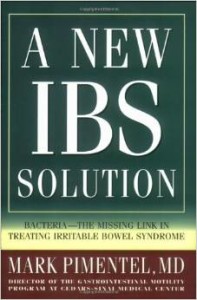
This is the book Dr Siebecker mentioned:  A New IBS Solution: Bacteria-The Missing Link in Treating Irritable Bowel Syndrome, written by Dr Mark Pimentel

mark pimentel IBS book


If you are not already registered for the Anxiety Summit you can get live access to the speakers of the day here: www.theAnxietySummit.com

Missed this interview or can’t listen live? Or want this and the other great interviews for your learning library? Purchase the MP3s or MP3s + transcripts and listen when it suits you.

You can find your purchasing options here: Anxiety Summit Season 1, Anxiety Summit Season 2, and Anxiety Summit Season 3.

Filed Under: Antianxiety, SIBO, The Anxiety Summit 3 Tagged With: Allison Siebecker, SIBO, SIBO symposium, small intestinal bacterial overgrowth, the anxiety summit, Trudy Scott

SIBO Symposium 2015

April 24, 2015 By Trudy Scott 6 Comments

2015 SIBO Symposium, June 6–7, 2015

Designed for the medical doctor, alternative medicine practitioner, and the public, the 2nd Annual SIBO Symposium features the nation’s leading experts on the topic to present an evidence-based educational program on managing small intestine bacterial overgrowth.

Small intestine bacterial overgrowth (SIBO) is a chronic bacterial colonization of the small intestine.  These bacteria normally live in the gastrointestinal tract, however, in SIBO they have overgrown in a location not meant for so many bacteria. The bacteria interfere with our normal digestion and absorption of food and are associated with damage to the lining or membrane of the small intestine. These mechanisms in turn lead to myriad other disorders—gastrointestinal, systemic, and neurological.

Presenters

Mark Pimentel, MD

Gerard Mullin, MD

Allison Siebecker, ND, MSOM, LAc

Leonard Weinstock, MD

Lisa Shaver, ND, MSOM, LAc

Steven Sandberg-Lewis, ND

Melanie Keller, ND

Mona Morstein, ND

Ilana Gurevich, ND

I’m planning to attend and look forward to hearing from these experts.

I recently had the pleasure of interviewing Dr. Allison Siebecker on The Anxiety Summit and really look forward to learning more from her and meeting her in person.

You can register for the SIBO Symposium 2015 here


Filed Under: Events, SIBO Tagged With: Allison Siebecker, SIBO, SIBO symposium

Customizing a Low FODMAPS Diet for a Client with Anxiety and/or Depression

January 19, 2015 By Trudy Scott 10 Comments

fodmaps-image

Here is an excerpt from a Dec 2014 paper called Review article: the aetiology, diagnosis, mechanisms and clinical evidence for food intolerance:

There have been significant advances in understanding the scientific basis of gastrointestinal food intolerance due to short-chain fermentable carbohydrates (FODMAPs). The most helpful diagnostic test for food intolerance is food exclusion to achieve symptom improvement followed by gradual food reintroduction. A low FODMAP diet is effective, however, it affects the gastrointestinal microbiota and FODMAP reintroduction to tolerance is part of the management strategy.

We’re seeing plenty of people with digestive issues like IBS (Irritable Bowel Syndrome) and SIBO (Small Intestinal Bacterial Overgrowth),  often with accompanying anxiety and depression, and a low FODMAPS diet may need to be considered. How do we know if we should consider it and how do we help out clients make this change?

This webinar is a way for you to learn more about FODMAPS for your clients and it’s a way for me to showcase the valuable work my friend Julie Matthews is doing in her BioIndividual Nutrition™ program. And for us to share the very cool new Victus software. I’ve actually signed up for the next training and I’m just super-excited to get the word out…which is another reason for the webinar! When I learn, I like to share what I learn!

Customizing a Low FODMAPS Diet for a Client with Anxiety and/or Depression

A webinar for health practitioners 
Food Mood Expert Trudy Scott interviews Julie Matthews, co-founder of BioIndividual Nutrition Institute

In this webinar, aimed at health practitioners, we will discuss:

  • The scientific rationale for recommending a Low FODMAPS (an acronym, deriving from “Fermentable, Oligo-, Di-, Mono-saccharides And Polyols) Diet for someone with anxiety/depression
  • Defining oligosaccharides (fructans and galacto-oligosaccharides); disaccharides (lactose); monosaccharides (fructose) and polyols (sugar alcohols and more)
  • What are high free fructose foods and the fructose malabsorption/anxiety and depression connection
  • How to do a low FODMAPs diet elimination/provocation
  • Why would you combine Low FODMAPS and SCD (Specific Carbohydrate Diet) for SIBO (Small Intestinal Bacterial Overgrowth)
  • How the Victus software helps you create a diet/recipes for the Low FODMAPs Diet
  • How to learn more about Julie Matthews’ Bioindividual Nutrition program (for practitioners), other special diets and the upcoming study group

Julie Matthews is a Certified Nutrition Consultant specializing in autism spectrum disorders, ADHD, and nutrition for pregnancy.  Her approached is based on the BioIndividual Nutrition™ needs of each person. She provides dietary guidance backed by scientific research and applied clinical experience. Her award winning book, Nourishing Hope for Autism, has helped people around the world to make food and nutrition choices that aid the health, learning, and behavior of those with autism, ADHD, and other developmental delays. She presents at leading autism conferences in the US and abroad, and is the Nutrition Editor of the Autism File magazine. She is on the scientific advisory board for USAAA (U.S. Autism & Asperger Association) and the Autism Nutrition Research Center. She is the co-founder of Nourishing Hope and BioIndividual Nutrition Institute. Julie has a private nutrition practice in San Francisco, California, and supports families and clinicians from around the world with her nutrition learning tools and professional training courses.

Here is the link to register for the webinar. If you can’t make it at this time, register anyway to get a copy of the notes and audio:

Update: this event is over (it was done Wednesday January 21st, 2015.)  Sorry you missed it!


Filed Under: Antianxiety, Anxiety and panic, Events Tagged With: anxiety, BioIndividual Nutrition Institute, depression, fodmaps, IBS, Julie Matthews, SIBO, Trudy Scott

  • « Go to Previous Page
  • Page 1
  • Page 2
  • Page 3

Primary Sidebar

NEW! GABA QuickStart Homestudy (with special intro pricing)

gaba quickstart homestudy

Free Report

9 Great Questions Women Ask about Food, Mood and their Health

You'll also receive a complimentary subscription to my ezine "Food, Mood and Gal Stuff"


Connect with me

Popular Posts

  • Amino Acids Mood Questionnaire from The Antianxiety Food Solution
  • The Antianxiety Food Solution Amino Acid and Pyroluria Supplements
  • Pyroluria Questionnaire from The Antianxiety Food Solution
  • Collagen and gelatin lower serotonin: does this increase your anxiety and depression?
  • Tryptophan for the worry-in-your-head and ruminating type of anxiety
  • GABA for the physical-tension and stiff-and-tense-muscles type of anxiety
  • The Antianxiety Food Solution by Trudy Scott
  • Seriphos Original Formula is back: the best product for anxiety and insomnia caused by high cortisol
  • Am I an anxious introvert because of low zinc and vitamin B6? My response to Huffington Post blog
  • Vagus nerve rehab with GABA, breathing, humming, gargling and key nutrients

Recent Posts

  • What do I use instead of Seriphos to help lower high cortisol that is affecting my sleep and making me anxious at night?
  • BeSerene™ GABA/theanine cream eases severe muscle tension in her neck/shoulders, prevents her bad headaches and quells her anxiety
  • How the correct approach, dose and sublingual use of GABA can be calming and not cause a flushed and itchy face and neck
  • The amino acid glutamine improves low mood by addressing gut health, and it has calming effects too
  • Flight anxiety with heightened breath, physical tension and also fearing the worst (the role of low GABA and low serotonin)

Categories

  • 5-HTP
  • AB575
  • Addiction
  • ADHD
  • Adrenals
  • Alcohol
  • Allergies
  • Alzheimer's disease
  • Amino Acids
  • Anger
  • Antianxiety
  • Antianxiety Food Solution
  • Antidepressants
  • Anxiety
  • Anxiety and panic
  • Autism
  • Autoimmunity
  • benzodiazapines
  • Bipolar disorder
  • Books
  • Caffeine
  • Cancer
  • Candida
  • Children/Teens
  • Collagen
  • Cooking equipment
  • Coronavirus/COVID-19
  • Cravings
  • Depression
  • Detoxification
  • Diabetes
  • Diet
  • DPA/DLPA
  • Drugs
  • EFT/Tapping
  • EMF
  • EMFs
  • Emotional Eating
  • Endorphins
  • Environment
  • Essential oils
  • Events
  • Exercise
  • Fear
  • Fear of public speaking
  • Fertility and Pregnancy
  • Fish
  • Food
  • Food and mood
  • Functional neurology
  • GABA
  • Gene polymorphisms
  • General Health
  • Giving
  • Giving back
  • Glutamine
  • Gluten
  • GMOs
  • Gratitude
  • Gut health
  • Heart health/hypertension
  • Histamine
  • Hormone
  • Hyperparathyroidism
  • Hypoglycemia
  • Immune system
  • Inflammation
  • Insomnia
  • Inspiration
  • Introversion
  • Joy and happiness
  • Ketogenic diet
  • Lithium orotate
  • Looking awesome
  • Lyme disease and co-infections
  • MCAS/histamine
  • Medication
  • Men's health
  • Mental health
  • Mercury
  • Migraine
  • Mold
  • Movie
  • MTHFR
  • Multiple sclerosis
  • Music
  • NANP
  • Nature
  • Nutritional Psychiatry
  • OCD
  • Osteoporosis
  • Oxalates
  • Oxytocin
  • Pain
  • Paleo
  • Parasites
  • Parkinson’s disease
  • PCOS
  • People
  • PMS
  • Postpartum
  • PTSD/Trauma
  • Pyroluria
  • Questionnaires
  • Real whole food
  • Recipes
  • Research
  • Schizophrenia
  • serotonin
  • SIBO
  • Sleep
  • Special diets
  • Sports nutrition
  • Stress
  • Sugar addiction
  • Sugar and mood
  • Supplements
  • Teens
  • Testimonials
  • Testing
  • The Anxiety Summit
  • The Anxiety Summit 2
  • The Anxiety Summit 3
  • The Anxiety Summit 4
  • The Anxiety Summit 5
  • The Anxiety Summit 6
  • Thyroid
  • Thyroid health
  • Toxins
  • Tryptophan
  • Tyrosine
  • Uncategorized
  • Vegan/vegetarian
  • Women's health
  • Yoga

Archives

  • October 2025
  • September 2025
  • August 2025
  • July 2025
  • June 2025
  • May 2025
  • April 2025
  • March 2025
  • February 2025
  • January 2025
  • November 2024
  • October 2024
  • September 2024
  • August 2024
  • July 2024
  • June 2024
  • May 2024
  • April 2024
  • March 2024
  • February 2024
  • January 2024
  • December 2023
  • November 2023
  • October 2023
  • September 2023
  • August 2023
  • July 2023
  • June 2023
  • May 2023
  • April 2023
  • March 2023
  • February 2023
  • January 2023
  • December 2022
  • November 2022
  • October 2022
  • September 2022
  • August 2022
  • July 2022
  • June 2022
  • May 2022
  • April 2022
  • March 2022
  • February 2022
  • January 2022
  • December 2021
  • November 2021
  • October 2021
  • September 2021
  • August 2021
  • July 2021
  • June 2021
  • May 2021
  • April 2021
  • March 2021
  • February 2021
  • January 2021
  • December 2020
  • November 2020
  • October 2020
  • September 2020
  • August 2020
  • July 2020
  • June 2020
  • May 2020
  • April 2020
  • March 2020
  • February 2020
  • January 2020
  • December 2019
  • November 2019
  • October 2019
  • September 2019
  • August 2019
  • July 2019
  • June 2019
  • May 2019
  • April 2019
  • March 2019
  • February 2019
  • January 2019
  • December 2018
  • November 2018
  • October 2018
  • September 2018
  • August 2018
  • July 2018
  • June 2018
  • May 2018
  • April 2018
  • March 2018
  • February 2018
  • January 2018
  • December 2017
  • November 2017
  • October 2017
  • September 2017
  • August 2017
  • July 2017
  • June 2017
  • May 2017
  • April 2017
  • March 2017
  • February 2017
  • January 2017
  • December 2016
  • November 2016
  • October 2016
  • September 2016
  • August 2016
  • July 2016
  • June 2016
  • May 2016
  • April 2016
  • March 2016
  • February 2016
  • January 2016
  • December 2015
  • November 2015
  • October 2015
  • September 2015
  • August 2015
  • July 2015
  • June 2015
  • May 2015
  • April 2015
  • March 2015
  • February 2015
  • January 2015
  • December 2014
  • November 2014
  • October 2014
  • September 2014
  • August 2014
  • July 2014
  • June 2014
  • May 2014
  • April 2014
  • March 2014
  • February 2014
  • January 2014
  • December 2013
  • November 2013
  • October 2013
  • September 2013
  • August 2013
  • July 2013
  • June 2013
  • May 2013
  • April 2013
  • March 2013
  • February 2013
  • January 2013
  • December 2012
  • November 2012
  • October 2012
  • August 2012
  • July 2012
  • June 2012
  • May 2012
  • April 2012
  • March 2012
  • February 2012
  • January 2012
  • December 2011
  • November 2011
  • October 2011
  • September 2011
  • August 2011
  • July 2011
  • June 2011
  • May 2011
  • April 2011
  • March 2011
  • February 2011
  • January 2011
  • December 2010
  • October 2010
  • September 2010
  • July 2010
  • May 2010
  • April 2010
  • March 2010
  • February 2010
  • January 2010
  • November 2009

Share the knowledge!

The above statements have not been evaluated by the Food and Drug Administration. Products listed in this website are not intended to diagnose, treat, cure or prevent any disease.

The information provided on this site is for informational and educational purposes only and is not intended as a substitute for advice from your physician or other health care professional. You should consult with a healthcare professional before starting or modifying any diet, exercise, or supplementation program, before taking or stopping any medication, or if you have or suspect you may have a health problem.


Copyright © 2026 Trudy Scott. All Rights Reserved. | Privacy | Terms and Conditions | Refund Policy | Medical Disclaimer

Free Report

9 Great Questions Women Ask about Food, Mood and their Health

You’ll also receive a complimentary subscription to my ezine “Food, Mood and Gal Stuff”