Devon is looking for input on using a GABA cream product to help her anxious 9-year old son who has some anger and sensory issues. She’d like advice on timing too. He is a picky eater and doesn’t like GABA Calm. I share my insights about using GABA cream for raising levels of GABA (a calming neurotransmitter), some of the GABA sensory connections, the GABA anger connections and other factors to address (nutritional imbalances, diet and infections).
Here is her question and some additional background information from our online discussion:
My son has SPD/GAD (sensory processing disorder/generalized anxiety disorder). His anxiety is causing school refusal and a lot of angry outbursts. I suspect PANDAS but his primary care doctor doesn’t think he has that (I might try a different path).
He doesn’t have a problem with sleep, it is mostly anxiety/anger in the day. I am wondering if he can use this GABA cream during the day vs at night?Or would applying this at night help him through the day?
I am really hopeful that the GABA cream will help him attain a little more peace in his days.
Devon doesn’t recall if ARFID (Avoidant restrictive food intake disorder) was part of his diagnosis but he is a picky eater and
has a carb heavy diet that centers only around certain foods. He recently added corn on the cob and artichokes.
He has tried GABA here and there but can’t get past the flavor of the chewable so has never taken it consistently.
Any thoughts on this would be great. I have learned so much from your blog. Thank you for all of the info you share.
Using GABA cream for a child with these symptoms
Devon asked this question on the Somnium Nighttime GABA Cream blog where I write about using it for insomnia, anxiety, bloated belly, muscle spasms, MS (multiple sclerosis), ARFID, anorexia, Alzheimer’s and autism.
I shared that I’ve had many parents use GABA cream during the day with success to help with anxious feelings their children are experiencing. With sleep not being an issue for her son I would start really low and increase the amount and timing from there based on symptom resolution. A pea-size amount is recommended and I’d start with a 1/4 of this in the morning before school when the symptoms are causing school refusal.
Devon doesn’t mention if they noticed benefits with GABA Calm but we use sublingual /powder/liposomal GABA in a similar way. So when this has helped in the past it’s a good clue that GABA cream will help.
Sublingual /powder/ liposomal GABA is typically used morning, mid-morning, mid-afternoon, evening and during the night if needed. Similar timing can be followed with the cream, however, for some children (and adults) just once a day may be enough with additional use based on the situation, for example anger outbursts at a play date. The key to use is to start low and go slow and figure out what works for each child’s unique needs. More severe symptoms don’t necessarily mean more GABA is needed. The other key is consistency in order to increase GABA levels.
It can be applied behind the ears, inner forearm and belly but keep in mind that mom or the caregiver applying it will be getting a dose of GABA too.
A clue that too much is being used is increased sleepiness. If benefits are seen but the child is too sleepy another option is to use it at night and observe if benefits are carried through to the next day.
The GABA research: autism, social impairment and sensory issues
In this paper looking at autistic children, the authors report “increased cerebellar glutamate levels compared to neurotypical children” which means lower GABA levels. They also found that “altered excitatory/inhibitory signaling in the cerebellum was more clear-cut when analyses were restricted to male participants.” And this altered signaling of GABA/glutamate correlated with “more severe social impairment” in males.
This paper looking at adults with autism highlights the relationships “between sensory processing difficulties, loneliness, and anxiety.” And another study identifies “reduced inhibitory neurotransmission (reduced GABA) in a higher-order motor area, which modulates motor commands and integrates multiple sensory modalities” and “may underlie sensory hyper-responsiveness in ASD (autism spectrum disorder).”
Although Devon’s son hasn’t been diagnosed with autism, many of the studies have been done in this population and much can be gleaned from them.
There is also much clinical evidence supporting how GABA can help in situations like this and it’s not only in boys. This blog is just one example that highlights how GABA Calm helped a young girl improve her sleep issues, anxiety feelings and sensorimotor skills.
Picky eating, carb cravings, ARFID and the neurotransmitters
When the picky eating and carb cravings are driven by low GABA and stress/physical anxiety, GABA cream can help reduce those in the same way sublingual GABA does.
Anger is typically associated with low serotonin but can often be low GABA too. More here – GABA helps ease symptoms of anger, rage, and dark moods. I share one paper that reports “Gamma-aminobutyric acid (GABA), the primary inhibitory neurotransmitter, may be critical in the neurochemical control of aggressive behavior.”
I’d also consider low serotonin as a possible contributing factor because other signs are increased anxious feelings, and also late afternoon and evening cravings.
Devon is not sure if ARFID is part of her son’s diagnosis but addressing low serotonin can help if there is an element of fear around eating too. More on ARFID here.
Just like we track his anxious feelings and outburst of anger, tracking his eating is important too. And introducing one amino acid at a time so there is no confusion as to which one is helping which symptoms.
Pyroluria, low zinc, low vitamin B6, low magnesium and dietary factors
Zinc, vitamin B6 and magnesium are needed for neurotransmitter production i.e. to make GABA and serotonin. They are also very common deficiencies and looking at and addressing low levels are important. Zinc also affects appetite and low levels can make sensory issues more severe.
Devon shares that suspects his zinc levels a few years ago were good, based on the liquid zinc test. Levels can change and given her son’s school refusal I’d assess for the social anxiety condition called pyroluria (zinc and vitamin B6 are key). The liquid zinc is also a great way to increase zinc since it tastes like water if you are deficient.
Topical magnesium is an excellent option – as a spray, a roller (she has been using this with him) – or epsom salts baths are another option for increasing magnesium.
As always dietary factors need to be addressed as and when his sensory issues improve: real whole food, quality animal protein (especially at breakfast for blood sugar control), organic fruits and veggies, healthy fats, fermented veggies, gluten-free (and possibly grain-free), sugar-free and caffeine-free. And special diets may need to be considered too – low oxalate, low salicylate, low glutamate and/or low phenol.
PANDAS, Lyme disease and addressing the infection/s
Devon mentions that she suspects PANDAS (Pediatric Autoimmune Neuropsychiatric Disorders Associated with Streptococcal Infections) and it’s unfortunate that she is being dismissed but sadly it’s not unusual. It’s important to find a doctor who will support her in getting testing for this and either ruling it out or addressing the infection/s. You can read more about PANDAS and PANS here.
She doesn’t mention Lyme disease but I’m mentioning it because many infections can cause neuropsychiatric symptoms and should be considered.
The good news is that supporting low GABA, low serotonin and other imbalances, does provide much symptom relief. But we always want to get to the root cause as to why there are imbalances.
A topical GABA product: Somnium
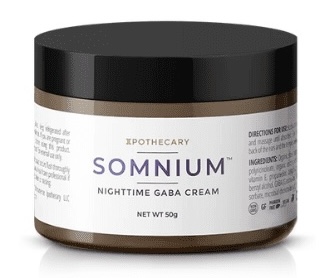
Use this link to read more about Somnium and get the coupon code.
Additional resources when you are new to using GABA and other amino acids as supplements
As a reminder, low GABA can cause physical tension, anxious feelings, feelings of panic and problems sleeping, as well as self–medicating with alcohol or carbs to relax or fit in. As always, I use the symptoms questionnaire to figure out if low GABA or other neurotransmitter imbalances may be an issue.
If you suspect low levels of any of the neurotransmitters and do not yet have my book, The Antianxiety Food Solution – How the Foods You Eat Can Help You Calm Your Anxious Mind, Improve Your Mood, and End Cravings, I highly recommend getting it and reading it before jumping in and using amino acids on your own so you are knowledgeable. And be sure to share it with the practitioner/health team you or your loved one is working with.
There is an entire chapter on the amino acids and they are discussed throughout the book in the sections on gut health, gluten, blood sugar control (this is covered in an entire chapter too), sugar cravings, anxiety and mood issues.
The book doesn’t include product names (per the publisher’s request) so this blog, The Antianxiety Food Solution Amino Acid and Pyroluria Supplements, lists the amino acids that I use with my individual clients and those in my group programs (over and above the topical GABA product I mentioned above).
If, after reading this blog and my book, you don’t feel comfortable figuring things out on your own (i.e. doing the symptoms questionnaire and respective amino acids trials), a good place to get help is the GABA QuickStart Program (if you have low GABA symptoms too). This is a paid online/virtual group program where you get my guidance and community support.
If you are a practitioner, join us in The Balancing Neurotransmitters: the Fundamentals program. This is also a paid online/virtual program with an opportunity to interact with me and other practitioners who are also using the amino acids.
Wrapping up and your feedback
I do always appreciate questions like this so keep them coming so I can share and educate further. I will also update this blog once I hear back from Devon. She has purchased Somnium GABA Cream and plans to have her son use it.
And keep in mind, although this blog is specific for sensitive children and teens, it’s applicable to adults and folks who prefer a cream to a supplement.
Now I’d love to hear from you – does your child have low GABA levels and have you considered using a GABA cream?
If you have had success with Somnim please do share how it helps, how much you use and where you apply it?
Have you also addressed other nutritional imbalances, infections and diet?
If you’re a practitioner do you use GABA cream with your clients/patients?
And please let me know if it’s helpful that I’m now including product recommendations and where to get them.
Feel free to share and ask your questions below.