• Skip to primary navigation
  • Skip to main content
  • Skip to primary sidebar

everywomanover29 blog

Food, Mood and Women's Health – Be your healthiest, look and feel great!

  • Blog
  • About
  • Services
  • Store
  • Resources
  • Testimonials
  • The Book
  • Contact
  • Search this site

obsessive compulsive disorder

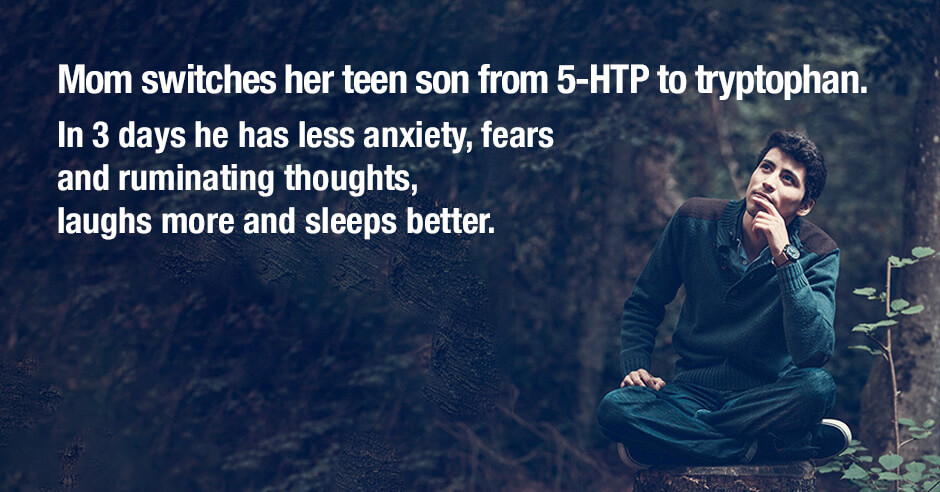
Mom switches her teen son from 5-HTP to tryptophan. In 3 days he has less anxiety, fears and ruminating thoughts, laughs more and sleeps better.

February 16, 2024 By Trudy Scott 40 Comments

5-HTP to Tryptophan

My son has autism and OCD. I took him off fluvoxamine in May and used cbd and some other things and he was doing fine up until this past winter. He began having irrational fears and ruminating thoughts/fears that would not stop! I started 5-HTP, theanine, B12, probiotics with him for the last month and did not see any improvement. I was ready to go back to the medication when I came across your blog and information.

I assumed 5-HTP would be better for OCD, but after reading your comments you mentioned that you just switch to tryptophan if the 5-HTP is not working. I had tryptophan at home already. That night I emptied half a capsule into a little stevia flavored water and had him hold it in his mouth for a minute.

He was a different kid after that!!!! This is just the 3rd day but even his teachers are telling me he is doing really well and is less anxious at school. I am so thankful! I am now giving him 500mg in the morning and early evening.

I bought some inositol and plan to try adding that in the afternoons to see if that will help as well. I believe that he has PANDAS. He is a hand washer, and spits a lot, and has lots of other quirks that I would love to see decrease.

I have hope again! I am buying your book so that I can get a good plan going for him. If you have any other suggestions for him please let me know!!

This wonderful feedback was posted in the comments of one of the tryptophan blogs. I’m so thrilled for this mom and young man (he’s almost 20). I thanked her for sharing all this on the blog and offered to share additional generic feedback via a new blog post. I also asked for additional feedback on exactly how the tryptophan helped (more on that below).

Read on to learn how tryptophan helped with his ruminating thoughts, fears, crying and improved his sleep. And my insights about the ideal timing of tryptophan, finding the optimal dose and why it may work when 5-HTP doesn’t. I also share some insights about inositol and  OCD (obsessive compulsive disorder).

Low serotonin symptoms and the questions I had about his symptoms

I do hope he continues to see these benefits. Seeing such amazing results in 3 days is always what we’re looking for and it’s not unexpected to get such profound results so quickly!

I had some additional questions so I could share some general feedback as to how I work in situations like this. I wanted to know his age and if the switch to tryptophan helped any of his OCD symptoms and if yes how many notches improvement?

And which of the classic low serotonin symptoms the tryptophan helped and by how much: anxiety? irrational fears? and ruminating thoughts/fears? anything else? (all the low serotonin symptoms here)

Knowing this helps me know if I’m on track with a client i.e. the tryptophan is helping with low serotonin symptoms. And it also helps me decide we should consider increasing the dose and possibly adjust the number of times to use tryptophan. I share more about this below.

Tryptophan helps reduce his ruminating thoughts, fear and anxiety. And he’s laughing more and sleeps better

She shared some specific examples as to how much the tryptophan helps reduce his ruminating thoughts, fear and anxiety. And he’s laughing more and it helps him sleep:

He would often call me or text me throughout the day with questions about his health, and he would come to me 10-15 times in the afternoons/evenings, for about 3 weeks or so, and ask me the same questions about a rare disease that he believed he had.

He would cry and shake with fear and anxiety at some point and I would need to reassure him over and over again that he did not have this disease, and that it was literally impossible for him to have it.

After starting the tryptophan supplements 2x500mg morning/early evening he did not come to me at all and seemed content the 1st day.

Yesterday, he didn’t get the 2nd tryptophan until 5pm so he did come to me with 1 question/concern. I reassured him and he seemed fine especially after his supplement. Then 1 more question later that night but he accepted my reassurance both times and let it go.

So that was a big difference compared to the last 4 weeks. He was also laughing at some cartoon he was watching which I had not seen him do for a month either. Anxiety is less. He is sleeping better too. So far he still seems to believe the irrational things.

Tryptophan is clearly helping so many of his symptoms but we have more opportunities for further gains with tryptophan.

Tryptophan for low serotonin: dosing and timing

As I share in my book and other blog posts, typically 500 mg tryptophan twice a day is a good starting dose, used away from protein mid-afternoon and evening. It’s used like this because serotonin starts to decline in the afternoon. We increase based on individual needs to find the ideal dose. We may also add tryptophan or 5-HTP earlier in the day.

In a situation like this, if we were working together, I’d consider the following:

  • Adding a mid-afternoon dose of tryptophan
  • A switch to just afternoon and evening dosing (unless the morning dose was used for a specific reason i.e. morning symptoms)
  • Adding a second dose of tryptophan each time (he is using Nature Stacks Serotonin Brain Food and I’d recommend Lidtke 500 mg tryptophan for the second dose each time because it contains only tryptophan)

With changes we do one thing at a time and track symptom improvements carefully.

Tryptophan vs 5-HTP?

I commend her for figuring out the switch from 5-HTP to tryptophan.

It’s a well known fact that some folks just do better on one vs the other and if 5-HTP isn’t working I’ll have clients switch to tryptophan and vice versa. I typically start with tryptophan because it seems to be better tolerated. The biggest issue that I see with 5-HTP is that it’s often not tolerated if you have high cortisol. It can also cause nightmares for some folks.

Precaution about serotonin syndrome with tryptophan/5-HTP

There are precautions when using certain amino acids and I always review them with all my clients. If they have been prescribed an SSRI, I have them discuss the use of tryptophan/5-HTP with their prescribing doctor so they can be monitored for serotonin syndrome. With careful monitoring and doctor approval I feel comfortable having my clients use tryptophan/5-HTP 6 hours away from their one and only SSRI.

If they are using more than one SSRI and/or a combination of psychiatric medications, the use of tryptophan/5-HTP is not advised.

None of the above applied in this situation but it’s important to be aware of.

Inositol and OCD: when to consider adding it?

OCD or even mildly obsessive behaviors or thoughts can be a sign of low serotonin. I will do a trial of tryptophan as above and for some folks it’s often enough. Sometimes tryptophan at least helps to some degree and when it’s not enough, adding inositol (a B vitamin) takes it to the next level.

For many folks 500 -1000 mg capsules are typically recommended but this is a really low dose for OCD. The powdered form is really effective because you can increase as needed. You can actually go as high as 18g. I start low, with 1-2g in kids and adults, and keep going up by 2g a week until the obsessive symptoms disappear. More on inositol and OCD here.

GABA, dopamine and endorphin support too

She mentions that her son “seems to be low serotonin, low GABA (1st 1/2 of the list), low endorphins and low catecholamines” so other amino acids are likely to be of benefit too.

As always we used the neurotransmitter symptoms questionnaire and do trials of each amino acid: GABA for low GABA symptoms, DPA for low endorphins and tyrosine for low dopamine. These trials of each one are done one at a time with careful tracking to find the ideal dose before layering in the next amino acid.

Using the amino acids so it’s easy to reduce sugar and go gluten-free

I also asked what dietary changes he has already made and she responded: “We are in the  process of reducing sugar and going back to gluten-free as much as possible but this will be hardest to stick to. Have done a keto-like and gluten-free-casein-free diet on and off since he was 4 years old.”

This is a great start and using the amino acids help reduce cravings and make it easy to reduce sugar and go gluten-free.

There is a sugar cravings aspect to all the neurotransmitter imbalances. The type of craving can be found on the above symptoms questionnaire. It’s not uncommon to need support in more than one area:

  • Low serotonin – tryptophan or 5-HTP for afternoon/evening cravings
  • Low endorphins – DPA for comfort/reward eating
  • Low catecholamines – tyrosine for low energy sugar cravings
  • Low GABA – GABA for stress eating

You can read more about this here: The individual amino acids glutamine, GABA, tryptophan (or 5-HTP), DPA and tyrosine are powerful for eliminating sugar cravings, often within 5 minutes

I’m glad she is getting a copy of my book The Antianxiety Food Solution. It has all the foundational dietary information, sections on cravings and a chapter on the amino acids.

It also has a chapter on pyroluria, which is very common in autism and something I help most of my clients address. Here is the pyroluria questionnaire.

Tryptophan and inositol product options
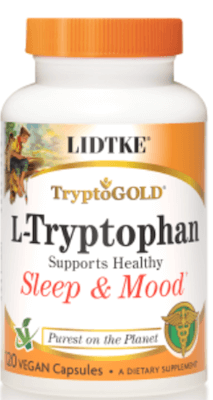
lydke l-tryptophan
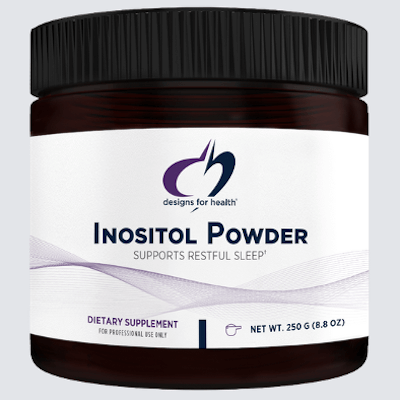
inositol powder

Products I recommend include Lidtke 500 mg Tryptophan and Designs for Health Inositol Powder.  You can purchase these from my online store (Fullscript – only available to US customers – use this link to set up an account).
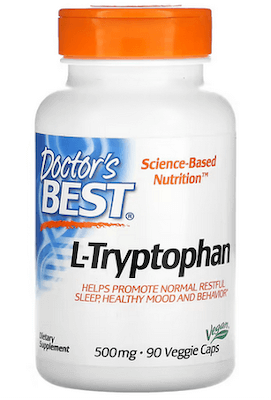
doctor's best l-tryptophan
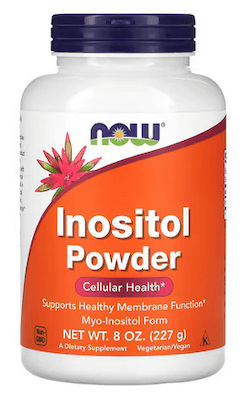
now inositol powder

If you’re not in the US, Doctor’s Best L-Tryptophan 500mg and Now Inositol Powder are products I recommend on iherb (use this link to save 5%).

Additional resources when you are new to using tryptophan and other amino acids as supplements

We use the symptoms questionnaire to figure out if low serotonin or other neurotransmitter imbalances may be an issue for you.

If you suspect low levels of any of the neurotransmitters and do not yet have my book, The Antianxiety Food Solution – How the Foods You Eat Can Help You Calm Your Anxious Mind, Improve Your Mood, and End Cravings, I highly recommend getting it and reading it before jumping in and using amino acids on your own so you are knowledgeable. And be sure to share it with the practitioner/health team you or your loved one is working with.

There is an entire chapter on the amino acids and they are discussed throughout the book in the sections on gut health, gluten, blood sugar control (this is covered in an entire chapter too), sugar cravings, anxiety and mood issues. The importance of quality animal protein and healthy fats is also covered.

The book doesn’t include product names (per the publisher’s request) so this blog, The Antianxiety Food Solution Amino Acid and Pyroluria Supplements, lists the amino acids that I use with my individual clients and those in my group programs.

If, after reading this blog and my book, you don’t feel comfortable figuring things out on your own (i.e. doing the symptoms questionnaire and respective amino acids trials), if you need serotonin support, the Serotonin QuickStart Program is a good place to start. This is a paid online/virtual group program where you get my guidance on using tryptophan and 5-HTP safely, and community support during 5 LIVE Q&A calls. You can sign up to be notified when the next live launch of this program is happening. We take a deep dive into product options including Lidtke products and others if you’re not able to access Lidtke.

If you also have low GABA symptoms, the next step to get help is the GABA QuickStart Program. This is also a paid online/virtual group program where you get my guidance and community support. Another option is the budget-friendly GABA QuickStart Homestudy program.

If you are a practitioner, join us in The Balancing Neurotransmitters: the Fundamentals program. This is also a paid online/virtual program with an opportunity to interact with me and other practitioners who are also using the amino acids.

Now I’d like to hear from you

Have you had success with tryptophan for anxiety, fears, crying and ruminations? And has it also helped with sleep, how happy you feel and reduced cravings? Has it also helped with OCD?

Did you first trial 5-HTP and then found tryptophan worked better or vice versa?

If yes, what dose and when do you use it?

What about using inositol to further reduce OCD? And what dose helped?

If you’re a practitioner do you use tryptophan and/or inositol with clients/patients with these low serotonin symptoms?

And please let me know if it’s helpful that I’m now including product recommendations and where to get them?

Feel free to share and ask your questions below.
Filed Under: Anxiety and panic, Children/Teens, Cravings, OCD, Tryptophan Tagged With: 5-HTP, amino acids, anxiety, anxious, autism, crying, fears, GABA Quickstart; Balancing Neurotransmitters: the Fundamentals program for practitioners, inositol, laughs, neurotransmitters, obsessive compulsive disorder, OCD, ruminating thoughts, ruminations, sleeps, teen, tryptophan

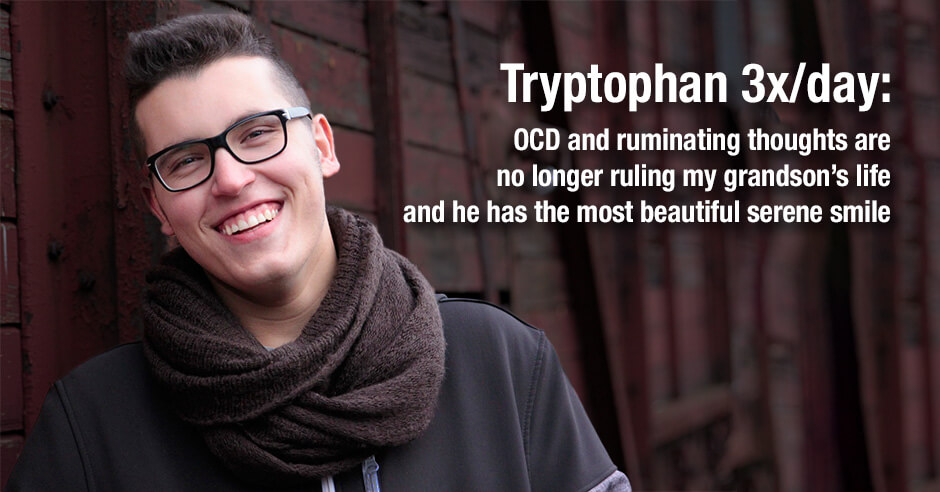
Tryptophan 3x/day: OCD and ruminating thoughts are no longer ruling my grandson’s life and he has the most beautiful serene smile

December 15, 2023 By Trudy Scott 34 Comments

tryptophan 3 times a day

I recently received this wonderful feedback from a grandmother who is so happy about tryptophan helping her 17-year old grandson. He had been struggling with OCD (obsessive compulsive disorder) and ruminating thoughts for years:

We started with Lidtke L-Tryptophan Chewables. I was thrilled beyond my greatest hopes to see that it helped immediately! So, we went forward with having him chew a tryptophan when the thoughts started taking hold. This helped for a while, but the thoughts would return.

Finally I read one mother on your blog who gave her son tryptophan 3x/day. So we tried this. That was the magic bullet for my grandson. Getting the tryptophan in before the thoughts could take hold made the difference. And so we have stuck with this plan and have been so happy to see that OCD is no longer ruling my grandson’s life.

Last week I heard the most beautiful words I could imagine. “Hey grandma! The OCD is permanently gone!” Truly a miracle! That’s how it feels to him. As long as we continue to take the tryptophan 3x/day, there is no sign of OCD or ruminating thoughts!

We keep GABA Calm on hand as well and if a bothersome thought enters his mind, he chews a GABA and we don’t hear any more about it.

I honestly don’t even know how to tell you what a blessing your information has been to my grandson. He has the most beautiful, serene smile almost all the time now.

In all my reading and searching for all these years, you’re the only one I saw talking about this. Thank you, from the bottom of my heart, for guiding us to giving this kid his life back. I pray that all the good things you have done to help people come back to you tenfold, Trudy. You are a Godsend.

How much tryptophan helped him and why using it 3 x a day was key

The amino acid tryptophan, used as a supplement, supports low serotonin levels which can cause the worry type of anxiety, ruminating thoughts and OCD (behaviors and thoughts). You can see all the low serotonin symptoms here.

Each of the Lidtke L-Tryptophan Chewables provides 100 mg tryptophan which is often a great starting dose for children and teens. Because it’s chewable and tastes sweet it’s also a great format for children and teens (and “pixie dust” adults who need a very small amount). The bad aspect is that it does contain sugar and is quite sweet. Because you are continually consuming something sweet you may end up over-consuming them if sugar addiction is your issue.

As you can see 100 mg tryptophan did provide some relief in the moment but using the amino acids consistently throughout the day is what I always recommend for best results. In this instance 100 mg tryptophan 3x day worked perfectly for this young man.

Keep in mind there is no one-size fits all for dosing and 100 mg tryptophan x3 per day is considered quite low with many individuals needing 500-1000 mg tryptophan two or three times a day. Also some individuals do better on 5-HTP so this should always be considered too (10 mg 5-HTP is equivalent to 100 mg tryptophan).

Precaution about serotonin syndrome with tryptophan/5-HTP

There are precautions when using certain amino acids and I always review them with all my clients. If they have been prescribed an SSRI, I have them discuss the use of tryptophan/5-HTP with their prescribing doctor so they can be monitored for serotonin syndrome. With careful monitoring and doctor approval I feel comfortable having my clients use tryptophan/5-HTP 6 hours away from their one and only SSRI.

If they are using more than one SSRI and/or a combination of psychiatric medications, the use of tryptophan/5-HTP is not advised.

None of the above applied in this situation but it’s important to be aware of.

How GABA also helps and my recommendation about consistent use too

The amino acid GABA, used as a supplement, supports low GABA levels which can cause  physical anxiety and tension, and also an inability to stop intrusive thoughts. You can see all the low GABA symptoms here.

Each GABA Calm provides 125 mg GABA and he uses it as needed: “We keep GABA Calm on hand as well and if a bothersome thought enters his mind, he chews a GABA.”

My recommendation is to assess for low GABA symptoms and consider using GABA consistently throughout the day, typically 2-4 x day.

OCD research: glutamatergic and serotonergic pathway dysregulation

This 2011 paper, Nutraceuticals in the treatment of obsessive compulsive disorder (OCD): a review of mechanistic and clinical evidence, states the following:

Current preclinical research investigating nutraceuticals (natural products) for OCD, reveals encouraging novel activity in modulating key pathways suggested to be involved in the pathogenesis of OCD (glutamatergic and serotonergic pathway dysregulation).

With glutamatergic pathway dysregulation, we would expect GABA to help; and with serotonergic pathway dysregulation, we would expect tryptophan (or 5-HTP to help), as this young man found.

However there are no studies that have used tryptophan for OCD and the above paper concludes that “the serotonin precursor tryptophan is unlikely to be of use in treating OCD while 5-HTP may possibly be a more effective precursor strategy.” The authors state this about 5-HTP because it has been used with success for OCD in conjunction with medication (read the study here).

This lack of research on tryptophan for OCD is one of the reasons I feel compelled to share wonderful success stories like this. And until we have tryptophan research, we must use what we see works clinically and recognize that tryptophan and 5-HTP work in very similar ways.

Other nutrients when tryptophan or 5-HTP or GABA doesn’t help

The above paper does mention other nutrients that are tentatively supported by research and which modulate these pathways: N-acetylcysteine (NAC), myo-inositol, glycine, and milk thistle.

These nutrients could be considered when tryptophan or 5-HTP or GABA doesn’t help or doesn’t help enough. I’ve had much success with myo-inositol for OCD and have always used it in conjunction with tryptophan or 5-HTP. We start with tryptophan or 5-HTP and find a good base line and then add inositol, starting with 500 mg and working up to 18 g/day (as reported in the research).

As you can see, in one study, NAC was shown to be helpful for trichotillomania, a behavioral disorder characterized by the recurring or obsessive habit of pulling one’s hair, resulting in secondary alopecia. I blogged about this here.

They tried many approaches and it took 3 years before they used the amino acids

Patricia, the grandmother, also shared what other approaches they had tried from the age of 14-17 years before seeing success with tryptophan and GABA: therapy, tapping, breathing techniques, acupuncture, yoga and tai chi. None of this helped enough and they rejected pharmaceutical approaches.

It breaks my heart that it took 3 years for her grandson to find relief:

I have been reading your information on OCD for several years (in all my reading and searching for all these years, you’re the only one I saw talking about this) and though I thought it was the best hope I’d heard of for stopping OCD and ruminating thoughts, I was afraid to try the amino acids because I knew so little about them.

So I studied and studied and gained confidence by reading the published reports that seemed to back up what you said about amino acids.

Still, since I was hoping to help my grandson, who was 14 at the time, I was overly cautious. I’m not a medical professional and I’m aware that even really safe and effective treatments can change more than just the issue I was hoping to address.

So, more reading and searching ensued. Meanwhile my grandson’s life was deteriorating. He couldn’t function in many ways because he had no peace. Even sleep was difficult because the thoughts wouldn’t rest – the poor kid had no time at all when his mind wasn’t racing. It broke my heart to see him suffer so much.

Finally, I got the strength to trust my gut and try the amino acids.

I admire Patricia for reading, searching and studying and finally being well-informed enough to  help her grandson. And then sharing his story with me so I can share it here with you. She was inspired by one of my other blogs and hopefully you will be inspired and motivated by this wonderful success story.

My hope, with stories like this, is that the amino acids and nutritional approaches are considered first and not after all else has failed. 

Additional resources when you are new to using tryptophan, 5-HTP, GABA and the other amino acids as supplements

We use the symptoms questionnaire to figure out if low serotonin or low GABA may be an issue for you.

If you suspect low levels of any of the neurotransmitters and do not yet have my book, The Antianxiety Food Solution – How the Foods You Eat Can Help You Calm Your Anxious Mind, Improve Your Mood, and End Cravings, I highly recommend getting it and reading it before jumping in and using amino acids on your own so you are knowledgeable. And be sure to share it with the practitioner/health team you or your loved one is working with.

There is an entire chapter on the amino acids and they are discussed throughout the book in the sections on gut health, gluten, blood sugar control, sugar cravings, anxiety and mood issues.

The book doesn’t include product names (per the publisher’s request) so this blog, The Antianxiety Food Solution Amino Acid and Pyroluria Supplements, lists the amino acids that I use with my individual clients and those in my group programs. You can find them all – including the Lidtke Tryptophan Chewable product – in my online store.

If, after reading this blog and my book, you don’t feel comfortable figuring things out on your own (i.e. doing the symptoms questionnaire and respective amino acids trials), a good place to get help is the GABA QuickStart Program (if you have low GABA symptoms too). This is a paid online/virtual group program where you get my guidance and community support.

If you are a practitioner, join us in The Balancing Neurotransmitters: the Fundamentals program. This is also a paid online/virtual program with an opportunity to interact with me and other practitioners who are also using the amino acids.

Have you had success using tryptophan (or 5-HTP) and GABA this way for your OCD and ruminating thoughts or for a loved one? If yes, how much helps?

If you’re a practitioner do you have success using tryptophan (or 5-HTP) and GABA this way with your clients/patients who have OCD and ruminating thoughts?

Feel free to share and ask your questions below.

Filed Under: 5-HTP, Children/Teens, GABA, OCD, Tryptophan Tagged With: 5-HTP, amino acids, anxiety, GABA, GABA Calm, glutamatergic, inositol; GABA Quickstart; Balancing Neurotransmitters: the Fundamentals program for practitioners, Lidtke L-Tryptophan Chewables, NAC, obsessive compulsive disorder, OCD, ruminating thoughts, serene, serotonergic, serotonin, teen, tryptophan

Primary Sidebar

NEW! GABA QuickStart Homestudy (with special intro pricing)

gaba quickstart homestudy

Free Report

9 Great Questions Women Ask about Food, Mood and their Health

You'll also receive a complimentary subscription to my ezine "Food, Mood and Gal Stuff"


Connect with me

Popular Posts

  • Amino Acids Mood Questionnaire from The Antianxiety Food Solution
  • The Antianxiety Food Solution Amino Acid and Pyroluria Supplements
  • Pyroluria Questionnaire from The Antianxiety Food Solution
  • Collagen and gelatin lower serotonin: does this increase your anxiety and depression?
  • Tryptophan for the worry-in-your-head and ruminating type of anxiety
  • GABA for the physical-tension and stiff-and-tense-muscles type of anxiety
  • The Antianxiety Food Solution by Trudy Scott
  • Seriphos Original Formula is back: the best product for anxiety and insomnia caused by high cortisol
  • Am I an anxious introvert because of low zinc and vitamin B6? My response to Huffington Post blog
  • Vagus nerve rehab with GABA, breathing, humming, gargling and key nutrients

Recent Posts

  • What do I use instead of Seriphos to help lower high cortisol that is affecting my sleep and making me anxious at night?
  • BeSerene™ GABA/theanine cream eases severe muscle tension in her neck/shoulders, prevents her bad headaches and quells her anxiety
  • How the correct approach, dose and sublingual use of GABA can be calming and not cause a flushed and itchy face and neck
  • The amino acid glutamine improves low mood by addressing gut health, and it has calming effects too
  • Flight anxiety with heightened breath, physical tension and also fearing the worst (the role of low GABA and low serotonin)

Categories

  • 5-HTP
  • AB575
  • Addiction
  • ADHD
  • Adrenals
  • Alcohol
  • Allergies
  • Alzheimer's disease
  • Amino Acids
  • Anger
  • Antianxiety
  • Antianxiety Food Solution
  • Antidepressants
  • Anxiety
  • Anxiety and panic
  • Autism
  • Autoimmunity
  • benzodiazapines
  • Bipolar disorder
  • Books
  • Caffeine
  • Cancer
  • Candida
  • Children/Teens
  • Collagen
  • Cooking equipment
  • Coronavirus/COVID-19
  • Cravings
  • Depression
  • Detoxification
  • Diabetes
  • Diet
  • DPA/DLPA
  • Drugs
  • EFT/Tapping
  • EMF
  • EMFs
  • Emotional Eating
  • Endorphins
  • Environment
  • Essential oils
  • Events
  • Exercise
  • Fear
  • Fear of public speaking
  • Fertility and Pregnancy
  • Fish
  • Food
  • Food and mood
  • Functional neurology
  • GABA
  • Gene polymorphisms
  • General Health
  • Giving
  • Giving back
  • Glutamine
  • Gluten
  • GMOs
  • Gratitude
  • Gut health
  • Heart health/hypertension
  • Histamine
  • Hormone
  • Hyperparathyroidism
  • Hypoglycemia
  • Immune system
  • Inflammation
  • Insomnia
  • Inspiration
  • Introversion
  • Joy and happiness
  • Ketogenic diet
  • Lithium orotate
  • Looking awesome
  • Lyme disease and co-infections
  • MCAS/histamine
  • Medication
  • Men's health
  • Mental health
  • Mercury
  • Migraine
  • Mold
  • Movie
  • MTHFR
  • Multiple sclerosis
  • Music
  • NANP
  • Nature
  • Nutritional Psychiatry
  • OCD
  • Osteoporosis
  • Oxalates
  • Oxytocin
  • Pain
  • Paleo
  • Parasites
  • Parkinson’s disease
  • PCOS
  • People
  • PMS
  • Postpartum
  • PTSD/Trauma
  • Pyroluria
  • Questionnaires
  • Real whole food
  • Recipes
  • Research
  • Schizophrenia
  • serotonin
  • SIBO
  • Sleep
  • Special diets
  • Sports nutrition
  • Stress
  • Sugar addiction
  • Sugar and mood
  • Supplements
  • Teens
  • Testimonials
  • Testing
  • The Anxiety Summit
  • The Anxiety Summit 2
  • The Anxiety Summit 3
  • The Anxiety Summit 4
  • The Anxiety Summit 5
  • The Anxiety Summit 6
  • Thyroid
  • Thyroid health
  • Toxins
  • Tryptophan
  • Tyrosine
  • Uncategorized
  • Vegan/vegetarian
  • Women's health
  • Yoga

Archives

  • October 2025
  • September 2025
  • August 2025
  • July 2025
  • June 2025
  • May 2025
  • April 2025
  • March 2025
  • February 2025
  • January 2025
  • November 2024
  • October 2024
  • September 2024
  • August 2024
  • July 2024
  • June 2024
  • May 2024
  • April 2024
  • March 2024
  • February 2024
  • January 2024
  • December 2023
  • November 2023
  • October 2023
  • September 2023
  • August 2023
  • July 2023
  • June 2023
  • May 2023
  • April 2023
  • March 2023
  • February 2023
  • January 2023
  • December 2022
  • November 2022
  • October 2022
  • September 2022
  • August 2022
  • July 2022
  • June 2022
  • May 2022
  • April 2022
  • March 2022
  • February 2022
  • January 2022
  • December 2021
  • November 2021
  • October 2021
  • September 2021
  • August 2021
  • July 2021
  • June 2021
  • May 2021
  • April 2021
  • March 2021
  • February 2021
  • January 2021
  • December 2020
  • November 2020
  • October 2020
  • September 2020
  • August 2020
  • July 2020
  • June 2020
  • May 2020
  • April 2020
  • March 2020
  • February 2020
  • January 2020
  • December 2019
  • November 2019
  • October 2019
  • September 2019
  • August 2019
  • July 2019
  • June 2019
  • May 2019
  • April 2019
  • March 2019
  • February 2019
  • January 2019
  • December 2018
  • November 2018
  • October 2018
  • September 2018
  • August 2018
  • July 2018
  • June 2018
  • May 2018
  • April 2018
  • March 2018
  • February 2018
  • January 2018
  • December 2017
  • November 2017
  • October 2017
  • September 2017
  • August 2017
  • July 2017
  • June 2017
  • May 2017
  • April 2017
  • March 2017
  • February 2017
  • January 2017
  • December 2016
  • November 2016
  • October 2016
  • September 2016
  • August 2016
  • July 2016
  • June 2016
  • May 2016
  • April 2016
  • March 2016
  • February 2016
  • January 2016
  • December 2015
  • November 2015
  • October 2015
  • September 2015
  • August 2015
  • July 2015
  • June 2015
  • May 2015
  • April 2015
  • March 2015
  • February 2015
  • January 2015
  • December 2014
  • November 2014
  • October 2014
  • September 2014
  • August 2014
  • July 2014
  • June 2014
  • May 2014
  • April 2014
  • March 2014
  • February 2014
  • January 2014
  • December 2013
  • November 2013
  • October 2013
  • September 2013
  • August 2013
  • July 2013
  • June 2013
  • May 2013
  • April 2013
  • March 2013
  • February 2013
  • January 2013
  • December 2012
  • November 2012
  • October 2012
  • August 2012
  • July 2012
  • June 2012
  • May 2012
  • April 2012
  • March 2012
  • February 2012
  • January 2012
  • December 2011
  • November 2011
  • October 2011
  • September 2011
  • August 2011
  • July 2011
  • June 2011
  • May 2011
  • April 2011
  • March 2011
  • February 2011
  • January 2011
  • December 2010
  • October 2010
  • September 2010
  • July 2010
  • May 2010
  • April 2010
  • March 2010
  • February 2010
  • January 2010
  • November 2009

Share the knowledge!

The above statements have not been evaluated by the Food and Drug Administration. Products listed in this website are not intended to diagnose, treat, cure or prevent any disease.

The information provided on this site is for informational and educational purposes only and is not intended as a substitute for advice from your physician or other health care professional. You should consult with a healthcare professional before starting or modifying any diet, exercise, or supplementation program, before taking or stopping any medication, or if you have or suspect you may have a health problem.


Copyright © 2026 Trudy Scott. All Rights Reserved. | Privacy | Terms and Conditions | Refund Policy | Medical Disclaimer

Free Report

9 Great Questions Women Ask about Food, Mood and their Health

You’ll also receive a complimentary subscription to my ezine “Food, Mood and Gal Stuff”