• Skip to primary navigation
  • Skip to main content
  • Skip to primary sidebar

everywomanover29 blog

Food, Mood and Women's Health – Be your healthiest, look and feel great!

  • Blog
  • About
  • Services
  • Store
  • Resources
  • Testimonials
  • The Book
  • Newsletter
  • Contact
  • Search this site

The Micronutrient Miracle + $200 in gift certificates

July 25, 2015 By Trudy Scott 4 Comments

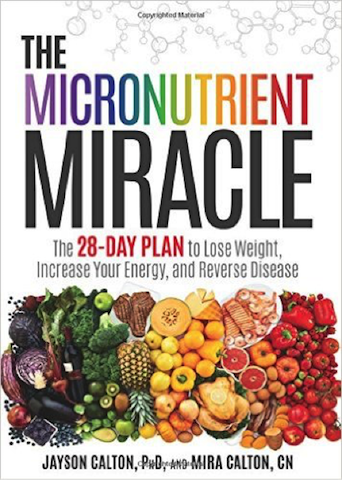
micronutrient-miracle-book

The Micronutrient Miracle is a great new book by my good friends and colleagues Jayson and Mira Calton.

Buy your copy of The Micronutrient Miracle (for less than $20) and get $200 in GIFT Certificates as a thank you!

Enter your name and email on this page https://sn183.isrefer.com/go/d-e2/TrudyScott/

And follow the 3 steps: step 1 (buy the book), step 2 (send the receipt to book@MyMiracleGifts.com by August 31), step 3 (get your GIFT Certificates Sept 1)

micronutrient-miracle

What do you get?  

  • $50 to spend at Wild Things Seafood (seafood for a good mood!)
  • TWO free months + $20 to spend at THRIVE Market (natural foods online)
  • $50 for US Wellness Meats (their grass-fed beef jerky is fabulous!)
  • $50 for Vital Choice Seafood (I love their products)
  • $25 to spend at Kasandrinos (the BEST gourmet Olive Oil out there!)

Enjoy the book and the healthy shopping spree!
 

Filed Under: Books Tagged With: Jayson and Mira Calton

A RCT of a dietary intervention for adults with major depression (the “SMILES” trial): study protocol

July 24, 2015 By Trudy Scott 6 Comments

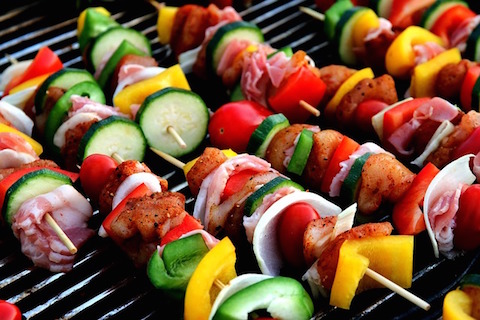
shish-kebab

Even though this study protocol is dated 2013, it’s worth a mention now because the International Society for Nutritional Psychiatry Research just posted this on the ISNPR facebook page.

Recruitment for this important ‘world first’ trial is finally complete (it is hoped that results will be published in late 2015/early 2016)

It’s very exciting! And don’t you just love the name: the “SMILES” trial!

A randomised, controlled trial of a dietary intervention for adults with major depression (the “SMILES” trial): study protocol

Adrienne O’Neil, Michael Berk, Catherine Itsiopoulos, David Castle, Rachelle Opie, Josephine Pizzinga, Laima Brazionis, Allison Hodge, Cathrine Mihalopoulos, Mary Lou Chatterton, Olivia M Dean and Felice N Jacka.

BMC Psychiatry 2013, 13:114  doi:10.1186/1471-244X-13-114

The electronic version of this article is the complete one and can be found online at: http://www.biomedcentral.com/1471-244X/13/114

© 2013 O’Neil et al.; licensee BioMed Central Ltd.

Abstract

Background

Despite increased investment in its recognition and treatment, depression remains a substantial health and economic burden worldwide. Current treatment strategies generally focus on biological and psychological pathways, largely neglecting the role of lifestyle. There is emerging evidence to suggest that diet and nutrition play an important role in the risk, and the genesis, of depression. However, there are limited data regarding the therapeutic impact of dietary changes on existing mental illness. Using a randomised controlled trial design, we aim to investigate the efficacy and cost-efficacy of a dietary program for the treatment of Major Depressive Episodes (MDE).

Methods/Design

One hundred and seventy six eligible participants suffering from current MDE are being randomised into a dietary intervention group or a social support group. Depression status is assessed using the Montgomery–Asberg Depression Rating Scale (MADRS) and Structured Clinical Interview for Diagnostic and Statistical Manual of Mental Disorders (Non Patient Edition) (SCID-I/NP). The intervention consists of 7 individual nutrition consulting sessions (of approximately 60 minutes), delivered by an Accredited Practising Dietitian (APD). Sessions commence within one week of baseline assessment. The intervention focuses on advocating a healthy diet based on the Australian Dietary Guidelines and the Dietary Guidelines for Adults in Greece. The control condition comprises a befriending protocol using the same visit schedule and length as the diet intervention. The study is being conducted at two locations in Victoria, Australia (a metropolitan and regional centre). Data collection occurs at baseline (pre-intervention), 3-months (post-intervention) and 6– months. The primary endpoint is MADRS scores at 3 months. A cost consequences analysis will determine the economic value of the intervention.

Discussion

If efficacious, this program could provide an alternative or adjunct treatment strategy for the management of this highly prevalent mental disorder; the benefits of which could extend to the management of common co-morbidities including cardiovascular disease (CVD), obesity, and type 2 diabetes.

Although the abstract doesn’t mention anxiety, when you read the full study protocol you’ll see these secondary outcomes and aims too:

Secondary outcomes include; depressive and anxiety symptoms, functioning, quality of life, and changes in targeted dietary behaviours, cardiovascular and metabolic risk. A secondary aim is to evaluate the cost efficacy of the intervention from a societal perspective at 3 months.

When I posted this on Facebook, here is a very positive comment I received:

Quote from the article: “A dietary intervention for depression as an adjunct to standard care, has the potential to be cost-effective, highly acceptable and widely applicable. This approach may lead to improved outcomes for individuals with MDE and reduce the public health burden of psychiatric illness.” This is very encouraging, from someone who has suffered from depression my entire life. I’ve had to be my own advocate, especially with the diet connection and finding a way to stay off medications with difficult side effects. Thanks for sharing!

Someone else made a comment about the amount of protein in the study:

17% protein in the study?

This was my response:

Yes it is rather low and the study includes low fat dairy and whole grains too – but it’s a start – it’s a wonderful start!

We can hope that the next step after this one has been published is to do more like this and hopefully have them include more protein (and discuss the quality of the protein), include more full fat dairy and exclude gluten and even one that excludes all grains.

The long term goal will be to dietary interventions as part of the standard of treatment for anxiety, depression and other mental health disorders.

Dr. Felice Jacka talked about this study and the long term goals during our interview on season 1 of the Anxiety Summit: The Research – Food to prevent and treat anxiety and depression?

This is beyond exciting and we so appreciate the researchers and study participants!

How excited are you to see this research being done?


Filed Under: Depression, Testing Tagged With: randomized controlled trial, RCT, SMILES

Low serotonin MAY often be a factor in anxiety and depression

July 17, 2015 By Trudy Scott 25 Comments

 low-serotonin-anxiety

I recently received the following series of questions/comments (all from the same person) on my blog Targeted Individual Amino Acids for Eliminating Anxiety: Practical Applications and would like to share some of what I shared, plus some additional information.

  1. Do you believe in the serotonin hypothesis? And that low serotonin is a factor in anxiety and/or depression? The serotonin hypothesis is a sales pitch from the pharmaceutical industry to sell psychotropic drugs. It is therefore very worrying that nutritional therapists found a market for sufferers and medicine addicts!

  2. There is no test you can take today that show low serotonin in the brain? So where is the evidence?

  3. Please read the books by Robert Whitaker, Peter Breggin and David Healy. Please read this article Things your Doctor Should tell You About Antidepressants and watch this Peter Breggin video

I’m sharing my response because these questions do come up periodically and you may hear other practitioners make similar statements. This is my response:

Yes, I do believe that low serotonin MAY be a factor in anxiety and/or depression (and research shows this to be a fact). I say MAY because anxiety and/or depression could have one of many possible causes – low serotonin, blood sugar instability, poor diet, not eating enough protein, sugar, caffeine, gluten, low dopamine (for depression), pyroluria, inflammation etc.

There is much evidence supporting low serotonin and depression/anxiety. Here are a few recent papers published in 2015:

  • “These findings suggest that the anxiolytic effect of dark cycle restraint is mediated by corticosterone, serotonin or γ-aminobutyric acid-independent mechanisms”
  • “Our results demonstrate that 5-HT [serotonin] deficiency leads to increased susceptibility to social defeat stress (SDS), a model of psychosocial stress”
  • “These findings link the serotonin transporter gene to affective circuitry findings in anxiety and depression psychopathology”
  • “Serotonin, tryptophan metabolism and the brain-gut-microbiome axis”

In response to the question about testing serotonin levels: you can actually test serotonin levels via platelet testing. It’s the test that correlates most closely with CSF levels. A lab called European Laboratory of Nutrients (ELN)/formerly Vitamin Diagnostics offers this platelet serotonin test. It’s not a test that I use as I rely on the Amino Acid Questionnaire and response to the amino acids.   I do not use Urinary Neurotransmitter testing.

With regards to the great article from Mad in America – I totally support these facts (for many individuals):

“antidepressant medications appear to do more harm than good as treatments for depression” and all the “harmful effects on other processes in the body” like digestion, sexual function, cognition etc.

I also respect Dr Peter Breggin’s concerns (in the youtube video) about biochemical imbalances in your brain being caused by the antidepressant drugs you are taking (such as Prozac or Paxil) and why we want to avoid them.

We know that anxiety and depression is not only caused by life stresses and trauma. There are physical biochemical imbalances, nutritional deficiencies, gut problems, food sensitivities, heavy metals and many more causes. I discussed 60+ Nutritional & Biochemical Causes of Anxiety during season 3 of the Anxiety Summit.

Low serotonin is just one of these possible contributing factors and we can address this with dietary and lifestyle changes:

  • Dietary changes include real whole food, grass-fed red meat, no sugar, no gluten, oily fish, healthy fats etc
  • Lifestyle changes include light therapy and exercise

Here are a few recent studies supporting the above:

  • “The effects of dietary tryptophan on affective disorders”
  • “Kefir protective effects against nicotine cessation-induced anxiety and cognition impairments in rats” (kefir is rich in tryptophan)
  • “Stress-Induced Depression Is Alleviated by Aerobic Exercise Through Up-Regulation of 5-Hydroxytryptamine 1A Receptors in rats”

The amino acid supplements tryptophan and 5-HTP are very powerful for providing immediate results of improved mood and reduced anxiety while the other factors are being addressed.   We really need more research on the supplements. Here are two papers:

  • “The effect of raising and lowering tryptophan levels on human mood and social behavior”
  • “5-Hydroxytryptophan: a clinically-effective serotonin precursor”

By boosting serotonin levels in my clients, I see incredible results on a daily basis. And with all this serotonin anxiety/depression research (literally thousands and thousands of papers), it just amazes me when I hear someone say that low serotonin is not a factor. It’s not THE ONLY factor, but is often one of any contributing factors.

If you are anxious or depressed and are still unconvinced, I encourage you to do the Amino Acid Questionnaire and a trial of tryptophan or 5-HTP and see how you respond. I’ve listed some brands I like on this blog: The Antianxiety Food Solution Amino Acid and Pyroluria Supplements.

If you don’t need convincing and have seen great results by boosting your serotonin levels please do share your experiences in the comments below so we can inspire others to look into this approach so they can feel wonderful too.

Filed Under: Antianxiety, Depression, Food and mood Tagged With: amino acids, anxiety, depression, serotonin

Free Thyroid Cookbook & other thyroid resources

July 14, 2015 By Trudy Scott Leave a Comment

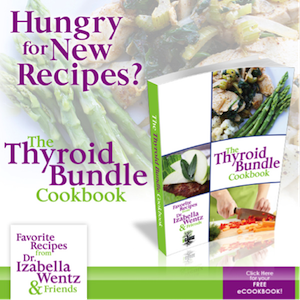
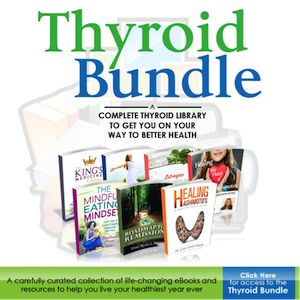
I’m always trying to find and create the very best resources for you to make you healthier, happier and calmer! A few months ago, my friend and thyroid pharmacist, Dr. Izabella Wentz asked me to help contribute to The Thyroid Bundle!

I immediately responded, YES!

You may recall our great thyroid interview on Season 1 of the Anxiety Summit. As a thyroid patient herself, Dr. Wentz has struggled with fatigue, brain fog, hair loss, and countless other symptoms, including anxiety. She was determined to get her life back, found the answers and now helps others do the same!

Along with 30 other experts, I’ve personally contributed some of my favorite thyroid healing recipes to the Thyroid E-cookbook that we are giving away to you for free, to get you started on the right path!

If you have personally struggled with your own thyroid diet … this is one resource you simply just don’t want to pass up.

Whether you’re just dipping your toes in or looking for more recipes, this free thyroid e-cookbook is both inspiring and practical, with more than 80 recipes, plus inspirational stories and quotes from people who have helped countless others transform their health.

You don’t want to miss this! You can grab the Thyroid E-cookbook (at no charge) here:
https://nm197.isrefer.com/go/TB/trudyscottcn

We’ve each also contributed additional resources to The Thyroid Bundle which will be available to you at a special price for a limited time (until July 21st)

This is my contribution: “How Zinc and Vitamin B6 Prevent Pyroluria and Social Anxiety” (as heard on season 2 of the Anxiety Summit)

You may wonder – what is the connection between anxiety/social anxiety and the thyroid?

I’m contributing this transcript/eBook as part of The Thyroid Bundle because we often find that anxiety, panic attacks and social anxiety go hand in hand with thyroid disorders such as hypothyroidism (underactive thyroid) and Hashimoto’s Thyroiditis.

I work primarily with anxious women and around 80% have signs of low zinc and low vitamin B6 and possibly pyroluria. Many of these same women have a thyroid disorder.

We often see these pyroluria/social anxiety symptoms in someone who has hypothyroidism and/or Hashimoto’s Thyroiditis:

  • Being anxious, shy, or fearful
  • Having bouts of depression or nervous exhaustion
  • Frequent fatigue
  • Being prone to iron anemia or low ferritin levels
  • Tending to have cold hands or feet
  • Reduced amount of hair on your head, eyebrows, or eyelashes, or prematurely gray hair
  • Tending to have morning constipation
  • Your face looking swollen when you’re under a lot of stress

You can see the complete Pyroluria Questionnaire here.

Low zinc and low vitamin B6 are common in anxiety and are the key nutrients for addressing pyroluria. We also know that low zinc and low vitamin B6 (together with other nutrients) are common when you have a thyroid disorder (as stated in this 2015 paper: Metabolic disorders and nutritional status in autoimmune thyroid diseases

Malnutrition or the presence of numerous nutritional deficiencies in a patient’s body can be the cause of thyroid disorders. Coexisting deficiencies of such elements as iodine, iron, selenium and zinc may impair the function of the thyroid gland. Other nutrient deficiencies usually observed in patients suffering from ATD [Autoimmune thyroid diseases] are: protein deficiencies, vitamin deficiencies (A, C, B6, B5, B1) and mineral deficiencies (phosphorus, magnesium, potassium, sodium, chromium).

Izabella writes about zinc being a common deficiency and how it’s needed to form TSH and for the conversion of T4 into the active T3 form – Nutrient Depletions in Hashimoto’s: Zinc

Zinc is an essential element to our well-being. Zinc acts as a catalyst in about 100 different enzyme reactions required by our body, and is involved in DNA synthesis, immune function, protein synthesis, and cell division. It is required for proper sense of taste and smell, detoxification, wound healing, and thyroid function. Zinc is not stored in the body, thus a daily intake of zinc is required to maintain sufficient levels.

One in four individuals in the general population may be zinc deficient, and most people with hypothyroidism are in fact zinc deficient. Zinc deficiency prevents the conversion of T4 into the active T3 version. This perpetuates the vicious cycle by a slowed metabolism of proteins.

Zinc is also needed to form TSH, and may become depleted in those with hypothyroidism who are constantly producing more TSH.

I’d like to add that my clients who do have pyroluria, do better with no copper in any of their supplements. So in this instance, Izabella’s recommendation of “1 mg of copper for every 15 mg of zinc” would not apply.

As I mentioned, you don’t want to miss this! You can grab the Thyroid E-cookbook (no cost) and check out The Thyroid Bundle (special low price until July 21st) here:
https://nm197.isrefer.com/go/TB/trudyscottcn

I’m thrilled to be part of this and love what Dr. Izabella Wentz has pulled together! I know you will love it too! Be sure to pay this forward and share with your friends and family!


Filed Under: Recipes, Thyroid Tagged With: izabella wentz, recipes, thyroid bundle, thyroid cookbook

Prevent a heart attack! No grains, fix low D/low thyroid, add fish oil, improve gut flora!

July 13, 2015 By Trudy Scott 2 Comments

Dr. Masley’s Healthy Heart Summit starts today! It’s not to be missed!

Here are the speakers for Day 1:

hhs-1

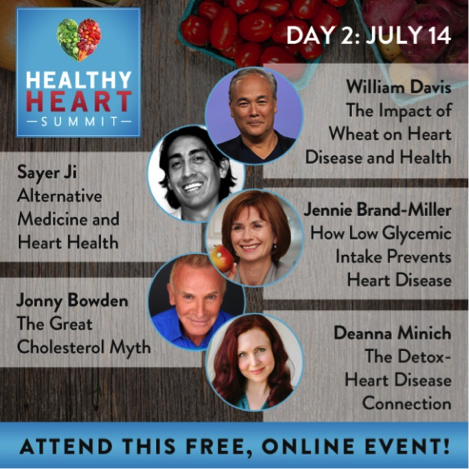
Here are the speakers for Day 2:

hhs-2

And some excerpts from the Dr. William Davis interview: The Impact of Wheat on Heart Disease and Health. It’s incredible! Dr. Davis is a cardiologist and the author of Wheat Belly. His focus with his heart patients is: no grains, fish oil, gut flora, fixing low D and addressing low thyroid!

Sound familiar? All of these can also be part of a program for improving mood and ending anxiety

Here are some excerpts:

  • One of the earliest solutions was a very, very common abnormality in people with coronary disease – an excess of small oxidation prone LDL particles. So I used the data published by people like Ron Krauss in UC Berkeley and some others and took all the grains out of people’s diet. And lo and behold it works like a charm. That became a cornerstone of what I was doing for coronary disease.
  • People were starting to tell me that the rheumatoid arthritis was going away and that their glaucoma had gone away, and their leg edema, hypertension, acid reflux, irritable bowel syndrome, bowel urgency, funny skin rashes, rosacea, rosacea-eczema, seborrhea, belly fat. All of these conditions reversed with elimination of grains.
  • When I added vitamin D to the mix about eight, nine years ago, that’s when we saw dramatic reductions
  • I published some of these data, by the way. [Here is one of his studies: Effect of a combined therapeutic approach of intensive lipid management, omega-3 fatty acid supplementation, and increased serum 25 (OH) vitamin D on coronary calcium scores in asymptomatic adults.  It doesn’t get much attention because you know prevention doesn’t get the headlines. But lots of robotic surgery and things like that get the headlines.
  • Fish oil, of course. Not a huge effect, but it does help. I love it because it reduces the after meal, postprandial flood of lipoproteins. It has a big effect on subduing that effect. Heart disease, as you know, develops in the after-eating few hours, not so much while you’re fasting.
  • Thyroid normalization. I started paying attention to thyroid based on the Norwegian data suggests that a TSH of 1.4 or greater (in the presumed normal range) could as much as double or triple cardiovascular death. Lo and behold, it became a critical part of the management of coronary disease.
  • And then lastly, most recently this notion of cultivating bowel flora. So we use so-called prebiotic fibers or resistant starches to purposely cultivate healthy species of bowel flora. And I’ll be darned. This has proven to be a critical piece.
  • I’m sure my experience is similar to yours. I haven’t seen a heart attack in years. I used to see a couple of heart attacks a week when I was younger – just telling people to take the statin drug and cut their fat and exercise and eat everything in moderation and all that nonsense.

Wow! This is profound!

They go on to talk about how whole-wheat flour, white flour, and table sugar all have the same glycemic load and blood sugar response – which you know also plays a big part in anxiety.

And then one of my favorite sections is this discussion on opiates:

  • If you eat the gliadin protein of wheat…same protein, by the way, in rye and barley. It’s called secalin in rye, hordein in barley and zein in corn. Sometimes you partially digest the small peptides about 5 amino acids long. Those peptides have very unique sequences rich in proline that make it very resistant to human digestion. Those five amino acid pieces act like opiates on the human brain.
  • The effect of the opiates depend on your individual susceptibility. So if you’re a kid with ADHD or autistic spectrum disorder, it causes behavioral outbursts. If you are a paranoid schizophrenic, it causes paranoia and hearing voices. If you have bipolar illness, it triggers the mania, the high. [my addition: if you’re prone to anxiety and depression it can make your symptoms much worse and even be the main cause]
  • If you have a tendency towards binge eating disorder or bulimia, it causes 24-hour a day food obsession.
  • Now, in everyday people who don’t have any of those conditions, it only causes appetite stimulation, many many hundreds of calories more per day every day. It causes incessant hunger. You have to eat all the time.

Register at the following link for the Healthy Heart Summit – to hear the whole of the Dr. Davis interview and all the other great interviews: https://ez233.isrefer.com/go/summitreg/trudyscottcn/

If you know you want to purchase the interviews (digital or memory stick), here is the purchase link:
https://ez233.isrefer.com/go/summitorder/trudyscottcn/


Filed Under: Events, Heart health/hypertension Tagged With: healthy heart summit, steven masley

SIBO / Small Intestinal Bacterial Overgrowth Questionnaire

July 10, 2015 By Trudy Scott 14 Comments

sibo-bacterial-overgrowth

During season 3 of The Anxiety Summit, I interviewed Dr. Allison Siebecker on Small Intestinal Bacterial Overgrowth and Anxiety.

I talked about the SIBO Questionnaire I use with my clients and said I’d share it (with her permission).

There is a real SIBO-anxiety connection. I wrote about this in my book the The Antianxiety Food Solution.

Studies have found that people with digestive complaints such IBS, food allergies and sensitivities, small intestinal bacterial overgrowth and ulcerative colitis frequently suffer from anxiety and, to a lesser extent, depression (Addolorato, Mirijello, D’Angelo, Leggio, Ferrulli, Abenavoli, et al. 2008).

One study (Lydiard 2001) found that 50 to 90 percent of people with IBS who visited a doctor for treatment also suffered from various anxiety disorders (panic disorder, generalized anxiety disorder, social phobia, and post-traumatic stress disorder) and major depression.

I have all my clients who have any digestive issue (which is most of them), do the SIBO questionnaire and then talk to their doctor about doing the SIBO breath test/ hydrogen breath test or SIBO test. Genova offers this or you can ask your conventional doctor to order this.

Keep in mind that this is just one questionnaire/test of many that can be used to try and figure out the root cause of your anxiety. (I write about this and other questionnaires/testing here: Nutritional testing for figuring out the root cause/s of your anxiety.)

SIBO Symptoms, Clues and Associated Conditions

The main symptoms of SIBO are those of Irritable Bowel Syndrome (IBS).  SIBO has been shown to exist in up to 84% of IBS patients and is therefore theorized to be the underlying cause.  It is associated with many other disorders as well, as an underlying cause or as an after effect of the pre-existing disease.

In particular, if the symptoms of IBS are present, or one of the associated diseases along with digestive symptoms is present, consider SIBO.

According to Bures et al, “It is mandatory to consider SIBO in all cases of complex non-specific dyspeptic complaints (bloating, abdominal discomfort, diarrhea, abdominal pain), in motility disorders, anatomical abnormalities of the small bowel and in all malassimilation syndromes (malabsorption, maldigestion).”

Check off or highlight all that apply:

IBS Symptoms
Abdominal bloating (gas)
    – belching, flatulence
Abdominal pain, cramps
Constipation, Diarrhea, both

Other symptoms
Heartburn (Reflux or GERD)
Nausea

Leaky Gut Symptoms (Leaky Small Intestine)
Food Sensitivities
Headaches
Joint Pain
Fatigue
Skin symptoms (such as eczema or rashes)
Respiratory symptoms (such as asthma)
Mood symptoms (depression/anxiety/OCD)
Brain symptoms (such as in autism)

Malabsorption Symptoms
Steatorrhea (fatty stool – stool that floats)
Anemia (Iron or B12)

Associated Conditions– see SIBO Diseases for Study links
Acne Roseacea
Acromegaly (excess growth hormone)
Age: Elderly
Alcohol Consumption (moderate intake)
Anemia
Autism
Celiac Disease
Chronic Fatigue Syndrome
CLL (Chronic Lymphocytic Leukemia)
Cystic Fibrosis
Diabetes
Diverticulitis
Erosive Esophagitis
Fibromyalgia
GERD (Gastroesophageal Reflux Disease)
H pylori Infection
Hyprochlorhydria/low HCl
Hypothyroid/ Hashimoto’s Thyroiditis
IBD (Inflammatory Bowel Disease)
    -Crohn’s
    -Ulcerative Colitis
IBS (Irritable Bowel Syndrome)
Interstitial Cystitis
Lactose Intolerance
Leaky Gut
Liver cirrhosis
Lyme
Muscular Dystrophy (myotonic Type 1)
NASH/NAFLD (non-alcoholic: steatohepatitis/fatty liver disease)
Obesity
Pancreatitis
Parasites
Parkinson’s
Prostatitis (chronic)
Restless Leg Syndrome
Rheumatoid Arthritis
Scleroderma
Surgery:  Post-Gastrectomy

The above list of SIBO symptoms has been adapted from the site of Dr Allison Siebecker and used with permission here on the blog. Please check out Dr. Siebecker’s site siboinfo.com for a wealth of information about SIBO.

Risk factors/other possible clues*: (* all the following added by Trudy Scott, based on what I see with clients)
C-section birth (yours)
Not breast-fed
Probiotics cause digestive distress
Prebiotics (such as inulin) cause digestive distress
Have seen some symptom relief after a course of antibiotics
Symptoms appeared after a bad bout of gastroenteritis
Low triglycerides
Digestive enzymes help
Markers of poor enzyme status on a stool test
Pyroluria (see the Pyroluria Questionnaire here)
Low niacinamide
Low ferritin
Low vitamin D
Carb intolerance
Fat intolerance
Markers of fat malabsorption on a stool test
Low fatty acid levels on a fatty acid test
Have done well on gluten-free diet
Have done well on GAPs/Paleo diets (no grains, no starchy vegetables, no legumes)
Carb/sugar craving/addiction
Other addictions
Low zinc
Low GABA
Low serotonin
Low endorphins
Low catecholamines
Blood sugar issues (for low GABA/serotonin/endorphins/catecholamines and low blood sugar see Amino Acid Questionnaire here)
Stressed
Eat on the run i.e. not sitting down
Low secretary IgA (stool or saliva)
Adrenal fatigue
Heavy metals/environmental toxins
Appendix has been removed (it stores bacteria needed for motility motor complex)

Other possible causal factors **:  (** added June 2017 after the MINDD 2017 practitioner conference, courtesy of the SIBO presentation by Dr. Nirala Jacobi ND) 

Medications:  Proton Pump Inhibitors, Opiates/pain meds, possibly calcium channel blockers
Endometrial surgeries, C-section, and/or gallbladder removal (cholecystectomy) and other pelvic surgeries (such as a hip replacement)

Testing: 

Positive SIBO breath test (methane, hydrogen and a 3rd gas that can’t yet be measured)

Positive anti-Cdtb and anti-vinculin antibodies indicating post-infectious cause (details here)

Also, here is a more recent blog post on this topic: MINDD 2017 practitioner conference, courtesy of the SIBO presentation by Dr. Nirala Jacobi ND 


Filed Under: Anxiety and panic, SIBO Tagged With: Allison Siebecker, anti-Cdtb, anti-vinculin, Dr. Nirala Jacobi, SIBO, small intestinal bacterial overgrowth

  • « Go to Previous Page
  • Page 1
  • Interim pages omitted …
  • Page 109
  • Page 110
  • Page 111
  • Page 112
  • Page 113
  • Interim pages omitted …
  • Page 160
  • Go to Next Page »

Primary Sidebar

GABA QuickStart Homestudy

gaba quickstart homestudy

Free Report

9 Great Questions Women Ask about Food, Mood and their Health

You'll also receive a complimentary subscription to my ezine "Food, Mood and Gal Stuff"


Connect with me

Popular Posts

  • Amino Acids Mood Questionnaire from The Antianxiety Food Solution
  • The Antianxiety Food Solution Amino Acid and Pyroluria Supplements
  • Pyroluria Questionnaire from The Antianxiety Food Solution
  • Collagen and gelatin lower serotonin: does this increase your anxiety and depression?
  • Tryptophan for the worry-in-your-head and ruminating type of anxiety
  • GABA for the physical-tension and stiff-and-tense-muscles type of anxiety
  • The Antianxiety Food Solution by Trudy Scott
  • Seriphos Original Formula is back: the best product for anxiety and insomnia caused by high cortisol
  • Am I an anxious introvert because of low zinc and vitamin B6? My response to Huffington Post blog
  • Vagus nerve rehab with GABA, breathing, humming, gargling and key nutrients

Recent Posts

  • Her cravings for chips and peanut butter were triggered by stress: GABA ends cravings and reduces physical tension and fear of heights
  • It is truly miraculous to be able to move through life without crippling anxiety and panic
  • GABA and tryptophan combo provide immediate and noticeable relief for tremors and cervical dystonia in just 7 days
  • Red light therapy for back and neck pain, plantar fasciitis and low mood – a complement to the amino acids GABA, DPA and tryptophan
  • What do I use instead of Seriphos to help lower high cortisol that is affecting my sleep and making me anxious at night?

Categories

  • 5-HTP
  • AB575
  • Addiction
  • ADHD
  • Adrenals
  • Alcohol
  • Allergies
  • Alzheimer's disease
  • Amino Acids
  • Anger
  • Antianxiety
  • Antianxiety Food Solution
  • Antidepressants
  • Anxiety
  • Anxiety and panic
  • Autism
  • Autoimmunity
  • benzodiazapines
  • Bipolar disorder
  • Books
  • Caffeine
  • Cancer
  • Candida
  • Children/Teens
  • Collagen
  • Cooking equipment
  • Coronavirus/COVID-19
  • Cravings
  • Depression
  • Detoxification
  • Diabetes
  • Diet
  • DPA/DLPA
  • Drugs
  • EFT/Tapping
  • EMF
  • EMFs
  • Emotional Eating
  • Endorphins
  • Environment
  • Essential oils
  • Events
  • Exercise
  • Fear
  • Fear of public speaking
  • Fertility and Pregnancy
  • Fish
  • Food
  • Food and mood
  • Functional neurology
  • GABA
  • Gene polymorphisms
  • General Health
  • Giving
  • Giving back
  • Glutamine
  • Gluten
  • GMOs
  • Gratitude
  • Gut health
  • Heart health/hypertension
  • Histamine
  • Hormone
  • Hyperparathyroidism
  • Hypoglycemia
  • Immune system
  • Inflammation
  • Insomnia
  • Inspiration
  • Introversion
  • Joy and happiness
  • Ketogenic diet
  • Lithium orotate
  • Looking awesome
  • Lyme disease and co-infections
  • MCAS/histamine
  • Medication
  • Men's health
  • Mental health
  • Mercury
  • Migraine
  • Mold
  • Movie
  • MTHFR
  • Multiple sclerosis
  • Music
  • NANP
  • Nature
  • Nutritional Psychiatry
  • OCD
  • Osteoporosis
  • Oxalates
  • Oxytocin
  • Pain
  • Paleo
  • Parasites
  • Parkinson’s disease
  • PCOS
  • People
  • PMS
  • Postpartum
  • PTSD/Trauma
  • Pyroluria
  • Questionnaires
  • Real whole food
  • Recipes
  • Research
  • Schizophrenia
  • serotonin
  • SIBO
  • Sleep
  • Special diets
  • Sports nutrition
  • Stress
  • Sugar addiction
  • Sugar and mood
  • Supplements
  • Teens
  • Testimonials
  • Testing
  • The Anxiety Summit
  • The Anxiety Summit 2
  • The Anxiety Summit 3
  • The Anxiety Summit 4
  • The Anxiety Summit 5
  • The Anxiety Summit 6
  • Thyroid
  • Thyroid health
  • Toxins
  • Tryptophan
  • Tyrosine
  • Uncategorized
  • Vegan/vegetarian
  • Women's health
  • Yoga

Archives

  • May 2026
  • April 2026
  • October 2025
  • September 2025
  • August 2025
  • July 2025
  • June 2025
  • May 2025
  • April 2025
  • March 2025
  • February 2025
  • January 2025
  • November 2024
  • October 2024
  • September 2024
  • August 2024
  • July 2024
  • June 2024
  • May 2024
  • April 2024
  • March 2024
  • February 2024
  • January 2024
  • December 2023
  • November 2023
  • October 2023
  • September 2023
  • August 2023
  • July 2023
  • June 2023
  • May 2023
  • April 2023
  • March 2023
  • February 2023
  • January 2023
  • December 2022
  • November 2022
  • October 2022
  • September 2022
  • August 2022
  • July 2022
  • June 2022
  • May 2022
  • April 2022
  • March 2022
  • February 2022
  • January 2022
  • December 2021
  • November 2021
  • October 2021
  • September 2021
  • August 2021
  • July 2021
  • June 2021
  • May 2021
  • April 2021
  • March 2021
  • February 2021
  • January 2021
  • December 2020
  • November 2020
  • October 2020
  • September 2020
  • August 2020
  • July 2020
  • June 2020
  • May 2020
  • April 2020
  • March 2020
  • February 2020
  • January 2020
  • December 2019
  • November 2019
  • October 2019
  • September 2019
  • August 2019
  • July 2019
  • June 2019
  • May 2019
  • April 2019
  • March 2019
  • February 2019
  • January 2019
  • December 2018
  • November 2018
  • October 2018
  • September 2018
  • August 2018
  • July 2018
  • June 2018
  • May 2018
  • April 2018
  • March 2018
  • February 2018
  • January 2018
  • December 2017
  • November 2017
  • October 2017
  • September 2017
  • August 2017
  • July 2017
  • June 2017
  • May 2017
  • April 2017
  • March 2017
  • February 2017
  • January 2017
  • December 2016
  • November 2016
  • October 2016
  • September 2016
  • August 2016
  • July 2016
  • June 2016
  • May 2016
  • April 2016
  • March 2016
  • February 2016
  • January 2016
  • December 2015
  • November 2015
  • October 2015
  • September 2015
  • August 2015
  • July 2015
  • June 2015
  • May 2015
  • April 2015
  • March 2015
  • February 2015
  • January 2015
  • December 2014
  • November 2014
  • October 2014
  • September 2014
  • August 2014
  • July 2014
  • June 2014
  • May 2014
  • April 2014
  • March 2014
  • February 2014
  • January 2014
  • December 2013
  • November 2013
  • October 2013
  • September 2013
  • August 2013
  • July 2013
  • June 2013
  • May 2013
  • April 2013
  • March 2013
  • February 2013
  • January 2013
  • December 2012
  • November 2012
  • October 2012
  • August 2012
  • July 2012
  • June 2012
  • May 2012
  • April 2012
  • March 2012
  • February 2012
  • January 2012
  • December 2011
  • November 2011
  • October 2011
  • September 2011
  • August 2011
  • July 2011
  • June 2011
  • May 2011
  • April 2011
  • March 2011
  • February 2011
  • January 2011
  • December 2010
  • October 2010
  • September 2010
  • July 2010
  • May 2010
  • April 2010
  • March 2010
  • February 2010
  • January 2010
  • November 2009

Share the knowledge!

The above statements have not been evaluated by the Food and Drug Administration. Products listed in this website are not intended to diagnose, treat, cure or prevent any disease.

The information provided on this site is for informational and educational purposes only and is not intended as a substitute for advice from your physician or other health care professional. You should consult with a healthcare professional before starting or modifying any diet, exercise, or supplementation program, before taking or stopping any medication, or if you have or suspect you may have a health problem.


Copyright © 2026 Trudy Scott. All Rights Reserved. | Privacy | Terms and Conditions | Refund Policy | Medical Disclaimer

Free Report

9 Great Questions Women Ask about Food, Mood and their Health

You’ll also receive a complimentary subscription to my ezine “Food, Mood and Gal Stuff”