• Skip to primary navigation
  • Skip to main content
  • Skip to primary sidebar

everywomanover29 blog

Food, Mood and Women's Health – Be your healthiest, look and feel great!

  • Blog
  • About
  • Services
  • Store
  • Resources
  • Testimonials
  • The Book
  • Newsletter
  • Contact
  • Search this site

Archives for July 2015

Prevent a heart attack! No grains, fix low D/low thyroid, add fish oil, improve gut flora!

July 13, 2015 By Trudy Scott 2 Comments

Dr. Masley’s Healthy Heart Summit starts today! It’s not to be missed!

Here are the speakers for Day 1:

hhs-1

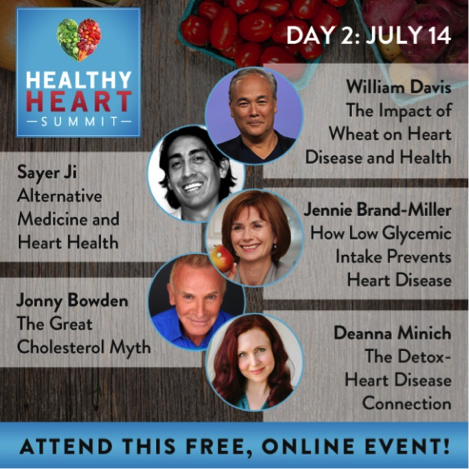
Here are the speakers for Day 2:

hhs-2

And some excerpts from the Dr. William Davis interview: The Impact of Wheat on Heart Disease and Health. It’s incredible! Dr. Davis is a cardiologist and the author of Wheat Belly. His focus with his heart patients is: no grains, fish oil, gut flora, fixing low D and addressing low thyroid!

Sound familiar? All of these can also be part of a program for improving mood and ending anxiety

Here are some excerpts:

  • One of the earliest solutions was a very, very common abnormality in people with coronary disease – an excess of small oxidation prone LDL particles. So I used the data published by people like Ron Krauss in UC Berkeley and some others and took all the grains out of people’s diet. And lo and behold it works like a charm. That became a cornerstone of what I was doing for coronary disease.
  • People were starting to tell me that the rheumatoid arthritis was going away and that their glaucoma had gone away, and their leg edema, hypertension, acid reflux, irritable bowel syndrome, bowel urgency, funny skin rashes, rosacea, rosacea-eczema, seborrhea, belly fat. All of these conditions reversed with elimination of grains.
  • When I added vitamin D to the mix about eight, nine years ago, that’s when we saw dramatic reductions
  • I published some of these data, by the way. [Here is one of his studies: Effect of a combined therapeutic approach of intensive lipid management, omega-3 fatty acid supplementation, and increased serum 25 (OH) vitamin D on coronary calcium scores in asymptomatic adults.  It doesn’t get much attention because you know prevention doesn’t get the headlines. But lots of robotic surgery and things like that get the headlines.
  • Fish oil, of course. Not a huge effect, but it does help. I love it because it reduces the after meal, postprandial flood of lipoproteins. It has a big effect on subduing that effect. Heart disease, as you know, develops in the after-eating few hours, not so much while you’re fasting.
  • Thyroid normalization. I started paying attention to thyroid based on the Norwegian data suggests that a TSH of 1.4 or greater (in the presumed normal range) could as much as double or triple cardiovascular death. Lo and behold, it became a critical part of the management of coronary disease.
  • And then lastly, most recently this notion of cultivating bowel flora. So we use so-called prebiotic fibers or resistant starches to purposely cultivate healthy species of bowel flora. And I’ll be darned. This has proven to be a critical piece.
  • I’m sure my experience is similar to yours. I haven’t seen a heart attack in years. I used to see a couple of heart attacks a week when I was younger – just telling people to take the statin drug and cut their fat and exercise and eat everything in moderation and all that nonsense.

Wow! This is profound!

They go on to talk about how whole-wheat flour, white flour, and table sugar all have the same glycemic load and blood sugar response – which you know also plays a big part in anxiety.

And then one of my favorite sections is this discussion on opiates:

  • If you eat the gliadin protein of wheat…same protein, by the way, in rye and barley. It’s called secalin in rye, hordein in barley and zein in corn. Sometimes you partially digest the small peptides about 5 amino acids long. Those peptides have very unique sequences rich in proline that make it very resistant to human digestion. Those five amino acid pieces act like opiates on the human brain.
  • The effect of the opiates depend on your individual susceptibility. So if you’re a kid with ADHD or autistic spectrum disorder, it causes behavioral outbursts. If you are a paranoid schizophrenic, it causes paranoia and hearing voices. If you have bipolar illness, it triggers the mania, the high. [my addition: if you’re prone to anxiety and depression it can make your symptoms much worse and even be the main cause]
  • If you have a tendency towards binge eating disorder or bulimia, it causes 24-hour a day food obsession.
  • Now, in everyday people who don’t have any of those conditions, it only causes appetite stimulation, many many hundreds of calories more per day every day. It causes incessant hunger. You have to eat all the time.

Register at the following link for the Healthy Heart Summit – to hear the whole of the Dr. Davis interview and all the other great interviews: https://ez233.isrefer.com/go/summitreg/trudyscottcn/

If you know you want to purchase the interviews (digital or memory stick), here is the purchase link:
https://ez233.isrefer.com/go/summitorder/trudyscottcn/

 

Filed Under: Events, Heart health/hypertension Tagged With: healthy heart summit, steven masley

SIBO / Small Intestinal Bacterial Overgrowth Questionnaire

July 10, 2015 By Trudy Scott 14 Comments

sibo-bacterial-overgrowth

During season 3 of The Anxiety Summit, I interviewed Dr. Allison Siebecker on Small Intestinal Bacterial Overgrowth and Anxiety.

I talked about the SIBO Questionnaire I use with my clients and said I’d share it (with her permission).

There is a real SIBO-anxiety connection. I wrote about this in my book the The Antianxiety Food Solution.

Studies have found that people with digestive complaints such IBS, food allergies and sensitivities, small intestinal bacterial overgrowth and ulcerative colitis frequently suffer from anxiety and, to a lesser extent, depression (Addolorato, Mirijello, D’Angelo, Leggio, Ferrulli, Abenavoli, et al. 2008).

One study (Lydiard 2001) found that 50 to 90 percent of people with IBS who visited a doctor for treatment also suffered from various anxiety disorders (panic disorder, generalized anxiety disorder, social phobia, and post-traumatic stress disorder) and major depression.

I have all my clients who have any digestive issue (which is most of them), do the SIBO questionnaire and then talk to their doctor about doing the SIBO breath test/ hydrogen breath test or SIBO test. Genova offers this or you can ask your conventional doctor to order this.

Keep in mind that this is just one questionnaire/test of many that can be used to try and figure out the root cause of your anxiety. (I write about this and other questionnaires/testing here: Nutritional testing for figuring out the root cause/s of your anxiety.)

SIBO Symptoms, Clues and Associated Conditions

The main symptoms of SIBO are those of Irritable Bowel Syndrome (IBS).  SIBO has been shown to exist in up to 84% of IBS patients and is therefore theorized to be the underlying cause.  It is associated with many other disorders as well, as an underlying cause or as an after effect of the pre-existing disease.

In particular, if the symptoms of IBS are present, or one of the associated diseases along with digestive symptoms is present, consider SIBO.

According to Bures et al, “It is mandatory to consider SIBO in all cases of complex non-specific dyspeptic complaints (bloating, abdominal discomfort, diarrhea, abdominal pain), in motility disorders, anatomical abnormalities of the small bowel and in all malassimilation syndromes (malabsorption, maldigestion).”

Check off or highlight all that apply:

IBS Symptoms
Abdominal bloating (gas)
    – belching, flatulence
Abdominal pain, cramps
Constipation, Diarrhea, both

Other symptoms
Heartburn (Reflux or GERD)
Nausea

Leaky Gut Symptoms (Leaky Small Intestine)
Food Sensitivities
Headaches
Joint Pain
Fatigue
Skin symptoms (such as eczema or rashes)
Respiratory symptoms (such as asthma)
Mood symptoms (depression/anxiety/OCD)
Brain symptoms (such as in autism)

Malabsorption Symptoms
Steatorrhea (fatty stool – stool that floats)
Anemia (Iron or B12)

Associated Conditions– see SIBO Diseases for Study links
Acne Roseacea
Acromegaly (excess growth hormone)
Age: Elderly
Alcohol Consumption (moderate intake)
Anemia
Autism
Celiac Disease
Chronic Fatigue Syndrome
CLL (Chronic Lymphocytic Leukemia)
Cystic Fibrosis
Diabetes
Diverticulitis
Erosive Esophagitis
Fibromyalgia
GERD (Gastroesophageal Reflux Disease)
H pylori Infection
Hyprochlorhydria/low HCl
Hypothyroid/ Hashimoto’s Thyroiditis
IBD (Inflammatory Bowel Disease)
    -Crohn’s
    -Ulcerative Colitis
IBS (Irritable Bowel Syndrome)
Interstitial Cystitis
Lactose Intolerance
Leaky Gut
Liver cirrhosis
Lyme
Muscular Dystrophy (myotonic Type 1)
NASH/NAFLD (non-alcoholic: steatohepatitis/fatty liver disease)
Obesity
Pancreatitis
Parasites
Parkinson’s
Prostatitis (chronic)
Restless Leg Syndrome
Rheumatoid Arthritis
Scleroderma
Surgery:  Post-Gastrectomy

The above list of SIBO symptoms has been adapted from the site of Dr Allison Siebecker and used with permission here on the blog. Please check out Dr. Siebecker’s site siboinfo.com for a wealth of information about SIBO.

Risk factors/other possible clues*: (* all the following added by Trudy Scott, based on what I see with clients)
C-section birth (yours)
Not breast-fed
Probiotics cause digestive distress
Prebiotics (such as inulin) cause digestive distress
Have seen some symptom relief after a course of antibiotics
Symptoms appeared after a bad bout of gastroenteritis
Low triglycerides
Digestive enzymes help
Markers of poor enzyme status on a stool test
Pyroluria (see the Pyroluria Questionnaire here)
Low niacinamide
Low ferritin
Low vitamin D
Carb intolerance
Fat intolerance
Markers of fat malabsorption on a stool test
Low fatty acid levels on a fatty acid test
Have done well on gluten-free diet
Have done well on GAPs/Paleo diets (no grains, no starchy vegetables, no legumes)
Carb/sugar craving/addiction
Other addictions
Low zinc
Low GABA
Low serotonin
Low endorphins
Low catecholamines
Blood sugar issues (for low GABA/serotonin/endorphins/catecholamines and low blood sugar see Amino Acid Questionnaire here)
Stressed
Eat on the run i.e. not sitting down
Low secretary IgA (stool or saliva)
Adrenal fatigue
Heavy metals/environmental toxins
Appendix has been removed (it stores bacteria needed for motility motor complex)

Other possible causal factors **:  (** added June 2017 after the MINDD 2017 practitioner conference, courtesy of the SIBO presentation by Dr. Nirala Jacobi ND) 

Medications:  Proton Pump Inhibitors, Opiates/pain meds, possibly calcium channel blockers
Endometrial surgeries, C-section, and/or gallbladder removal (cholecystectomy) and other pelvic surgeries (such as a hip replacement)

Testing: 

Positive SIBO breath test (methane, hydrogen and a 3rd gas that can’t yet be measured)

Positive anti-Cdtb and anti-vinculin antibodies indicating post-infectious cause (details here)

Also, here is a more recent blog post on this topic: MINDD 2017 practitioner conference, courtesy of the SIBO presentation by Dr. Nirala Jacobi ND 


Filed Under: Anxiety and panic, SIBO Tagged With: Allison Siebecker, anti-Cdtb, anti-vinculin, Dr. Nirala Jacobi, SIBO, small intestinal bacterial overgrowth

Cholesterol Myths and The Healthy Heart Summit (starts next week)

July 6, 2015 By Trudy Scott 6 Comments

healthy-heart-summit-banner

The Healthy Heart Summit (ONLINE and FREE) July 13-20, 2015

Dr. Steven Masley created The Healthy Heart Summit to address the great deal of misinformation that exists on lifestyle and heart disease – far too many myths are still believed.

Heart disease is the #1 cause of death for men and women. Yet, it is often addressed with stents and bypass surgeries that only treat the symptoms, not the causes. It’s time to dispel the myths and misinformation about the causes of heart disease, and learn how to give you and your family a long, healthy life together.

Here are some snippets from Dr. Masley’s interview with Jonny Bowden, known as The Nutritional Myth Buster, and author of The Great Cholesterol Myth

jonny-bowden

  • So from a pure weight loss point of view, it doesn’t matter if you eat your meat at McDonald’s or if you eat it from grass-fed Kobe beef from wherever. It probably is a wash in terms of weight loss, maybe not in terms of inflammation. But if you want the health benefits and the weight-loss benefits, then you’ve got to go to what we call smart fats, which are fats that actually support your metabolism, help balance your hormones, creates satiety, and do all the wonderful things that fats do without any of the bad things that what we call mean fat or unclean fat.
  • Smart fats would include the monounsaturated fats that we see so prevalent in the Mediterranean diet. And that would come from olive oil, macadamia nut oil, a couple of the other nut oils, oleic acid. That’s the monounsaturated fat. That’s a good fat.
  • Omega-3s, obviously, particularly the ones from fish oil, the DHA and EPA, the long-chain fatty acids have myriad of health benefits on the brain and on visual acuity and on attention and behavior and all kinds of depression (and anxiety). Those are smart fats.
  • All the recent studies have shown no harm from saturated fat. They’re neutral. For years, we’ve been villainizing them. And all the recent data would say that saturated fat from animal protein, from dairy, from these plant sources (like coconut), it’s harmless.
  • We now know that there are about 4 or 5 kinds of HDL and about 4 or 5 kinds of LDL. And they don’t all behave the same. And it’s not really 100 percent accurate to say that all HDL is good. Most of it is. But there’s a couple that may be a little inflammatory and some that are less good than others.
  • There’s a very big distinction between what’s known as LDL-A particles and LDL-B. Now, if you look at LDL-A particles under the microscope, they look like a big cotton ball. And they do just about as much damage. They’re just pretty innocuous. They’re not necessarily beneficial. But they don’t do any harm. It’s like a tennis ball thrown at you. It’s not going to do any harm. The others are like golf balls. And they’re very nasty inflamed oxidized particles. And they can cause damage. Now, the newer more modern tests (advanced lipid profile) looks at these particles.
  • Stress can cause a heart attack all by itself. We talk about voodoo death and Walter Cannon, the psychologist in the 20s who first discovered this phenomenon. You can die from fear. Your arteries are clear. But stress really can promote heart disease. It can even cause heart disease. So these are things that we don’t tend to look at nearly as much. And instead, we’re obsessively focused on this molecule of cholesterol, which is pretty harmless and very important for the brain and for the heart and for everything else in the body.

So yes, stress and anxiety play a big role in heart disease and this is the topic of my interview: Anxiety/Stress, Depression and Heart Disease

Tune in to hear Jonny Bowden, my anxiety interview and these speakers (and many more):

  • Steven Masley, MD, FAHA, FAAFP, FACN, CNS – The Optimal Evaluation for Your Heart
  • Brenda Watson, CNC – A Healthy Gut for a Healthy Heart
  • Anna Cabeca, DO – Sexual Function and Your Heart
  • Mark Hyman, MD – Diabesity and Heart Disease
  • David Perlmutter, MD – How Heart Health Impacts Your Brain
  • William Davis, MD – The Impact of Wheat on Heart Disease and Health
  • Susan Albers, PsyD – Mindful Eating for Your Heart
  • Josh Axe, DC, CNS – The Best Food and Activity for Your Heart

Register at the following link for the Healthy Heart Summit:
https://ez233.isrefer.com/go/summitreg/trudyscottcn/


Filed Under: Events, Heart health/hypertension Tagged With: Dr. Steven Masley, healthy heart summit, Jonny Bowden

Nutritional testing for figuring out the root cause/s of your anxiety

July 3, 2015 By Trudy Scott 51 Comments

test

This blog covers the nutritional or functional testing I use with my clients, and what tests I’d run (and/or have my client’s doctor run) if everyone had unlimited funds.

Often it can be challenging to figure out the root cause/s of your anxiety, but that’s where questionnaires, nutritional/ functional/ testing, and a good practitioner (or team of practitioners like nutritionist, functional medicine doctor, nurse practitioner, therapist etc.) comes in – so you can put all the puzzle pieces together.

The following are what I have most of my clients do:

  • The basic blood work that I like to see is a lipid panel, a CBC (complete blood count), a metabolic panel, an iron panel that includes ferritin, and a thyroid panel that includes TSH, free T3, free T4, reverse T3, thyroid antibodies (antithyroglobulin and antithyroperoxidase), vitamin D, and CRP (C-Reactive Protein). There is much we can determine by looking at functional values: digestive status, possible gut dysbiosis, adrenal function, malabsorption, inflammation, as well as low iron, low vitamin D etc. I’ll share more about the markers on this panel of tests in a later blog post.  
  • I also like to see an adrenal saliva test, which measures four times cortisol. So it’d be a saliva collection first thing in the morning, noontime, 5:00 PM, and 10:00 PM. It also shows DHEA; Secretory IgA; and an anti-gliadin antibody (a marker of gluten sensitivity)
  • I rely on the Pyroluria Questionnaire and response to the supplements. The pyroluria urine test is a possibility. But I seldom have clients do it, because we can often see a false negative.
  • For neurotransmitter imbalances – low serotonin, low GABA, low catecholamines and low endorphins – I rely on the Amino Acid Questionnaire and response to amino acids. Vitamin Diagnostics offer a platelet serotonin/dopamine/norepinephrine and epinephrine panel, which is the most accurate way to measure neurotransmitters, if you really wanted to measure them. I don’t ever recommend urinary neurotransmitter testing. It just doesn’t seem to correlate with symptoms.
  • B12 levels. To determine a B12 deficiency, you would want to measure B12, methylmalonic acid (or MMA), and homocysteine.
  • The 23andme genetic testing. This will measure MTHFR, COMT, MAOA, CBS, GAD and many more polymorphisms.

Here is other testing that may be helpful for certain individuals:

  • A sex hormone saliva test. This will measures progesterone, estriol, estrone, estradiol, and testosterone.   I have a wonderful nurse practitioner that I work with, and, if need be, will refer people out to the nurse practitioner if we need support when it comes to bioidentical hormones.
  • A food intolerance test that measures IgG antibodies to 60+ foods. This shows a delayed reaction to the foods.
  • A fatty acid test. This will measure omega-3s (EPA and DHA), omega-6s and omega-9s. And it’ll also measure trans fats. Doing this test is really helpful if you have pyroluria or think that you may have pyroluria.
  • A RBC (red blood cell) magnesium test. Dr. Carolyn Dean talked about the usefulness of this test season 2 of The Anxiety Summit: Take magnesium and melt your anxiety away
  • A stool test. Metametrix/Genova and Diagnostechs offers functional stool testing. It’ll show good bacteria, yeast, parasites, bad bacteria, and digestive markers.
  • A hydrogen breath test or SIBO test. Genova offers this or you can ask your conventional doctor to order this.
  • The H/pylori antigen test. Genova offers this or a conventional doctor can do this.
  • Intestinal permeability profile. Genova offers this.
  • A celiac panel. Genova offers this, or a conventional doctor can do this.
  • The Cyrex panels, which will show gluten and food cross-reactions, and various autoimmune markers.
  • The histamine whole blood is a useful test to see if you have high histamine/histadelia or low histamine/histapenia. This is offered by Vitamin Diagnostics and must be WHOLE blood.
  • Spectracell shows vitamin and mineral deficiencies.
  • A VAP test. If you have concerns about high cholesterol and heart disease, this is going to measure particle size, fibrinogen, Lp(a) and other cardio markers (since looking at only high total cholesterol is not particularly useful).
  • The OAT/Organic Acid Test. Great Plains offers this and it has markers of digestion, yeast overgrowth, infections, B vitamin status and neurotransmitter function.
  • A hair mineral analysis. This is a great way to look for toxic metals and mineral status. You want to look at ratios, not just levels. This is a good marker for copper toxicity as well. Analytical Research Lab offers this test.
  • If you think your copper is too high, or you’ve got low zinc, you can measure copper or ceruloplasmin. This is in serum.
  • Porphyrin testing. This is a measure of the effect of heavy metals such as lead and mecury. Kris Homme talked about this in Season 2 of the Anxiety Summit: Your hidden mercury burden – A likely root cause of the other root causes of anxiety – part 2
  • An amino acid profile, which is a plasma or blood spot test. It’s not something that I use very often, but I have seen people with this test.
  • You can also test candida antibodies in blood, which is not terribly accurate, but sometimes will show up.

I want to look into the following testing:

  • The gene testing that Dr. Peter Osborne talks about in his interview on Season 3 of The Anxiety Summit: Grainflammation – How Grain Consumption Contributes to Anxiety and other Mood Disorders
  • The mold testing that Dr. Jill Carnahan talks about in her interview, also during Season 3 of The Anxiety Summit: Is Toxic Mold the Hidden Cause of Your Anxiety?
  • Testing of oxytocin by Meridian Valley – a 24 hour urinary test. I blogged about oxytocin, social anxiety and autism here

What functional/nutritional testing have you had done and have found to be helpful? Which of the above tests would you like more detailed information about?

Filed Under: Anxiety and panic, Food and mood, Gluten, Mercury, Testing

  • « Go to Previous Page
  • Page 1
  • Page 2

Primary Sidebar

GABA QuickStart Homestudy

gaba quickstart homestudy

Free Report

9 Great Questions Women Ask about Food, Mood and their Health

You'll also receive a complimentary subscription to my ezine "Food, Mood and Gal Stuff"


Connect with me

Popular Posts

  • Amino Acids Mood Questionnaire from The Antianxiety Food Solution
  • The Antianxiety Food Solution Amino Acid and Pyroluria Supplements
  • Pyroluria Questionnaire from The Antianxiety Food Solution
  • Collagen and gelatin lower serotonin: does this increase your anxiety and depression?
  • Tryptophan for the worry-in-your-head and ruminating type of anxiety
  • GABA for the physical-tension and stiff-and-tense-muscles type of anxiety
  • The Antianxiety Food Solution by Trudy Scott
  • Seriphos Original Formula is back: the best product for anxiety and insomnia caused by high cortisol
  • Am I an anxious introvert because of low zinc and vitamin B6? My response to Huffington Post blog
  • Vagus nerve rehab with GABA, breathing, humming, gargling and key nutrients

Recent Posts

  • Her cravings for chips and peanut butter were triggered by stress: GABA ends cravings and reduces physical tension and fear of heights
  • It is truly miraculous to be able to move through life without crippling anxiety and panic
  • GABA and tryptophan combo provide immediate and noticeable relief for tremors and cervical dystonia in just 7 days
  • Red light therapy for back and neck pain, plantar fasciitis and low mood – a complement to the amino acids GABA, DPA and tryptophan
  • What do I use instead of Seriphos to help lower high cortisol that is affecting my sleep and making me anxious at night?

Categories

  • 5-HTP
  • AB575
  • Addiction
  • ADHD
  • Adrenals
  • Alcohol
  • Allergies
  • Alzheimer's disease
  • Amino Acids
  • Anger
  • Antianxiety
  • Antianxiety Food Solution
  • Antidepressants
  • Anxiety
  • Anxiety and panic
  • Autism
  • Autoimmunity
  • benzodiazapines
  • Bipolar disorder
  • Books
  • Caffeine
  • Cancer
  • Candida
  • Children/Teens
  • Collagen
  • Cooking equipment
  • Coronavirus/COVID-19
  • Cravings
  • Depression
  • Detoxification
  • Diabetes
  • Diet
  • DPA/DLPA
  • Drugs
  • EFT/Tapping
  • EMF
  • EMFs
  • Emotional Eating
  • Endorphins
  • Environment
  • Essential oils
  • Events
  • Exercise
  • Fear
  • Fear of public speaking
  • Fertility and Pregnancy
  • Fish
  • Food
  • Food and mood
  • Functional neurology
  • GABA
  • Gene polymorphisms
  • General Health
  • Giving
  • Giving back
  • Glutamine
  • Gluten
  • GMOs
  • Gratitude
  • Gut health
  • Heart health/hypertension
  • Histamine
  • Hormone
  • Hyperparathyroidism
  • Hypoglycemia
  • Immune system
  • Inflammation
  • Insomnia
  • Inspiration
  • Introversion
  • Joy and happiness
  • Ketogenic diet
  • Lithium orotate
  • Looking awesome
  • Lyme disease and co-infections
  • MCAS/histamine
  • Medication
  • Men's health
  • Mental health
  • Mercury
  • Migraine
  • Mold
  • Movie
  • MTHFR
  • Multiple sclerosis
  • Music
  • NANP
  • Nature
  • Nutritional Psychiatry
  • OCD
  • Osteoporosis
  • Oxalates
  • Oxytocin
  • Pain
  • Paleo
  • Parasites
  • Parkinson’s disease
  • PCOS
  • People
  • PMS
  • Postpartum
  • PTSD/Trauma
  • Pyroluria
  • Questionnaires
  • Real whole food
  • Recipes
  • Research
  • Schizophrenia
  • serotonin
  • SIBO
  • Sleep
  • Special diets
  • Sports nutrition
  • Stress
  • Sugar addiction
  • Sugar and mood
  • Supplements
  • Teens
  • Testimonials
  • Testing
  • The Anxiety Summit
  • The Anxiety Summit 2
  • The Anxiety Summit 3
  • The Anxiety Summit 4
  • The Anxiety Summit 5
  • The Anxiety Summit 6
  • Thyroid
  • Thyroid health
  • Toxins
  • Tryptophan
  • Tyrosine
  • Uncategorized
  • Vegan/vegetarian
  • Women's health
  • Yoga

Archives

  • May 2026
  • April 2026
  • October 2025
  • September 2025
  • August 2025
  • July 2025
  • June 2025
  • May 2025
  • April 2025
  • March 2025
  • February 2025
  • January 2025
  • November 2024
  • October 2024
  • September 2024
  • August 2024
  • July 2024
  • June 2024
  • May 2024
  • April 2024
  • March 2024
  • February 2024
  • January 2024
  • December 2023
  • November 2023
  • October 2023
  • September 2023
  • August 2023
  • July 2023
  • June 2023
  • May 2023
  • April 2023
  • March 2023
  • February 2023
  • January 2023
  • December 2022
  • November 2022
  • October 2022
  • September 2022
  • August 2022
  • July 2022
  • June 2022
  • May 2022
  • April 2022
  • March 2022
  • February 2022
  • January 2022
  • December 2021
  • November 2021
  • October 2021
  • September 2021
  • August 2021
  • July 2021
  • June 2021
  • May 2021
  • April 2021
  • March 2021
  • February 2021
  • January 2021
  • December 2020
  • November 2020
  • October 2020
  • September 2020
  • August 2020
  • July 2020
  • June 2020
  • May 2020
  • April 2020
  • March 2020
  • February 2020
  • January 2020
  • December 2019
  • November 2019
  • October 2019
  • September 2019
  • August 2019
  • July 2019
  • June 2019
  • May 2019
  • April 2019
  • March 2019
  • February 2019
  • January 2019
  • December 2018
  • November 2018
  • October 2018
  • September 2018
  • August 2018
  • July 2018
  • June 2018
  • May 2018
  • April 2018
  • March 2018
  • February 2018
  • January 2018
  • December 2017
  • November 2017
  • October 2017
  • September 2017
  • August 2017
  • July 2017
  • June 2017
  • May 2017
  • April 2017
  • March 2017
  • February 2017
  • January 2017
  • December 2016
  • November 2016
  • October 2016
  • September 2016
  • August 2016
  • July 2016
  • June 2016
  • May 2016
  • April 2016
  • March 2016
  • February 2016
  • January 2016
  • December 2015
  • November 2015
  • October 2015
  • September 2015
  • August 2015
  • July 2015
  • June 2015
  • May 2015
  • April 2015
  • March 2015
  • February 2015
  • January 2015
  • December 2014
  • November 2014
  • October 2014
  • September 2014
  • August 2014
  • July 2014
  • June 2014
  • May 2014
  • April 2014
  • March 2014
  • February 2014
  • January 2014
  • December 2013
  • November 2013
  • October 2013
  • September 2013
  • August 2013
  • July 2013
  • June 2013
  • May 2013
  • April 2013
  • March 2013
  • February 2013
  • January 2013
  • December 2012
  • November 2012
  • October 2012
  • August 2012
  • July 2012
  • June 2012
  • May 2012
  • April 2012
  • March 2012
  • February 2012
  • January 2012
  • December 2011
  • November 2011
  • October 2011
  • September 2011
  • August 2011
  • July 2011
  • June 2011
  • May 2011
  • April 2011
  • March 2011
  • February 2011
  • January 2011
  • December 2010
  • October 2010
  • September 2010
  • July 2010
  • May 2010
  • April 2010
  • March 2010
  • February 2010
  • January 2010
  • November 2009

Share the knowledge!

The above statements have not been evaluated by the Food and Drug Administration. Products listed in this website are not intended to diagnose, treat, cure or prevent any disease.

The information provided on this site is for informational and educational purposes only and is not intended as a substitute for advice from your physician or other health care professional. You should consult with a healthcare professional before starting or modifying any diet, exercise, or supplementation program, before taking or stopping any medication, or if you have or suspect you may have a health problem.


Copyright © 2026 Trudy Scott. All Rights Reserved. | Privacy | Terms and Conditions | Refund Policy | Medical Disclaimer

Free Report

9 Great Questions Women Ask about Food, Mood and their Health

You’ll also receive a complimentary subscription to my ezine “Food, Mood and Gal Stuff”