• Skip to primary navigation
  • Skip to main content
  • Skip to primary sidebar

everywomanover29 blog

Food, Mood and Women's Health – Be your healthiest, look and feel great!

  • Blog
  • About
  • Services
  • Store
  • Resources
  • Testimonials
  • The Book
  • Contact
  • Search this site

our calming neurotransmitter

Essential oils for dementia, agitation, anxiety on the Alzheimer’s & Dementia Summit

July 31, 2016 By Trudy Scott 6 Comments

essential-oils-for-dimentia

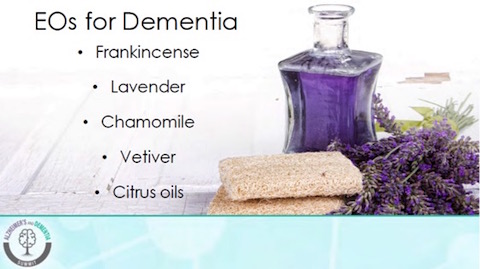
One of the excellent speakers, Eric Zielinski, DC, MPH(c) is interviewed on the Alzheimer’s & Dementia Summit. He’s fondly known as Dr. Z and I love everything he shares about the simplicity and power of essential oils (and all the research).

The topic of his interview is “Best Essential Oils for Brain Health”, dementia and Alzheimer’s disease – but as you will hear these essential oils also help with anxiety, agitation, insomnia and social withdrawal.

One aspect that I find very interesting is the discussion about aromatherapy versus using essential oils in lotions with those with dementia and Alzheimer’s disease. The latter is more effective because of the loss of sense of smell with advanced dementia.

Here are some of the gems he shares (from Professor Elaine Perry’s paper: Aromatherapy for the treatment of Alzheimer’s disease:

Lemon balm (Melissa) lotion was applied to the face and arms of 36 patients, whilst another 36 patients had sunflower oil applied. Melissa was associated with highly significant reductions measured on an agitation inventory and social withdrawal, together with an increase in constructive activities (dementia care mapping).

In a trial involving 122 non-demented patients in intensive care, massage aromatherapy using lavender oil was well received, the greatest improvements being in mood and reduction in anxiety.

In another trial, lavender, geranium and mandarin essential oils in an almond oil base were applied to the skin of 39 patients over an unspecified period. This resulted in increased alertness, contentment and sleeping at night; and reduced levels of agitation, withdrawal and wandering.

I’m so pleased Dr. Z talks about antipsychotics and how a number of studies have shown a reduced need for these medications when using essential oils.

This interview and other interviews on the Alzheimer’s & Dementia Summit are well-worth tuning in to. They represent a unique opportunity to discover how to prevent, slow down and even reverse (yes reverse!) the symptoms of Alzheimer’s disease and dementia.

I say “yes reverse!” because I received this concerned question from someone in my community

It’s a big claim to say you can reverse Alzheimer’s, especially to those of us sensitized to the issue because of a very ill parent. On what studies or peer-reviewed research do you and your colleagues rely? Do you mean when someone is so far along that they are unable to communicate effectively? How would you find the “root cause” then? I am interested in alternative approaches but sometimes the claims seem to veer toward irresponsible

I feel for this concerned caregiver and her question is very valid because we have been led to believe that Alzheimer’s disease cannot be reversed. I only share information I have vetted and always make sure it is research-based and this summit is no exception, even when someone can no longer communicate effectively. Simply using essential oils in a lotion is a wonderful start. Getting the testing that Dr. Bredesen recommends would be the next step. There really is SO much that can be done!

Here are some of my other favorite interviews:

  • Christopher Shade PhD – Brain Defense: What to Do About Heavy Metal Toxicity
  • Niki Gratrix – Dementia Warning: Uncovering the Threat of Emotional Stress
  • Nadine Artemis – Protecting the Brain: Why You Should Care About Oral Health
  • Datis Kharrazian, DHSc, DC, MS – Dementia Solutions: Overlooked Therapies Revealed
  • Dale E. Bredesen, MD – Reversing Alzheimer’s Disease: A Comprehensive Approach (read more here and see his research)
  • David Minkoff, MD – Link Between Lyme Disease and Alzheimer’s

These interviews also provide a resource for you if you are just starting to notice that your own memory and focus is not quite what it used to be, if you have low motivation, if you suffer from brain fog and if you have anxiety and/or insomnia.

Today is the last day of the Alzheimer’s & Dementia Summit and REPLAYS of all the speakers will be tomorrow Monday August 1. You can still register here:
https://qt247.isrefer.com/go/ALZ16reg/trudyscottcn/

Prices will increase after the final REPLAY DAY that so if you know you want to purchase the series, now is the time. This is one summit I highly RECOMMEND purchasing! Here is the order link:
https://qt247.isrefer.com/go/ALZ16order/trudyscottcn/

If you have questions or feedback please feel free to post them in the comments.

PS. If you enjoyed this information and interview and want to learn more about essential oils, don’t forget that Dr. Z is hosting The Essential Oils Revolution 2 online from August 22-29. You can register for this one now.
Filed Under: Essential oils Tagged With: 5-HTP, anxiety, GABA, our calming neurotransmitter, PMS, sleep

GABA the calming amino acid: common questions I get asked

July 29, 2016 By Trudy Scott 53 Comments

gaba common questions

GABA is the main calming neurotransmitter and the amino acid GABA is wonderful for boosting low levels of GABA and thereby eliminating physical anxiety, tension, panic attacks and overwhelm. It can also help reduce pain and insomnia. I get asked great questions about GABA on the blog all the time and here are some common questions that you may find helpful.

GABA, new found peace and do I need more at different times of my cycle?

I have taken your recommendations I heard you speak about on your most recent Anxiety Summit about GABA – and have been experiencing some new found peace that I thought was forever lost to me. It has been truly wonderful! Thank you!

I have a question – in your experience, have you found that different levels/amounts of GABA were needed at different times in a woman’s cycle? I would be interested to know if there is any research or observational data related to GABA receptors and how they are affected by the hormonal ups and downs – AND how to respond to that with supplementation and/or food and lifestyle adjustments.

Here is my response: I love this – new found peace!  GABA is closely related to progesterone which we know fluctuates during our cycles so for some people mirroring this can help even more i.e. some of my clients find it’s beneficial to take extra GABA just before their period or earlier if their anxiety symptoms increase. I have them use their symptoms to guide increasing and decreasing their GABA.

Here are two studies that support this connection in women with premenstrual dysphoric disorder and women who are perimenopausal:

  • Alterations of GABA and glutamate-glutamine levels in premenstrual dysphoric disorder

Increasing evidence has suggested that the GABAergic neurotransmitter system is involved in the pathogenesis of premenstrual dysphoric disorder (PMDD) … dysregulation of the amino acid neurotransmitter system may be an important neurobiological mechanism in the pathogenesis of PMDD

  • Ovarian hormone fluctuation, neurosteroids, and HPA axis dysregulation in perimenopausal depression: a novel heuristic model

failure of the GABAA receptor to regulate overall GABA-ergic tone in the face of shifting levels of these neurosteroids may induce HPA axis dysfunction, thereby increasing sensitivity to stress and generating greater vulnerability to depression.

I have not seen any research on GABA supplementation in the second half of the cycle (luteal phase) but recently blogged about how tryptophan helps PMS symptoms of anxiety, tension and irritability.

I write about GABA, pyroluria and low cholesterol in this same blog.

A question about GABA, tyrosine and other neurotransmitter imbalances

GABA Calm – who can take this as it has tyrosine? Can someone with low serotonin or high serotonin take this? Or is it best to take straight GABA for those who are not meant to take tyrosine. Can a person who has low GABA have other neurotransmission issues i.e. high dopamine or low serotonin?

Here is my response: The GABA Calm (by Source Naturals)  has a very small amount of tyrosine so unless it’s contraindicated it’s the one I use with most of my clients. You would not use it if you have melanoma or Grave disease and would watch carefully if you have high blood pressure or migraines. You can read all the amino acid precautions here.

Many people with low GABA levels may also have signs of the other low neurotransmitters. The best way to figure this out is to do the amino acid questionnaire and do a trial of the relevant amino acid.

You mention high serotonin and high dopamine so I’m guessing you have had the urinary neurotransmitter test done. I’d like to share that I don’t place much value in urinary neurotransmitter testing and prefer to have my clients do a trial.

A question about migraines and getting a red flush with GABA

I’ve had lifelong migraines along with anxiety and depression that have waxed and waned. I’d like to try the aminos and curious if you have any special recommendations or contraindications for migraine with aura.

I’ve tried GABA in the past but ended up with a red flush like a niacin flush. Any ideas on why that might have happened? I suspect maybe the dose was too high. I wanted to try the GABA Calm since it has a low dose of GABA but I’m not sure if tyrosine is a potential migraine trigger.

Would love a little enlightenment on all the above so I’m not so gun shy and doing more harm than good.

Here is my response: Tyrosine is an issue with migraines and I avoid it with clients with a lifelong history of them especially if they are still having them (please see the precautions). If they choose to try a product with tyrosine they simply stop if a migraine is triggered.

Too much GABA can cause a flush and breathlessness. I find this to be the case when 500mg or 750 mg and above is used to start. I have my clients start on the 125mg found in GABA Calm and slowly build up.

When GABA Calm can’t be taken, opening a capsule of a GABA-only product is what we do. You can find the GABA/theanine products I use here. Some of my clients are pixie dust people and need 1/10th of capsule or 200mg GABA so starting low is important for everyone but even more so if you have had a reaction in the past.

I blogged about the large variation in GABA dosing here.

Don’t forget that 1000mg of vitamin C can help to negate the effects of an amino acid. Hopefully this will give you more confidence to do a trial.

A question about insomnia with SIBO/candida and GABA and 5-HTP

What do you do or recommend for people with SIBO/ yeast Overgrowth and can’t sleep well as a result (can’t stay asleep)? I have played with 5-HTP and GABA in the past, but they seemed to have the opposite effect (caused more insomnia). I have read that with overgrowth issues, these products can travel down the wrong metabolic pathway. Have you found this in your clients?

Here is my response: The amino acids will only help with sleep if neurotransmitters are low i.e. GABA will help if GABA is low, 5-HTP or tryptophan will help if serotonin is low. There is actually a great study that shows that a combination of GABA and 5-HTP may help insomnia.

If they are making sleep worse I’d wonder if doses are too high, and I’d look at quality and fillers. I’d also do a trial with tryptophan as 5-HTP can be an issue with high cortisol and this could impact sleep.

Tryptophan can convert to quinolinic acid without the correct co-factors, so taking zinc, curcumin and B vitamins etc. are important. Some people find the Lidtke Tryptophan Complete to be more helpful that the 500mg Tryptophan if they don’t have the co-factors as part of their current protocol.

It goes without saying that foods that make SIBO and candida symptoms worse should be avoided as they may cause bloating and would keep you awake.

With insomnia I’d also look at the following: low blood sugar, parasites, high cortisol, gluten, being on the computer, prior or current benzodiazepine prescriptions.

Resources if you are new to using the amino acids as supplements

If you are new to using any of the amino acids as supplements, here is the Amino Acids Mood Questionnaire from The Antianxiety Food Solution (you can see all the symptoms of neurotransmitter imbalances).

If you suspect low levels of any of the neurotransmitters and do not yet have my book, The Antianxiety Food Solution – How the Foods You Eat Can Help You Calm Your Anxious Mind, Improve Your Mood, and End Cravings, I highly recommend getting it and reading it before jumping in and using amino acids on your own so you are knowledgeable. And be sure to share it with the practitioner/health team you or your loved one is working with.

There is an entire chapter on the amino acids and they are discussed throughout the book in the sections on gut health, blood sugar control, sugar cravings, self-medicating with alcohol and more.

The book doesn’t include product names (per the publisher’s request) so this blog, The Antianxiety Food Solution Amino Acid and Pyroluria Supplements, lists the amino acids that I use with my individual clients and those in my group programs.

If, after reading this blog and my book, you don’t feel comfortable figuring things out on your own (i.e. doing the symptoms questionnaire and respective amino acids trials), a good place to get help is the GABA Quickstart Program (if you have low GABA symptoms). This is a paid online/virtual group program where you get my guidance and community support. There are many moms in the program who are having much success with their kids.

If you are a practitioner, join us in The Balancing Neurotransmitters: the Fundamentals program. This is also a paid online/virtual program with an opportunity to interact with me and other practitioners who are also using the amino acids.

With much appreciation for these women for sharing their stories and allowing me to provide my insights for them and you. We all have much to learn from each other.

Can you relate to any of these questions and have some of these GABA adjustments helped you?

If you have questions please share them here too.

(Most recent updates: June 24, 2022)

Filed Under: GABA, Sleep Tagged With: 5-HTP, anxiety, GABA, our calming neurotransmitter, PMS, sleep

Yoga increases brain GABA levels and reduces anxiety

July 22, 2016 By Trudy Scott 8 Comments

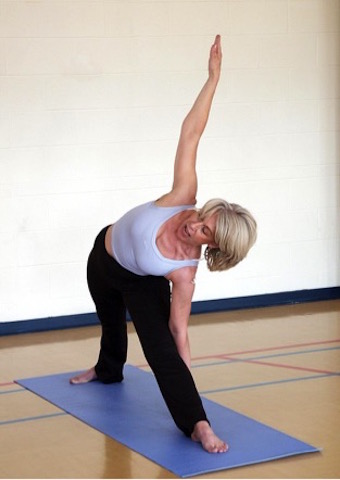
triangle-pose

In a 2007 study published by the Division of Psychiatry at the Boston University School of Medicine – Yoga Asana sessions increase brain GABA levels: a pilot study – researchers had 8 yoga practitioners complete a 60-minute yoga session and 11 comparison subjects complete a 60-minute reading session.

The study objective was to compare changes in brain levels of gamma-aminobutyric acid (GABA) – our calming neurotransmitter – in those completing the 60-minute yoga session and in those reading.

These were the results that were reported:

There was a 27% increase in GABA levels in the yoga practitioner group after the yoga session but no change in the comparison subject group after the reading session.

And here is the conclusion the authors reached:

These findings demonstrate that in experienced yoga practitioners, brain GABA levels increase after a session of yoga. This suggests that the practice of yoga should be explored as a treatment for disorders with low GABA levels such as depression and anxiety disorders. Future studies should compare yoga to other forms of exercise to help determine whether yoga or exercise alone can alter GABA levels.

In this study, GABA levels were measured with magnetic resonance spectroscopic imaging (MRS/MRSI) before and after the yoga and reading sessions. If you really want to know how yoga improves your anxiety you could do the GABA section of the amino acid questionnaire and rate your before and after symptoms:  

  • Anxiety and feeling overwhelmed or stressed
  • Feeling worried or fearful
  • Panic attacks
  • Unable to relax or loosen up
  • Stiff or tense muscles
  • Feeling stressed and burned-out
  • Craving carbs, alcohol, or drugs for relaxation and calming

The above study looked at experienced yoga practitioners but there is so much research on the many benefits of yoga for everyone and for many conditions. Here is a small sampling of some other studies that include anxiety as well as depression, stress, hormonal imbalances and sleep issues:

  • Improved menopausal symptoms, stress levels and depression symptoms
  • Reduced anxiety in pediatric burn survivors
  • Potential benefits for people who have anxiety and stutter
  • Reduced back pain, depression, anxiety, fatigue and medication usage, and improved quality of life and sleep in military veterans
  • Changes in neural connectivity and memory in older adults

If you’ve never done yoga or if you haven’t been doing it for a while this blog will hopefully give you the motivation to start a yoga practice or get back into it.

You may ask: how do I get started?

  • Find a class at a local yoga studio or gym OR
  • Buy a yoga DVD (like Yoga for Beginners or Yoga for Stress Relief and do it at home with some friends or your kids

The important thing is to find the joy in doing it so I encourage you to try different classes until you find one you love. I love Iyengar yoga but it’s not for everyone (it can be seen as too slow for some people.) Here is a yoga DVD for more advanced Iyengar yoga students: Iyengar Yoga with Gabriella.

If you already do yoga this will confirm what you already likely know. Please share what yoga you enjoy, how often you practice and how it leaves you feeling.

If you’re a health practitioner, please share if yoga is something you recommend to your clients or patients.

Filed Under: GABA Tagged With: anxiety, depression, GABA, gamma-aminobutyric acid, our calming neurotransmitter, sleep, yoga

Primary Sidebar

NEW! GABA QuickStart Homestudy (with special intro pricing)

gaba quickstart homestudy

Free Report

9 Great Questions Women Ask about Food, Mood and their Health

You'll also receive a complimentary subscription to my ezine "Food, Mood and Gal Stuff"


Connect with me

Popular Posts

  • Amino Acids Mood Questionnaire from The Antianxiety Food Solution
  • The Antianxiety Food Solution Amino Acid and Pyroluria Supplements
  • Pyroluria Questionnaire from The Antianxiety Food Solution
  • Collagen and gelatin lower serotonin: does this increase your anxiety and depression?
  • Tryptophan for the worry-in-your-head and ruminating type of anxiety
  • GABA for the physical-tension and stiff-and-tense-muscles type of anxiety
  • The Antianxiety Food Solution by Trudy Scott
  • Seriphos Original Formula is back: the best product for anxiety and insomnia caused by high cortisol
  • Am I an anxious introvert because of low zinc and vitamin B6? My response to Huffington Post blog
  • Vagus nerve rehab with GABA, breathing, humming, gargling and key nutrients

Recent Posts

  • What do I use instead of Seriphos to help lower high cortisol that is affecting my sleep and making me anxious at night?
  • BeSerene™ GABA/theanine cream eases severe muscle tension in her neck/shoulders, prevents her bad headaches and quells her anxiety
  • How the correct approach, dose and sublingual use of GABA can be calming and not cause a flushed and itchy face and neck
  • The amino acid glutamine improves low mood by addressing gut health, and it has calming effects too
  • Flight anxiety with heightened breath, physical tension and also fearing the worst (the role of low GABA and low serotonin)

Categories

  • 5-HTP
  • AB575
  • Addiction
  • ADHD
  • Adrenals
  • Alcohol
  • Allergies
  • Alzheimer's disease
  • Amino Acids
  • Anger
  • Antianxiety
  • Antianxiety Food Solution
  • Antidepressants
  • Anxiety
  • Anxiety and panic
  • Autism
  • Autoimmunity
  • benzodiazapines
  • Bipolar disorder
  • Books
  • Caffeine
  • Cancer
  • Candida
  • Children/Teens
  • Collagen
  • Cooking equipment
  • Coronavirus/COVID-19
  • Cravings
  • Depression
  • Detoxification
  • Diabetes
  • Diet
  • DPA/DLPA
  • Drugs
  • EFT/Tapping
  • EMF
  • EMFs
  • Emotional Eating
  • Endorphins
  • Environment
  • Essential oils
  • Events
  • Exercise
  • Fear
  • Fear of public speaking
  • Fertility and Pregnancy
  • Fish
  • Food
  • Food and mood
  • Functional neurology
  • GABA
  • Gene polymorphisms
  • General Health
  • Giving
  • Giving back
  • Glutamine
  • Gluten
  • GMOs
  • Gratitude
  • Gut health
  • Heart health/hypertension
  • Histamine
  • Hormone
  • Hyperparathyroidism
  • Hypoglycemia
  • Immune system
  • Inflammation
  • Insomnia
  • Inspiration
  • Introversion
  • Joy and happiness
  • Ketogenic diet
  • Lithium orotate
  • Looking awesome
  • Lyme disease and co-infections
  • MCAS/histamine
  • Medication
  • Men's health
  • Mental health
  • Mercury
  • Migraine
  • Mold
  • Movie
  • MTHFR
  • Multiple sclerosis
  • Music
  • NANP
  • Nature
  • Nutritional Psychiatry
  • OCD
  • Osteoporosis
  • Oxalates
  • Oxytocin
  • Pain
  • Paleo
  • Parasites
  • Parkinson’s disease
  • PCOS
  • People
  • PMS
  • Postpartum
  • PTSD/Trauma
  • Pyroluria
  • Questionnaires
  • Real whole food
  • Recipes
  • Research
  • Schizophrenia
  • serotonin
  • SIBO
  • Sleep
  • Special diets
  • Sports nutrition
  • Stress
  • Sugar addiction
  • Sugar and mood
  • Supplements
  • Teens
  • Testimonials
  • Testing
  • The Anxiety Summit
  • The Anxiety Summit 2
  • The Anxiety Summit 3
  • The Anxiety Summit 4
  • The Anxiety Summit 5
  • The Anxiety Summit 6
  • Thyroid
  • Thyroid health
  • Toxins
  • Tryptophan
  • Tyrosine
  • Uncategorized
  • Vegan/vegetarian
  • Women's health
  • Yoga

Archives

  • October 2025
  • September 2025
  • August 2025
  • July 2025
  • June 2025
  • May 2025
  • April 2025
  • March 2025
  • February 2025
  • January 2025
  • November 2024
  • October 2024
  • September 2024
  • August 2024
  • July 2024
  • June 2024
  • May 2024
  • April 2024
  • March 2024
  • February 2024
  • January 2024
  • December 2023
  • November 2023
  • October 2023
  • September 2023
  • August 2023
  • July 2023
  • June 2023
  • May 2023
  • April 2023
  • March 2023
  • February 2023
  • January 2023
  • December 2022
  • November 2022
  • October 2022
  • September 2022
  • August 2022
  • July 2022
  • June 2022
  • May 2022
  • April 2022
  • March 2022
  • February 2022
  • January 2022
  • December 2021
  • November 2021
  • October 2021
  • September 2021
  • August 2021
  • July 2021
  • June 2021
  • May 2021
  • April 2021
  • March 2021
  • February 2021
  • January 2021
  • December 2020
  • November 2020
  • October 2020
  • September 2020
  • August 2020
  • July 2020
  • June 2020
  • May 2020
  • April 2020
  • March 2020
  • February 2020
  • January 2020
  • December 2019
  • November 2019
  • October 2019
  • September 2019
  • August 2019
  • July 2019
  • June 2019
  • May 2019
  • April 2019
  • March 2019
  • February 2019
  • January 2019
  • December 2018
  • November 2018
  • October 2018
  • September 2018
  • August 2018
  • July 2018
  • June 2018
  • May 2018
  • April 2018
  • March 2018
  • February 2018
  • January 2018
  • December 2017
  • November 2017
  • October 2017
  • September 2017
  • August 2017
  • July 2017
  • June 2017
  • May 2017
  • April 2017
  • March 2017
  • February 2017
  • January 2017
  • December 2016
  • November 2016
  • October 2016
  • September 2016
  • August 2016
  • July 2016
  • June 2016
  • May 2016
  • April 2016
  • March 2016
  • February 2016
  • January 2016
  • December 2015
  • November 2015
  • October 2015
  • September 2015
  • August 2015
  • July 2015
  • June 2015
  • May 2015
  • April 2015
  • March 2015
  • February 2015
  • January 2015
  • December 2014
  • November 2014
  • October 2014
  • September 2014
  • August 2014
  • July 2014
  • June 2014
  • May 2014
  • April 2014
  • March 2014
  • February 2014
  • January 2014
  • December 2013
  • November 2013
  • October 2013
  • September 2013
  • August 2013
  • July 2013
  • June 2013
  • May 2013
  • April 2013
  • March 2013
  • February 2013
  • January 2013
  • December 2012
  • November 2012
  • October 2012
  • August 2012
  • July 2012
  • June 2012
  • May 2012
  • April 2012
  • March 2012
  • February 2012
  • January 2012
  • December 2011
  • November 2011
  • October 2011
  • September 2011
  • August 2011
  • July 2011
  • June 2011
  • May 2011
  • April 2011
  • March 2011
  • February 2011
  • January 2011
  • December 2010
  • October 2010
  • September 2010
  • July 2010
  • May 2010
  • April 2010
  • March 2010
  • February 2010
  • January 2010
  • November 2009

Share the knowledge!

The above statements have not been evaluated by the Food and Drug Administration. Products listed in this website are not intended to diagnose, treat, cure or prevent any disease.

The information provided on this site is for informational and educational purposes only and is not intended as a substitute for advice from your physician or other health care professional. You should consult with a healthcare professional before starting or modifying any diet, exercise, or supplementation program, before taking or stopping any medication, or if you have or suspect you may have a health problem.


Copyright © 2026 Trudy Scott. All Rights Reserved. | Privacy | Terms and Conditions | Refund Policy | Medical Disclaimer

Free Report

9 Great Questions Women Ask about Food, Mood and their Health

You’ll also receive a complimentary subscription to my ezine “Food, Mood and Gal Stuff”