• Skip to primary navigation
  • Skip to main content
  • Skip to primary sidebar

everywomanover29 blog

Food, Mood and Women's Health – Be your healthiest, look and feel great!

  • Blog
  • About
  • Services
  • Store
  • Resources
  • Testimonials
  • The Book
  • Contact
  • Search this site

cancer

Titanium dioxide: gut damage, anxiety and cancer

March 10, 2017 By Trudy Scott 36 Comments

Titanium dioxide, a common food additive found in candy, gum, bread, sunscreens, cosmetics and medications, has been shown in new research to alter digestive cell structure and function due to the damage it causes to the gut lining:

The ability of small intestine cells to absorb nutrients and act as a barrier to pathogens is ‘significantly decreased’ after chronic exposure to nanoparticles of titanium dioxide, a common food additive found in everything from chewing gum to bread.

Acute exposures did not have much effect, but chronic exposure diminished the absorptive projections on the surface of intestinal cells called microvilli. With fewer microvilli, the intestinal barrier was weakened, metabolism slowed and some nutrients — iron, zinc, and fatty acids, specifically — were more difficult to absorb. Enzyme functions were negatively affected, while inflammation signals increased.

The study was done using an in vitro (i.e. “in glass” or test-tube) cell culture model of the small intestinal epithelium. You can read the actual January 2017 study here.

Since this was not a human study this could be some of the extrapolations we could possibly make because of how chronic exposure led to fewer microvilli:

  • The intestinal barrier was weakened and metabolism slowed. If you suspect you may have damage to the gut lining (as in leaky gut and malabsorption), glutamine is an amino acid that when taken as a supplement is very healing of the gut.
  • Malabsorption of iron, zinc, and fatty acids was a factor so it would be important to assess for low levels and address deficiencies if necessary, especially since low levels of all three can have a direct impact on increasing anxiety.
  • Enzyme functions were negatively affected so this would need to be addressed with a broad spectrum enzyme and possibly HCl.
  • Inflammation signals also increased so using something like curcumin and omega-3 fatty acids may be a good choice to reduce likely inflammation.
  • And it goes without saying, eating a nutrient-dense anti-inflammatory diet is key

As soon as I read this paper I thought of my good friend and colleague Mira Dessy, NE, known as The Ingredient Guru, and author of The Pantry Principle: how to read the label and understand what’s really in your food. She is an expert in all things ingredient and food labels related so I reached out to her and she shared that the titanium dioxide powder itself appears to be somewhat harmless (although there are reports of the dust causing causing respiratory irritation). Even this concerns me but it gets even more concerning. Mira goes on to say:  

The challenge, however, is that there is an increasing amount of titanium dioxide nanoparticles being used.  The microscopic size and their ability to penetrate into the blood stream and from there circulate throughout the body is very worrisome.  These titanium dioxide nanoparticles represent a significant challenge to nerve tissue and also impact brain health through oxidative stress.

Given the ability of the nanoparticles to go through the skin and into the blood stream I’m not surprised that there is growing evidence for gut disruption in addition to the nerve and brain health issues.  The damage to epithelial cells and impairment of micronutrient absorption is highly concerning.  

I love Mira’s book The Pantry Principle (and learned so much from it) and I asked her this week when I reached out for a quote from her why it didn’t make it into her book published just a few years ago in 2013. She shared that it did not really come up on her radar at the time:  

Sadly it turns out that this is because food producers can use up to 1% titanium dioxide (food grade) without declaring it on the label.  Unfortunately when I wrote the book I did not know that.   At the time it appeared to be primarily used in personal care products. Approved for use in cosmetics back in 1973 it is often found in bath powders, cosmetics, antiperspirants, nail polish, sunscreen, and lotions.  It seems to be growing in food usage, appearing in candies, gums, dairy products, condiments, processed meats, and snack foods.  

I’m sharing this because I want you to be aware how quickly things can change and how we really need to keep up with labeling! (be sure to check out Mira’s other work on additives and labeling and my review of her book The Pantry Principle for additional information.)

I was also shocked to find out that food producers can use up to 1% titanium dioxide (food grade) without declaring it on the label – what!? I suspect (and hope) this will be changing in the near future.

I would expect some radical changes from governments and companies using it especially with this IARC (International Agency for Research on Cancer) monograph (another resource Mira provided): 

Titanium dioxide is possible carcinogenic to humans (Group 2B) based on sufficient evidence in experimental animals and inadequate evidence from epidemiological studies.

and this conclusion they reach:

Given the increasing applications of nano titanium dioxide in consumer products (e.g., food or food packaging and skin care products), there is a need to develop better techniques to detect titanium dioxide in tissues and to examine possible carcinogenicity of nano titanium dioxide by other routes of exposure (oral, dermal).

Another recent study found that injected titanium dioxide nanoparticles increased anxiety in rats, increased inflammation and there was increased accumulation in the liver, lungs and brain:

The results suggest that TiO2 NPs [titanium dioxide nanoparticles] could alter the neurobehavioral performance of adult Wistar rats and promote alterations in hepatic [liver] tissues.

I plan to avoid this additive. The best way you can avoid it too is to do the following:

  • eat real food and avoid food that has been processed
  • if you do eat something processed make sure it’s organic because titanium dioxide is not approved for use in organic foods (also make sure it’s not organic “junk food” – there is plenty of that around these days!)
  • read cosmetic labels and avoid toothpastes, makeup, lotions and sunscreens that contain the titanium, especially when in nanoparticle form  

Just to be clear, not all titanium dioxide used in food products are nanoparticles (which are defined as smaller than 100 nanometers in diameter). However up to 36 percent of the titanium dioxide found in nearly 90 food products were nanoparticles, according to this 2012 article: Titanium Dioxide Nanoparticles in Food and Personal Care Products.

I also reached out to my friend and colleague Lara Adler, Environmental Toxins Expert & Educator for her expert opinion:

The issue of nanoparticles in consumer products, whether it’s food, or personal care products like makeup or sunscreen can be confusing. The first issue is that there are no current labelling or disclosure requirements regarding nanoparticles, at least here in the US. Companies that are more keen to appeal to health-minded consumers will often disclose that they are not using nanoparticle sized ingredients, but there’s no legal requirement for anyone to do so, which means it’s totally possible for a product to contain nanoparticles of titanium dioxide and we won’t know. In the European Union, companies are required to disclose and fully label nano-ingredients.

When it comes to topical use in say, sunscreen, research is showing that non-nano titanium dioxide is unlikely to penetrate the skin and enter the body, and is therefore a low risk. The bigger health risk, for nano, or non-nano are products that are aerosolized, like the spray sunscreens as these products are easily inhaled. Most of the research into the negative health effects of titanium dioxide are inhalation studies.

Her feedback supports what Mira and I have discovered from the research: there’s a growing body of research that’s indicating potential negative health effects of nanoparticles, including their ability to migrate throughout the body. She shared these papers with me (both about nanoparticles in general):

A rodent study found that inhaled nanoparticles ended up in the central nervous system, and another study found them ending up in the liver.

But most shocking is this study Lara shared with me about maternal exposure to nanoparticles of titanium dioxide:

It caused the changes in the expression of genes associated with brain development, cell death, response to oxidative stress, and mitochondria in the brain during the perinatal period.

Changes of the expression of genes associated with neurotransmitters and psychiatric diseases were found.

Here are some examples of what you may see on labels:
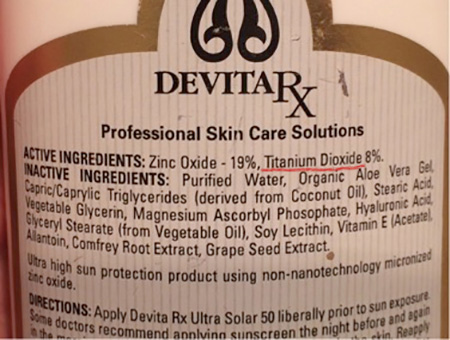
Titanium dioxide in Devitar sunscreen – this is the sunscreen I have been using and recommended by an integrative cancer doctor. This is a common ingredient in sunscreen since it reflects the sun. I’m on the look-out for a new sunscreen that is free from titanium dioxide because we just don’t know what research is going to find. Right now a product like this is better than some of the other sunscreens that contain endocrine-disrupting oxybenzone and should definitely be avoided at all costs.
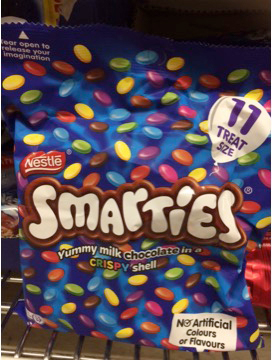
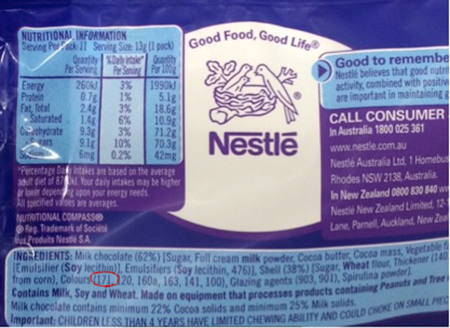
A bag of Smarties (yes, I was prowling the candy aisle here in Australia looking for ingredients!). You’ll see it on this label as 171. Titanium dioxide or E171 is used by the food industry to whiten and brighten food. Children have been identified as having the highest exposures because titanium dioxide content of sweets is higher than other food products.
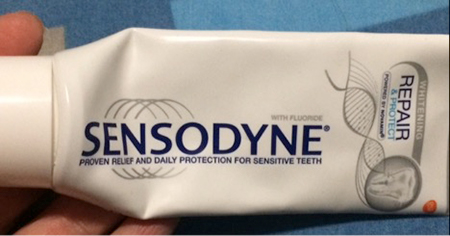
 

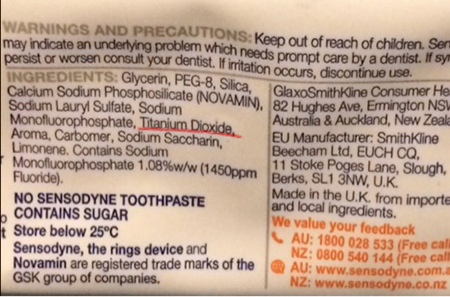
It’s very commonly found in toothpaste for it’s whitening and brightening properties. This is from a tube of Sensodyne toothpaste here in Australia.  

Have you got products in your home with titanium dioxide on the label? I’d love to hear where you see it labelled and if you’ll be avoiding it in the future?

Filed Under: Cancer Tagged With: anxiety, brain, cancer, gut damage, nanoparticles, titanium dioxide

Glutamine supplementation: cancer concerns and benefits

February 26, 2016 By Trudy Scott 128 Comments

russell-blaylock

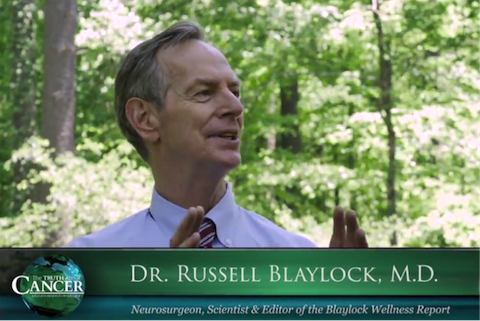
In the recent Truth About Cancer docu-series hosted by Ty Bollinger, founder of Cancer Truth, interviewed Dr. Russell Blaylock, M.D. and Dr. Blaylock said no to glutamine supplementation because it feeds cancer like sugar.

Here is what Dr. Russell Blaylock said during Episode 4 – Excitotoxins that Fuel Cancer:

Cancer cells use two major fuels, they use glucose and they use glutamine. Of the two, glutamine is the more powerful stimulant for cancer cell growth.

The Warburg effect is the fact that normal cells use both anaerobic and aerobic system, the Krebs cycle. The cancer cells only use the anaerobic system, it was thought. Glutamine can work the aerobic system and product a lot more energy. So if you’re eating a lot of sugar and you’re eating a lot of glutamine, you’re really stimulating your cancer powerfully. So the idea is you want to cut down your glutamine intake. A lot of people are promoting glutamine as a way to heal the gut—the leaky gut syndrome. So, they’re saying, take five, six, ten grams of glutamine. That is a powerful stimulant for degenerative brain disorders, a powerful stimulant for cancer growth. You don’t want to do that. There’s a lot better ways to repair the GI tract—they work better and safer and actually inhibit cancer.

Dr. Blaylock, author of Excitotoxins: The Taste That Kills, has been saying this for years. His coverage of MSG and how harmful it is, is very powerful groud-breaking work but many practitioners disagree with his glutamine-feeding-cancer comments.

As a result of this recent interview I’ve been getting a lot of questions about glutamine because it’s something I use with most of my clients for blood sugar control, carbohydrate/sugar cravings and gut healing.

In order to reassure folks I started looking at the current research and getting feedback from trusted colleagues.

I have now gathered 20+ studies showing glutamine to be beneficial in cancer: it heals the gut, helps boost glutathione, helps with muscle wasting, helps when someone is going through chemotherapy and radiation, and is useful for bone marrow transplants. Studies as far back as 1990 state it has benefits and doesn’t promote tumor growth, with 5 of them published this year.

This 2010 paper Glutamine as indispensable nutrient in oncology: experimental and clinical evidence summarizes many of the benefits:

Within the last two decades, 36 (24 oral/enteral, 12 parenteral) clinical studies evaluating the tolerance, safety and effects of glutamine in various patient groups have been published. In the great majority of these clinical studies, glutamine supplementation in cancer patients improves host metabolism and clinical situation without increasing tumor growth. Potential mechanisms of glutamine effects include maintenance of mucosal integrity, improved immune competence, inhibition of cell proliferation, increased apoptosis rate, increased synthesis of glutathione, induction of heat shock protein synthesis, and increased synthesis of glucagons-like peptides.

In various clinical situations, appropriate exogenous glutamine supply is safe and can beneficially contribute to diminish risks of high-dose chemotherapy and radiation. In addition, there is some evidence that adequate glutamine availability can beneficially affect outcome, especially in patients undergoing bone marrow transplantation.

With new research coming out all the time, a paper published in 2010 may seem very old and yet there are some more recent papers stating similar benefits, many of which were published this year and in 2014.   Here are a few excerpts from some of these papers:

  • Oral administration of [glutamine] plus [elemental diet] may prevent chemotherapy-induced oral mucositis in esophageal cancer patients. Link to paper
  • This study suggests a beneficial role of oral [glutamine] use in prevention and/or delay of radiation-induced esophagitis, in terms of esophageal transit time and serum immunological parameters, as well as weight loss. Link to paper
  • It also appears that glutamine may significantly reduce the duration and severity of objective oral mucositis during radiotherapy. Link to paper
  • These results suggest that [glutamine] is an effective way to reduce radiation morbidity to breast cancer and is associated with the increased expression of a novel serum protein biomarker. Link to paper
  • A promising supplemental therapy agent in the field is glutamine. Glutamine (Gln) is an amino acid that is produced in physiological conditions in human cells. However, in pathological states, glutamine production is often insufficient. In the clinical setting, glutamine has been shown to decrease metabolic side effects resulting from cancer treatment and to improve patient outcome. Link to paper
  • Prophylactic oral glutamine could ameliorate the neoadjuvant chemotherapy-induced increase in intestinal permeability, but had no significant positive clinical effect on stomatitis and diarrhea and did not interfere with the antitumor effect of chemotherapy. Link to paper
  • Oral [glutamine] increased [glutathione] levels and lowered IGF-I and TGF-beta 1 in a range that is considered clinically significant. However, the effect of [glutamine] in maintaining normal gut [glutathione] production in the presence of DMBA was much more significant. Link to paper

I’ve also posted the glutamine-cancer question in a number of online practitioner groups I belong to and have received this feedback:

  • Some practitioners still feel glutamine supplementation is very safe to use up to 10-30g a day for a month and then titrated down to a maintenance dose
  • An integrative cancer doctor says she is more cautious and would not recommend greater than 5g per day if someone has active cancer
  • One practitioner shared that long term studies haven’t shown changes in mortality due to glutamine supplementation in cancer settings but glutamine may be used for fuel by cancer cells
  • Glutamine is not neurotoxic as has been suggested in the book Excitotoxins:The Taste That Kills according to Dr. David Brady and other researchers
  • Many consider bone broth to be safe, some feel bone broth should be avoided during cancer treatments

It’s clearly a controversial topic with very divided opinions and it seems the jury is still out. We are also very individual beings with unique biochemistry so there is never a once size fits all approach and it’s very likely that some won’t benefit from glutamine and some may have adverse effects.

I do list cancer as a possible issue under the glutamine precautions and recommend that you check with your oncologist if you are currently undergoing treatment.

I do want to share safe and valuable information with my clients and with you (my community) and am not afraid to back down and say I was wrong. BUT right now I don’t believe we have enough information to say NO-ONE should be using glutamine as a supplement.   I’m gathering information and feedback, am learning a great deal and will be sharing more in future blogs on this topic. And I hope to get some feedback from Dr. Blaylock himself!

I hope this helps with questions you’ve been having or may have in the near future.

In the meantime I’d love your feedback…

  • If you’re a practitioner I’d love to hear your thoughts and approach, what cautions you offer and do you recommended a safe upper limit?
  • If you’re someone who uses glutamine or has used glutamine what does your practitioner say about it? Have they cautioned you about glutamine? Have they recommended a safe upper limit? What benefits have you seen when using it?
  • If you’ve been treated for cancer, has your cancer team recommended glutamine? And did it help?

UPDATE: Feb 26, 2016 (The post above was originally published on October 30, 2015)

I promised to come back and share additional information from someone working in the area of cancer and so here we are – an update on the glutamine cancer concern:

Paul Anderson ND shared a literature review and practice implications in an called “Glutamine and Cancer: What do we know?” (Update Sept 2021: it was published on Emerson Ecologics but the link is no longer active)

When I read this reassuring literature – based on the 2015 paper, Key Roles of Glutamine Pathways in Reprogramming the Cancer Metabolism. Oxidative Medicine and Cellular Longevity  – I reached out to Dr. Anderson and was given permission to share the link and excerpts from the article:

L-Glutamine the amino acid is one of the most widely used therapeutic substances in natural and integrative clinics as well as some allopathic practices. It has benefit in gastrointestinal illnesses and repair, post-surgical care, renal support, muscle mass maintenance, cachexia and a number of other conditions. Given its wide use in the integrative medical community the concern regarding potential for any adverse or untoward event associated with its use is significant. The primary potential issue is the “feeding” of cancer cells and another related issue is increasing glutathione stores and thereby inactivating standard therapies.

He shares some of the same potential benefits of glutamine that I mentioned above:

  • Post-surgical healing
  • GI repair and maintenance
  • Immune system recovery and maintenance
  • Muscle cell maintenance and recovery
  • Glutathione pool restoration

Dr. Anderson shares that:

the availability of glutamine even in a supplemented person is often too low to do much more than feed the deficient GI cells, so peripheral use is limited with oral doses.

The one common exception is glioblastoma multiforme (GM). In the case of GM, it is theoretically possible that amounts of glutamine that were able to cross the GI barrier could be metabolized in a manner promoting of GM energy and health. In the case of GM the authors point out that restricting carbohydrates would likely make the glutamine effective in an anti-GM biology.

And he shares a number of take home points for clinical practice: oral glutamine supplementation is likely safe across most tumor types in patients with cancer, it’s indicated for GI damage, the timing and doses, and how he uses carbohydrate restriction for certain cancers (when also using glutamine).

Based on his clinical experience Dr. Anderson states that:

Glutamine used appropriately is an excellent adjunctive therapy in the oncology setting.

Dr. Paul S. Anderson is medical director of Anderson Medical Specialty Associates, a clinic focusing on the care of patients with cancer and chronic diseases. Former positions include professor of Pharmacology and Clinical Medicine at Bastyr University and Chief of IV Services for Bastyr Oncology Research Center. He is a graduate of National College of Natural Medicine and began instructing classes at naturopathic medical schools in the early 1990’s. He continues to hold board review classes and CME courses for most of the US and Canadian ND programs. He also is a founding board member of the Academy of Parenteral Therapies specialty group and an instructor and author for the International IV Nutritional Therapy training group.

His book, Outside the Box Cancer Therapies: Alternative Therapies That Treat and Prevent Cancer (here is my Amazon link) discusses glutamine and some of the research and benefits when used with cancer patients, and also recommends consulting with your physician.

Did your oncology medical team recommend use of glutamine while you were in cancer treatment and did it help?

Or did they say no to supplemental glutamine and share why?

Feel free to post additional glutamine questions too.

Filed Under: Amino Acids, Cancer Tagged With: anxiety, blood sugar, cancer, cravings, glutamine, russell blaylock

Have fun exercising and prevent cancer

March 26, 2010 By Trudy Scott 20 Comments

It’s all over the news today – up to a third of breast cancer cases in Western countries could be avoided with a nutritious diet and exercise.  (This was announced at a conference in Spain this week – http://tinyurl.com/yalf9s7 for the full story.)

Wow that is so powerful!  We do have control over our own health.

How much time do you make for exercise?

Do you get too busy to go to the gym?

Do you find that you force yourself to go because you know you should?

Do you watch the clock and wish away the time when you’re at the gym?

If exercise is a chore, find something fun to do and it will be a totally different experience I promise. You’ll get so much more out of it and will want to keep going back for more.  Take up ballroom dancing, do belly-dancing lessons (maybe not if you’re a guy!), start playing tennis again or try something fun and new. This last summer we took windsurfing lessons and it was a total blast.

The windy season is just starting again and we were out on the local lake on Saturday and I could have stayed out all day. Exercise, healthy, laughter, fresh air, sunshine, companionship and most of all – pure fun! Now that is what exercise should be!  Get out here and have fun ok?

have fun and exercise

Filed Under: Cancer, General Health, Joy and happiness, Uncategorized Tagged With: cancer, excercise, fun

  • « Go to Previous Page
  • Page 1
  • Page 2

Primary Sidebar

NEW! GABA QuickStart Homestudy (with special intro pricing)

gaba quickstart homestudy

Free Report

9 Great Questions Women Ask about Food, Mood and their Health

You'll also receive a complimentary subscription to my ezine "Food, Mood and Gal Stuff"


Connect with me

Popular Posts

  • Amino Acids Mood Questionnaire from The Antianxiety Food Solution
  • The Antianxiety Food Solution Amino Acid and Pyroluria Supplements
  • Pyroluria Questionnaire from The Antianxiety Food Solution
  • Collagen and gelatin lower serotonin: does this increase your anxiety and depression?
  • Tryptophan for the worry-in-your-head and ruminating type of anxiety
  • GABA for the physical-tension and stiff-and-tense-muscles type of anxiety
  • The Antianxiety Food Solution by Trudy Scott
  • Seriphos Original Formula is back: the best product for anxiety and insomnia caused by high cortisol
  • Am I an anxious introvert because of low zinc and vitamin B6? My response to Huffington Post blog
  • Vagus nerve rehab with GABA, breathing, humming, gargling and key nutrients

Recent Posts

  • What do I use instead of Seriphos to help lower high cortisol that is affecting my sleep and making me anxious at night?
  • BeSerene™ GABA/theanine cream eases severe muscle tension in her neck/shoulders, prevents her bad headaches and quells her anxiety
  • How the correct approach, dose and sublingual use of GABA can be calming and not cause a flushed and itchy face and neck
  • The amino acid glutamine improves low mood by addressing gut health, and it has calming effects too
  • Flight anxiety with heightened breath, physical tension and also fearing the worst (the role of low GABA and low serotonin)

Categories

  • 5-HTP
  • AB575
  • Addiction
  • ADHD
  • Adrenals
  • Alcohol
  • Allergies
  • Alzheimer's disease
  • Amino Acids
  • Anger
  • Antianxiety
  • Antianxiety Food Solution
  • Antidepressants
  • Anxiety
  • Anxiety and panic
  • Autism
  • Autoimmunity
  • benzodiazapines
  • Bipolar disorder
  • Books
  • Caffeine
  • Cancer
  • Candida
  • Children/Teens
  • Collagen
  • Cooking equipment
  • Coronavirus/COVID-19
  • Cravings
  • Depression
  • Detoxification
  • Diabetes
  • Diet
  • DPA/DLPA
  • Drugs
  • EFT/Tapping
  • EMF
  • EMFs
  • Emotional Eating
  • Endorphins
  • Environment
  • Essential oils
  • Events
  • Exercise
  • Fear
  • Fear of public speaking
  • Fertility and Pregnancy
  • Fish
  • Food
  • Food and mood
  • Functional neurology
  • GABA
  • Gene polymorphisms
  • General Health
  • Giving
  • Giving back
  • Glutamine
  • Gluten
  • GMOs
  • Gratitude
  • Gut health
  • Heart health/hypertension
  • Histamine
  • Hormone
  • Hyperparathyroidism
  • Hypoglycemia
  • Immune system
  • Inflammation
  • Insomnia
  • Inspiration
  • Introversion
  • Joy and happiness
  • Ketogenic diet
  • Lithium orotate
  • Looking awesome
  • Lyme disease and co-infections
  • MCAS/histamine
  • Medication
  • Men's health
  • Mental health
  • Mercury
  • Migraine
  • Mold
  • Movie
  • MTHFR
  • Multiple sclerosis
  • Music
  • NANP
  • Nature
  • Nutritional Psychiatry
  • OCD
  • Osteoporosis
  • Oxalates
  • Oxytocin
  • Pain
  • Paleo
  • Parasites
  • Parkinson’s disease
  • PCOS
  • People
  • PMS
  • Postpartum
  • PTSD/Trauma
  • Pyroluria
  • Questionnaires
  • Real whole food
  • Recipes
  • Research
  • Schizophrenia
  • serotonin
  • SIBO
  • Sleep
  • Special diets
  • Sports nutrition
  • Stress
  • Sugar addiction
  • Sugar and mood
  • Supplements
  • Teens
  • Testimonials
  • Testing
  • The Anxiety Summit
  • The Anxiety Summit 2
  • The Anxiety Summit 3
  • The Anxiety Summit 4
  • The Anxiety Summit 5
  • The Anxiety Summit 6
  • Thyroid
  • Thyroid health
  • Toxins
  • Tryptophan
  • Tyrosine
  • Uncategorized
  • Vegan/vegetarian
  • Women's health
  • Yoga

Archives

  • October 2025
  • September 2025
  • August 2025
  • July 2025
  • June 2025
  • May 2025
  • April 2025
  • March 2025
  • February 2025
  • January 2025
  • November 2024
  • October 2024
  • September 2024
  • August 2024
  • July 2024
  • June 2024
  • May 2024
  • April 2024
  • March 2024
  • February 2024
  • January 2024
  • December 2023
  • November 2023
  • October 2023
  • September 2023
  • August 2023
  • July 2023
  • June 2023
  • May 2023
  • April 2023
  • March 2023
  • February 2023
  • January 2023
  • December 2022
  • November 2022
  • October 2022
  • September 2022
  • August 2022
  • July 2022
  • June 2022
  • May 2022
  • April 2022
  • March 2022
  • February 2022
  • January 2022
  • December 2021
  • November 2021
  • October 2021
  • September 2021
  • August 2021
  • July 2021
  • June 2021
  • May 2021
  • April 2021
  • March 2021
  • February 2021
  • January 2021
  • December 2020
  • November 2020
  • October 2020
  • September 2020
  • August 2020
  • July 2020
  • June 2020
  • May 2020
  • April 2020
  • March 2020
  • February 2020
  • January 2020
  • December 2019
  • November 2019
  • October 2019
  • September 2019
  • August 2019
  • July 2019
  • June 2019
  • May 2019
  • April 2019
  • March 2019
  • February 2019
  • January 2019
  • December 2018
  • November 2018
  • October 2018
  • September 2018
  • August 2018
  • July 2018
  • June 2018
  • May 2018
  • April 2018
  • March 2018
  • February 2018
  • January 2018
  • December 2017
  • November 2017
  • October 2017
  • September 2017
  • August 2017
  • July 2017
  • June 2017
  • May 2017
  • April 2017
  • March 2017
  • February 2017
  • January 2017
  • December 2016
  • November 2016
  • October 2016
  • September 2016
  • August 2016
  • July 2016
  • June 2016
  • May 2016
  • April 2016
  • March 2016
  • February 2016
  • January 2016
  • December 2015
  • November 2015
  • October 2015
  • September 2015
  • August 2015
  • July 2015
  • June 2015
  • May 2015
  • April 2015
  • March 2015
  • February 2015
  • January 2015
  • December 2014
  • November 2014
  • October 2014
  • September 2014
  • August 2014
  • July 2014
  • June 2014
  • May 2014
  • April 2014
  • March 2014
  • February 2014
  • January 2014
  • December 2013
  • November 2013
  • October 2013
  • September 2013
  • August 2013
  • July 2013
  • June 2013
  • May 2013
  • April 2013
  • March 2013
  • February 2013
  • January 2013
  • December 2012
  • November 2012
  • October 2012
  • August 2012
  • July 2012
  • June 2012
  • May 2012
  • April 2012
  • March 2012
  • February 2012
  • January 2012
  • December 2011
  • November 2011
  • October 2011
  • September 2011
  • August 2011
  • July 2011
  • June 2011
  • May 2011
  • April 2011
  • March 2011
  • February 2011
  • January 2011
  • December 2010
  • October 2010
  • September 2010
  • July 2010
  • May 2010
  • April 2010
  • March 2010
  • February 2010
  • January 2010
  • November 2009

Share the knowledge!

The above statements have not been evaluated by the Food and Drug Administration. Products listed in this website are not intended to diagnose, treat, cure or prevent any disease.

The information provided on this site is for informational and educational purposes only and is not intended as a substitute for advice from your physician or other health care professional. You should consult with a healthcare professional before starting or modifying any diet, exercise, or supplementation program, before taking or stopping any medication, or if you have or suspect you may have a health problem.


Copyright © 2026 Trudy Scott. All Rights Reserved. | Privacy | Terms and Conditions | Refund Policy | Medical Disclaimer

Free Report

9 Great Questions Women Ask about Food, Mood and their Health

You’ll also receive a complimentary subscription to my ezine “Food, Mood and Gal Stuff”