• Skip to primary navigation
  • Skip to main content
  • Skip to primary sidebar

everywomanover29 blog

Food, Mood and Women's Health – Be your healthiest, look and feel great!

  • Blog
  • About
  • Services
  • Store
  • Resources
  • Testimonials
  • The Book
  • Contact
  • Search this site

Autism, anxiety and the gut: Microbiota transfer therapy or fecal microbiota transplant

April 17, 2017 By Trudy Scott 8 Comments

We know that one of your greatest ally in health is your microbiome – the trillions of bacteria that are the control center of your health! But sometimes your microbiome can actually cause problems. One way to improve the microbiome is via microbiota transfer therapy (MTT), also called fecal microbiota transplant (FMT).  

I was recently interviewed by Dr. Raphael Kellman for the Microbiome Medicine Summit 2 (it starts May 8) and shared newly published research on this approach – Microbiota Transfer Therapy alters gut ecosystem and improves gastrointestinal and autism symptoms: an open-label study

Here are some of the details of this very promising research:

  • It was a small study on children 6 to 7 years old
  • They were given antibiotics for 2 weeks
  • They were given a bowel cleanse
  • They were given an extended fecal microbiota transplant. This was a high initial dose followed by daily and lower maintenance doses for 7–8 weeks.
  • By the end of treatment and 80% reduction of gastrointestinal symptoms were seen. This included: constipation, diarrhea, indigestion, and abdominal pain.
  • These gastrointestinal symptoms improvements persisted for 8 weeks after treatment.
  • They also saw behavioral autism spectrum disorder symptoms improve significantly and remain improved 8 weeks after treatment ended. These symptoms included irritability, hyperactivity, lethargy and socialization

During the interview Dr. Kellman asked what bacterial changes were observed and I didn’t have the study on hand. I looked it up after the interview and this is what they report

Specifically, overall bacterial diversity and the abundance of Bifidobacterium, Prevotella, and Desulfovibrio among other taxa increased following MTT, and these changes persisted after treatment stopped (followed for 8 weeks).

Also

following MTT, the relative abundance of Bifidobacterium significantly increased fourfold and became comparable to its relative abundance in neurotypical children

They conclude that the MTT

shifted gut microbiota of children with ASD toward that of neurotypical children … consistent with the hypothesis that gut microbiota may be at least partially responsible for GI and ASD symptoms

Research just published last month reports similar results with digestive issues and anxiety. Germ-free mice were given the fecal microbiota from healthy control individuals or IBS patients with diarrhea, with or without anxiety. They found that the microbiota profiles in the mice matched the microbiota profiles of the human donors, affecting their digestive function and anxiety levels! I’ll share more on this study in a future blog post.

I hope you’ll join us on the Microbiome Medicine Summit 2, May 8-15, 2017 to learn more
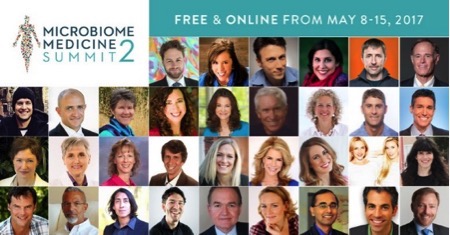
Your host, Dr. Raphael Kellman, has seen the profound healing power of microbiome medicine and how it can address many diseases.

Learn the lessons and methodologies of microbiome medicine – it could improve your health, longevity, vitality and assist with unresolved problems!

It can enhance your brain function, improve mood, reduce anxiety and depression; and address gastrointestinal illnesses, including IBS, Crohn’s and colitis; counter newly identified GI/brain syndromes; and address autism and autoimmune diseases at the root cause!

I thoroughly enjoyed my interview with Dr. Kellman and look forward to hearing all the other great interviews. You can find details and registration here

I hope you can join us!


The above statements have not been evaluated by the Food and Drug Administration. Products listed in this blog post are not intended to diagnose, treat, cure or prevent any disease.

The information provided on this site is for informational and educational purposes only and is not intended as a substitute for advice from your physician or other health care professional. You should consult with a healthcare professional before starting or modifying any diet, exercise, or supplementation program, before taking or stopping any medication, or if you have or suspect you may have a health problem.


The amino acids and pyroluria supplements I use with my clients

Additional Anxiety Resources
Click on each image to learn more

gaba quickstart live gaba quickstart hs

Filed Under: Autism, Events Tagged With: anxiety, autism, Dr. Kellman, fecal microbiota transplant, microbiome medicine summit, Microbiota transfer therapy

About Trudy Scott

Food Mood Expert Trudy Scott is a certified nutritionist on a mission to educate and empower anxious individuals worldwide about natural solutions for anxiety, stress and emotional eating.

Trudy is the author of The Antianxiety Food Solution: How the Foods You Eat Can Help You Calm Your Anxious Mind, Improve Your Mood and End Cravings and host of The Anxiety Summit now in its 6th season and called a “bouquet of hope.”

Trudy is passionate about sharing the powerful food mood connection because she experienced the results first-hand, finding complete resolution of her anxiety and panic attacks.

Reader Interactions

Comments

  1. Jason says

    April 17, 2017 at 7:43 am

    FMT’s are a great idea for many people, including Autistic kids but will only give temporary relief for many unfortunately when they still have too much Mercury in their system like Autistic kids do, they need to chelate first, then later some will benefit from FMT (some won’t even need it once the Mercury that is continually damaging their Gut is gone).

    Reply
    • Trudy Scott says

      April 17, 2017 at 8:11 pm

      Jason
      I agree, mercury plays havoc in many areas of the body so I can see this as a possibility. I’m curious if you’re aware of any research that discusses the fact that FMT is only temporary when mercury toxicity is an issue and how long the temporary benefits are typically seen? Or is this based on clinical results?

      In this group, GI and behavioral improvements persisted for 8 weeks after treatment. It would be interesting to find out how many continued to do well after the 8 weeks.

      I do know that mercury toxicity is front and center in the autism community so it’s likely that these study participants had already gone through a mercury detox protocol. They don’t mention this in the study but it would be helpful to know.

      Reply
      • John says

        April 29, 2017 at 8:42 am

        Hi Trudy-

        In your opinion, what is a good protocol for a mercury detox? Also, do you know of any clinical research going on regarding the microbiome that one could apply to participate in?

      • Trudy Scott says

        May 2, 2017 at 11:26 pm

        John
        Mercury detox is controversial and best done with a functional medicine practitioner well versed in this area.

        I’m not aware of current microbiome clinical research

  2. Shannon says

    April 18, 2017 at 12:13 am

    Hi Trudy
    Thankyou for the article. A while ago I had a CDSA and my stool sample had an overgrowth of prevotella including other SIBO bacteria. At the time Professore Henry Butt stated that prevotella was a bad anaerobic species, particularly not good for the liver. Not sure why you stated they were beneficial?

    Reply
    • Trudy Scott says

      April 20, 2017 at 7:32 am

      Shannon
      Here is a good article on prevotella: “The predominant genera in the human colonic microbiota are Bacteroides and Prevotella, which belong to the major phyla Bacteroidetes. Their composition and metabolic activities are largely modulated by diet and, in addition, they can also affect the metabolism of food. Prevotella is associated with plant-rich diets (high levels of complex carbohydrates and fruit and vegetable intake), whereas Bacteroides is linked to a high intake of fat and protein.” The authors state it has also been linked to inflammation and is “therefore relevant to consider context as an important factor when assessing the effects of Prevotella on host health” and more research is needed. http://www.gutmicrobiotaforhealth.com/en/the-latest-advances-regarding-the-link-between-prevotella-genus-diet-and-its-impact-on-host-health/

      I’m curious about your diet at the time – was it primarily plant-based? And did you suffer from any inflammation?

      Reply
  3. Prof. Atanas G. Atanasov says

    May 25, 2017 at 8:21 pm

    Here is a good new scientific review on the link between gut microbiota and autism: http://healthandscienceportal.blogspot.com/2017/05/gut-microbiota-and-autism-what-is.html

    Reply
    • Trudy Scott says

      May 29, 2017 at 12:43 am

      Thank you for sharing

      Reply

Leave a Reply Cancel reply

Your email address will not be published. Required fields are marked *

Primary Sidebar

NEW! GABA QuickStart Homestudy (with special intro pricing)

gaba quickstart homestudy

Free Report

9 Great Questions Women Ask about Food, Mood and their Health

You'll also receive a complimentary subscription to my ezine "Food, Mood and Gal Stuff"


Connect with me

Popular Posts

  • Amino Acids Mood Questionnaire from The Antianxiety Food Solution
  • The Antianxiety Food Solution Amino Acid and Pyroluria Supplements
  • Pyroluria Questionnaire from The Antianxiety Food Solution
  • Collagen and gelatin lower serotonin: does this increase your anxiety and depression?
  • Tryptophan for the worry-in-your-head and ruminating type of anxiety
  • GABA for the physical-tension and stiff-and-tense-muscles type of anxiety
  • The Antianxiety Food Solution by Trudy Scott
  • Seriphos Original Formula is back: the best product for anxiety and insomnia caused by high cortisol
  • Am I an anxious introvert because of low zinc and vitamin B6? My response to Huffington Post blog
  • Vagus nerve rehab with GABA, breathing, humming, gargling and key nutrients

Recent Posts

  • What do I use instead of Seriphos to help lower high cortisol that is affecting my sleep and making me anxious at night?
  • BeSerene™ GABA/theanine cream eases severe muscle tension in her neck/shoulders, prevents her bad headaches and quells her anxiety
  • How the correct approach, dose and sublingual use of GABA can be calming and not cause a flushed and itchy face and neck
  • The amino acid glutamine improves low mood by addressing gut health, and it has calming effects too
  • Flight anxiety with heightened breath, physical tension and also fearing the worst (the role of low GABA and low serotonin)

Categories

  • 5-HTP
  • AB575
  • Addiction
  • ADHD
  • Adrenals
  • Alcohol
  • Allergies
  • Alzheimer's disease
  • Amino Acids
  • Anger
  • Antianxiety
  • Antianxiety Food Solution
  • Antidepressants
  • Anxiety
  • Anxiety and panic
  • Autism
  • Autoimmunity
  • benzodiazapines
  • Bipolar disorder
  • Books
  • Caffeine
  • Cancer
  • Candida
  • Children/Teens
  • Collagen
  • Cooking equipment
  • Coronavirus/COVID-19
  • Cravings
  • Depression
  • Detoxification
  • Diabetes
  • Diet
  • DPA/DLPA
  • Drugs
  • EFT/Tapping
  • EMF
  • EMFs
  • Emotional Eating
  • Endorphins
  • Environment
  • Essential oils
  • Events
  • Exercise
  • Fear
  • Fear of public speaking
  • Fertility and Pregnancy
  • Fish
  • Food
  • Food and mood
  • Functional neurology
  • GABA
  • Gene polymorphisms
  • General Health
  • Giving
  • Giving back
  • Glutamine
  • Gluten
  • GMOs
  • Gratitude
  • Gut health
  • Heart health/hypertension
  • Histamine
  • Hormone
  • Hyperparathyroidism
  • Hypoglycemia
  • Immune system
  • Inflammation
  • Insomnia
  • Inspiration
  • Introversion
  • Joy and happiness
  • Ketogenic diet
  • Lithium orotate
  • Looking awesome
  • Lyme disease and co-infections
  • MCAS/histamine
  • Medication
  • Men's health
  • Mental health
  • Mercury
  • Migraine
  • Mold
  • Movie
  • MTHFR
  • Multiple sclerosis
  • Music
  • NANP
  • Nature
  • Nutritional Psychiatry
  • OCD
  • Osteoporosis
  • Oxalates
  • Oxytocin
  • Pain
  • Paleo
  • Parasites
  • Parkinson’s disease
  • PCOS
  • People
  • PMS
  • Postpartum
  • PTSD/Trauma
  • Pyroluria
  • Questionnaires
  • Real whole food
  • Recipes
  • Research
  • Schizophrenia
  • serotonin
  • SIBO
  • Sleep
  • Special diets
  • Sports nutrition
  • Stress
  • Sugar addiction
  • Sugar and mood
  • Supplements
  • Teens
  • Testimonials
  • Testing
  • The Anxiety Summit
  • The Anxiety Summit 2
  • The Anxiety Summit 3
  • The Anxiety Summit 4
  • The Anxiety Summit 5
  • The Anxiety Summit 6
  • Thyroid
  • Thyroid health
  • Toxins
  • Tryptophan
  • Tyrosine
  • Uncategorized
  • Vegan/vegetarian
  • Women's health
  • Yoga

Archives

  • October 2025
  • September 2025
  • August 2025
  • July 2025
  • June 2025
  • May 2025
  • April 2025
  • March 2025
  • February 2025
  • January 2025
  • November 2024
  • October 2024
  • September 2024
  • August 2024
  • July 2024
  • June 2024
  • May 2024
  • April 2024
  • March 2024
  • February 2024
  • January 2024
  • December 2023
  • November 2023
  • October 2023
  • September 2023
  • August 2023
  • July 2023
  • June 2023
  • May 2023
  • April 2023
  • March 2023
  • February 2023
  • January 2023
  • December 2022
  • November 2022
  • October 2022
  • September 2022
  • August 2022
  • July 2022
  • June 2022
  • May 2022
  • April 2022
  • March 2022
  • February 2022
  • January 2022
  • December 2021
  • November 2021
  • October 2021
  • September 2021
  • August 2021
  • July 2021
  • June 2021
  • May 2021
  • April 2021
  • March 2021
  • February 2021
  • January 2021
  • December 2020
  • November 2020
  • October 2020
  • September 2020
  • August 2020
  • July 2020
  • June 2020
  • May 2020
  • April 2020
  • March 2020
  • February 2020
  • January 2020
  • December 2019
  • November 2019
  • October 2019
  • September 2019
  • August 2019
  • July 2019
  • June 2019
  • May 2019
  • April 2019
  • March 2019
  • February 2019
  • January 2019
  • December 2018
  • November 2018
  • October 2018
  • September 2018
  • August 2018
  • July 2018
  • June 2018
  • May 2018
  • April 2018
  • March 2018
  • February 2018
  • January 2018
  • December 2017
  • November 2017
  • October 2017
  • September 2017
  • August 2017
  • July 2017
  • June 2017
  • May 2017
  • April 2017
  • March 2017
  • February 2017
  • January 2017
  • December 2016
  • November 2016
  • October 2016
  • September 2016
  • August 2016
  • July 2016
  • June 2016
  • May 2016
  • April 2016
  • March 2016
  • February 2016
  • January 2016
  • December 2015
  • November 2015
  • October 2015
  • September 2015
  • August 2015
  • July 2015
  • June 2015
  • May 2015
  • April 2015
  • March 2015
  • February 2015
  • January 2015
  • December 2014
  • November 2014
  • October 2014
  • September 2014
  • August 2014
  • July 2014
  • June 2014
  • May 2014
  • April 2014
  • March 2014
  • February 2014
  • January 2014
  • December 2013
  • November 2013
  • October 2013
  • September 2013
  • August 2013
  • July 2013
  • June 2013
  • May 2013
  • April 2013
  • March 2013
  • February 2013
  • January 2013
  • December 2012
  • November 2012
  • October 2012
  • August 2012
  • July 2012
  • June 2012
  • May 2012
  • April 2012
  • March 2012
  • February 2012
  • January 2012
  • December 2011
  • November 2011
  • October 2011
  • September 2011
  • August 2011
  • July 2011
  • June 2011
  • May 2011
  • April 2011
  • March 2011
  • February 2011
  • January 2011
  • December 2010
  • October 2010
  • September 2010
  • July 2010
  • May 2010
  • April 2010
  • March 2010
  • February 2010
  • January 2010
  • November 2009

Share the knowledge!

The above statements have not been evaluated by the Food and Drug Administration. Products listed in this website are not intended to diagnose, treat, cure or prevent any disease.

The information provided on this site is for informational and educational purposes only and is not intended as a substitute for advice from your physician or other health care professional. You should consult with a healthcare professional before starting or modifying any diet, exercise, or supplementation program, before taking or stopping any medication, or if you have or suspect you may have a health problem.


Copyright © 2026 Trudy Scott. All Rights Reserved. | Privacy | Terms and Conditions | Refund Policy | Medical Disclaimer

Free Report

9 Great Questions Women Ask about Food, Mood and their Health

You’ll also receive a complimentary subscription to my ezine “Food, Mood and Gal Stuff”