• Skip to primary navigation
  • Skip to main content
  • Skip to primary sidebar

everywomanover29 blog

Food, Mood and Women's Health – Be your healthiest, look and feel great!

  • Blog
  • About
  • Services
  • Store
  • Resources
  • Testimonials
  • The Book
  • Contact
  • Search this site

suramin

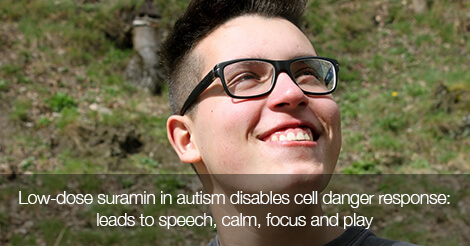
Low-dose suramin in autism disables cell danger response: leads to speech, calm, focus and play

June 9, 2017 By Trudy Scott 10 Comments

I’m fascinated and excited by this new research on cell danger response (CDR): Low-dose suramin in autism spectrum disorder: a small, phase I/II, randomized clinical trial abstract and the ramifications for autism as well as anxiety and other chronic health conditions. This recent study was double-blind, placebo-controlled and involved 10 boys, ages 5 to 14 years, all diagnosed with autism. Five of the 10 boys received a single, intravenous infusion of suramin and the other five boys received a placebo.

As reported in this Science Daily summary: Century-old drug as potential new approach to autism, the results seen in two of the autistic children after a single low dose of the 100 year old medication was profound:

The six-year-old and the 14-year-old who received suramin said the first sentences of their lives about one week after the single suramin infusion.

The most changed behaviors in all of the five boys who received the suramin were: 

social communication and play, speech and language, calm and focus, repetitive behaviors and coping skills.

One of the parents of a 14 year-old who had not spoken a complete sentence in 12 years said this:

We saw improvements in our son after suramin that we have never seen before.

Within an hour after the infusion, he started to make more eye contact with the doctor and nurses in the room. There was a new calmness at times, but also more emotion at other times. He started to show an interest in playing hide-and-seek with his 16-year-old brother. He started practicing making new sounds around the house. He started seeking out his dad more.

We have tried every new treatment out there for over 10 years. Nothing has come close to all the changes in language and social interaction and new interests that we saw after suramin. We saw our son advance almost three years in development in just six weeks.

I can’t even begin to imagine the joy these parents must have felt to see their children respond like this!

Unfortunately the therapeutic benefits of suramin was temporary and the benefits gradually faded after several weeks as the effects of the drug wore off.

Suramin is used for African sleeping sickness and river blindness, which are caused by parasites and does have some very serious side-effects when used at higher doses (in AIDS research in 1987 sixteen patients died while receiving suramin or within three weeks of discontinuation of drug therapy).

In this autism study the children received a single very low dose intravenous infusion which did cause a rash.

The authors do acknowledge that suramin isn’t the solution but rather a way to test the cell danger hypothesis as a “possible unifying theory” that contributes to the cause of autism (and other chronic conditions that don’t resolve).

So what does the cell danger response actually mean? It’s taken me a fair bit of reading to understand it so let me share this explanation from one of the earlier mouse studies done by lead researcher Robert K. Naviaux, MD, PhD:

When cells are exposed to danger in the form of a virus, infection, toxin, or even certain genetic mutations [or traumas], they react defensively, shutting down ordinary activities and erecting barriers against the [real or] perceived threat. One consequence is that communication between cells is reduced which …may interfere with brain development and function, leading to autism [and other chronic conditions]

Even when the danger is no longer there – the infection or toxin or trauma has been removed, the diet has been changed, the nutritional imbalances have been addressed, the inflammation has been reduced etc. – the cells stay in danger mode and are not able to communicate and do what they need to do.

By using suramin the cell danger response/CDR signal is blocked or disabled or switched off so the cells no longer see the perceived danger, allowing cells to restore normal communication and function, and symptoms are reversed.

A simple way to think of it is like this: like a bear, the cells are in hibernation because it’s winter and when summer comes around they stay in hibernation because they still think there is the danger of winter or the lack of food. This is the cell danger response and the cells are stuck. The suramin tells the cells it really is summer, there is plenty of salmon and berries and it’s safe to come out of hibernation.

This approach is called antipurinergic therapy or APT and research shows it has applications for a number of conditions. These are disorders corrected or improved by antipurinergic therapy:
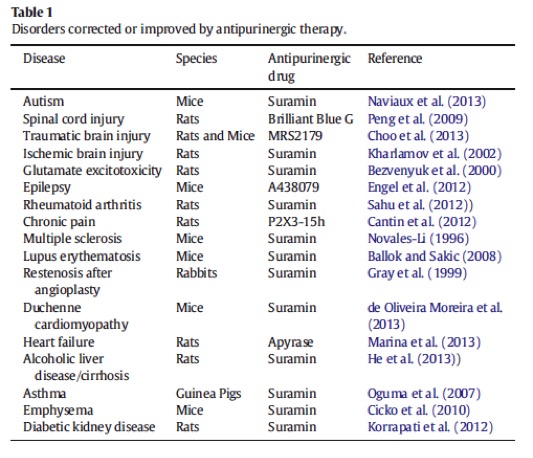
(table from Metabolic features of the cell danger response)

I’m excited about the amazing results in these children and about the promise of what this holds. But I do still have so many questions about this research and look forward to learning more and sharing more with you as I do:

  • Why was suramin used and is there a safe drug that could achieve the same results?
  • Or rather, what natural herb and/or nutrient/s can achieve the same or similar results without the side-effects?
  • What is planned for future CDR research for children with autism and for other conditions? (I do know Dr. Naviaux is planning CFS research later this year)
  • What role does vitamin B6 and serotonin play in all this? (the cell danger response yields vitamin B6 deficiency)
  • Could there be applications for anxiety for you if you have tried ALL the nutritional/biochemical approaches and are still not seeing symptom resolution?
  • Could this mechanism help you if you’ve been harmed by benzodiazepines, SSRIs and/or fluoroquinolones and can’t take any supplements?
  • Could this mechanism help when you have a combination of many stresses like past trauma, genetic defects, heavy metals, mold and Lyme, as well as gut issues and nutritional imbalances?

Feel free to share insights and questions in the comment box below.

Filed Under: Autism Tagged With: autism, suramin

Primary Sidebar

NEW! GABA QuickStart Homestudy (with special intro pricing)

gaba quickstart homestudy

Free Report

9 Great Questions Women Ask about Food, Mood and their Health

You'll also receive a complimentary subscription to my ezine "Food, Mood and Gal Stuff"


Connect with me

Popular Posts

  • Amino Acids Mood Questionnaire from The Antianxiety Food Solution
  • The Antianxiety Food Solution Amino Acid and Pyroluria Supplements
  • Pyroluria Questionnaire from The Antianxiety Food Solution
  • Collagen and gelatin lower serotonin: does this increase your anxiety and depression?
  • Tryptophan for the worry-in-your-head and ruminating type of anxiety
  • GABA for the physical-tension and stiff-and-tense-muscles type of anxiety
  • The Antianxiety Food Solution by Trudy Scott
  • Seriphos Original Formula is back: the best product for anxiety and insomnia caused by high cortisol
  • Am I an anxious introvert because of low zinc and vitamin B6? My response to Huffington Post blog
  • Vagus nerve rehab with GABA, breathing, humming, gargling and key nutrients

Recent Posts

  • What do I use instead of Seriphos to help lower high cortisol that is affecting my sleep and making me anxious at night?
  • BeSerene™ GABA/theanine cream eases severe muscle tension in her neck/shoulders, prevents her bad headaches and quells her anxiety
  • How the correct approach, dose and sublingual use of GABA can be calming and not cause a flushed and itchy face and neck
  • The amino acid glutamine improves low mood by addressing gut health, and it has calming effects too
  • Flight anxiety with heightened breath, physical tension and also fearing the worst (the role of low GABA and low serotonin)

Categories

  • 5-HTP
  • AB575
  • Addiction
  • ADHD
  • Adrenals
  • Alcohol
  • Allergies
  • Alzheimer's disease
  • Amino Acids
  • Anger
  • Antianxiety
  • Antianxiety Food Solution
  • Antidepressants
  • Anxiety
  • Anxiety and panic
  • Autism
  • Autoimmunity
  • benzodiazapines
  • Bipolar disorder
  • Books
  • Caffeine
  • Cancer
  • Candida
  • Children/Teens
  • Collagen
  • Cooking equipment
  • Coronavirus/COVID-19
  • Cravings
  • Depression
  • Detoxification
  • Diabetes
  • Diet
  • DPA/DLPA
  • Drugs
  • EFT/Tapping
  • EMF
  • EMFs
  • Emotional Eating
  • Endorphins
  • Environment
  • Essential oils
  • Events
  • Exercise
  • Fear
  • Fear of public speaking
  • Fertility and Pregnancy
  • Fish
  • Food
  • Food and mood
  • Functional neurology
  • GABA
  • Gene polymorphisms
  • General Health
  • Giving
  • Giving back
  • Glutamine
  • Gluten
  • GMOs
  • Gratitude
  • Gut health
  • Heart health/hypertension
  • Histamine
  • Hormone
  • Hyperparathyroidism
  • Hypoglycemia
  • Immune system
  • Inflammation
  • Insomnia
  • Inspiration
  • Introversion
  • Joy and happiness
  • Ketogenic diet
  • Lithium orotate
  • Looking awesome
  • Lyme disease and co-infections
  • MCAS/histamine
  • Medication
  • Men's health
  • Mental health
  • Mercury
  • Migraine
  • Mold
  • Movie
  • MTHFR
  • Multiple sclerosis
  • Music
  • NANP
  • Nature
  • Nutritional Psychiatry
  • OCD
  • Osteoporosis
  • Oxalates
  • Oxytocin
  • Pain
  • Paleo
  • Parasites
  • Parkinson’s disease
  • PCOS
  • People
  • PMS
  • Postpartum
  • PTSD/Trauma
  • Pyroluria
  • Questionnaires
  • Real whole food
  • Recipes
  • Research
  • Schizophrenia
  • serotonin
  • SIBO
  • Sleep
  • Special diets
  • Sports nutrition
  • Stress
  • Sugar addiction
  • Sugar and mood
  • Supplements
  • Teens
  • Testimonials
  • Testing
  • The Anxiety Summit
  • The Anxiety Summit 2
  • The Anxiety Summit 3
  • The Anxiety Summit 4
  • The Anxiety Summit 5
  • The Anxiety Summit 6
  • Thyroid
  • Thyroid health
  • Toxins
  • Tryptophan
  • Tyrosine
  • Uncategorized
  • Vegan/vegetarian
  • Women's health
  • Yoga

Archives

  • October 2025
  • September 2025
  • August 2025
  • July 2025
  • June 2025
  • May 2025
  • April 2025
  • March 2025
  • February 2025
  • January 2025
  • November 2024
  • October 2024
  • September 2024
  • August 2024
  • July 2024
  • June 2024
  • May 2024
  • April 2024
  • March 2024
  • February 2024
  • January 2024
  • December 2023
  • November 2023
  • October 2023
  • September 2023
  • August 2023
  • July 2023
  • June 2023
  • May 2023
  • April 2023
  • March 2023
  • February 2023
  • January 2023
  • December 2022
  • November 2022
  • October 2022
  • September 2022
  • August 2022
  • July 2022
  • June 2022
  • May 2022
  • April 2022
  • March 2022
  • February 2022
  • January 2022
  • December 2021
  • November 2021
  • October 2021
  • September 2021
  • August 2021
  • July 2021
  • June 2021
  • May 2021
  • April 2021
  • March 2021
  • February 2021
  • January 2021
  • December 2020
  • November 2020
  • October 2020
  • September 2020
  • August 2020
  • July 2020
  • June 2020
  • May 2020
  • April 2020
  • March 2020
  • February 2020
  • January 2020
  • December 2019
  • November 2019
  • October 2019
  • September 2019
  • August 2019
  • July 2019
  • June 2019
  • May 2019
  • April 2019
  • March 2019
  • February 2019
  • January 2019
  • December 2018
  • November 2018
  • October 2018
  • September 2018
  • August 2018
  • July 2018
  • June 2018
  • May 2018
  • April 2018
  • March 2018
  • February 2018
  • January 2018
  • December 2017
  • November 2017
  • October 2017
  • September 2017
  • August 2017
  • July 2017
  • June 2017
  • May 2017
  • April 2017
  • March 2017
  • February 2017
  • January 2017
  • December 2016
  • November 2016
  • October 2016
  • September 2016
  • August 2016
  • July 2016
  • June 2016
  • May 2016
  • April 2016
  • March 2016
  • February 2016
  • January 2016
  • December 2015
  • November 2015
  • October 2015
  • September 2015
  • August 2015
  • July 2015
  • June 2015
  • May 2015
  • April 2015
  • March 2015
  • February 2015
  • January 2015
  • December 2014
  • November 2014
  • October 2014
  • September 2014
  • August 2014
  • July 2014
  • June 2014
  • May 2014
  • April 2014
  • March 2014
  • February 2014
  • January 2014
  • December 2013
  • November 2013
  • October 2013
  • September 2013
  • August 2013
  • July 2013
  • June 2013
  • May 2013
  • April 2013
  • March 2013
  • February 2013
  • January 2013
  • December 2012
  • November 2012
  • October 2012
  • August 2012
  • July 2012
  • June 2012
  • May 2012
  • April 2012
  • March 2012
  • February 2012
  • January 2012
  • December 2011
  • November 2011
  • October 2011
  • September 2011
  • August 2011
  • July 2011
  • June 2011
  • May 2011
  • April 2011
  • March 2011
  • February 2011
  • January 2011
  • December 2010
  • October 2010
  • September 2010
  • July 2010
  • May 2010
  • April 2010
  • March 2010
  • February 2010
  • January 2010
  • November 2009

Share the knowledge!

The above statements have not been evaluated by the Food and Drug Administration. Products listed in this website are not intended to diagnose, treat, cure or prevent any disease.

The information provided on this site is for informational and educational purposes only and is not intended as a substitute for advice from your physician or other health care professional. You should consult with a healthcare professional before starting or modifying any diet, exercise, or supplementation program, before taking or stopping any medication, or if you have or suspect you may have a health problem.


Copyright © 2026 Trudy Scott. All Rights Reserved. | Privacy | Terms and Conditions | Refund Policy | Medical Disclaimer

Free Report

9 Great Questions Women Ask about Food, Mood and their Health

You’ll also receive a complimentary subscription to my ezine “Food, Mood and Gal Stuff”