Amazing Amino Acids for Ending Emotional Eating – No Willpower Required! Really!!

May 13, 2013

MP900387871

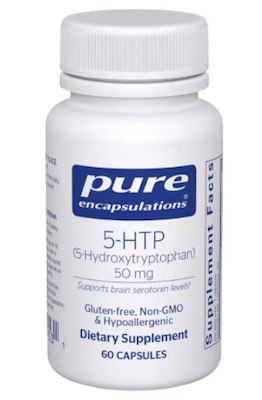
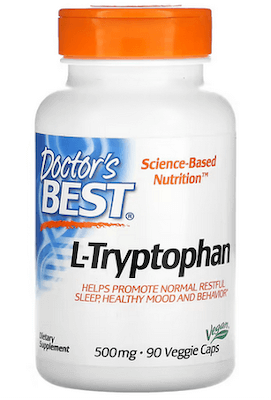
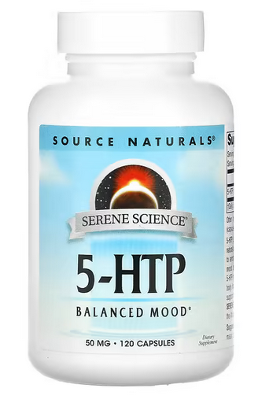
We start Monday with this live course where I am going to share the five brain chemical imbalances and respective amazing amino acids that can end cravings and emotional eating.

If you have these symptoms, then amino acids may help:

  • LOVING a certain food (do you just LOVE pizza or really LOVE cookies as a reward or to numb!?)
  • wanting caffeine or sugar for a pick me up in the afternoon
  • afternoon or night time cravings for carbs
  • poor sleep
  • feeling anxious and irritable (and wanting sugar/starches/alcohol to calm you down)
  • depression and low self-esteem (and wanting sugar/starch/alcohol for soothing)

Yep, all of those can be caused by a lack of some key amino acids that we either don’t get in our food or don’t get enough of.  I have amazing results with my clients!

I recently participated in the incredible Loving Food Loving Life Emotional Eating telesumit hosted by Aimee Serafini. The participants were so wowed by this new information that Aimee asked me to create a group program that would be affordable AND where participants could all support each other.

I’m going to share exactly what and how much to take and what brands based on your own brain chemical imbalances.  Plus we’ll also talk about diet, breakfast, getting enough protein, meal timing, your adrenals and thyroid, food intolerances and much more!

If you want to listen to a longer explanation, you can listen to this interview we did for the event and then if you would like to enroll in this 6 week live class, you can sign up here.

Here is the complete overview of the course:

  • Five Live Classes covering each of the 5 neurotransmitter deficiency categories (low serotonin, low GABA, low catecholamines, low endorphins and low blood sugar) and recordings for your library after the calls (live class dates are 5pm PT / 8pm ET: Mondays May 13 & 20, Tuesday May 28 (due to holiday), and Mondays June 3 & 10)
  • Bonus Live Q&A call after course to answer questions (Monday, June 17)
  • If you cannot attend the live classes, you will get the recordings to download so you can listen when you have time and refer to them later, plus you can ask questions on Facebook. Please do not let scheduling affect your being able to start getting relief now
  • Amino Acid Precautions questionnaire (to address contraindications)
  • Amino Acid Deficiency questionnaire
  • Food Mood Log – to figure out how food affects you and how you are feeling prior to eating
  • Supplement Sheet for amino acid timings
  • Membership in a private Facebook Group for peer support.  Support is super important and hearing the experiences and questions of other participants will surely be of great benefit
  • A Bonus audio interview with Mira Dessy, Nutrition Educator and Whole Food Advocate: The Pantry Principle, How to Read the label and Know What’s Really in Your Food 

If you’re still on the fence

Are you in or out? 

Aimee and I hope to have you join us (Aimee enrolled for this class too!)  If you would like to enroll in this 6 week live virtual class, you can still register here

PS. If you’re reading this after the start date, no problem, you can still register and just catch up by listening to the audio recordings.    

Gluten, leaky gut, LPS, anxiety and Dr. Tom O’Bryan at NANP

May 12, 2013

Spaghetti and Elbow Macaroni

I’m just back from a great few days at THE best nutrition conference – the annual conference of the National Association of Nutrition Professionals http://www.nanp.org/conference/speakers-sessions/

Dr. Tom O’ Bryan, DC, an expert on gluten, presented the following in his very interesting talk:

  • “One particularly detrimental consequence of increased intestinal permeability” (or leaky gut) caused by gluten sensitivity or celiac disease “is the translocation of bacteria (e.g., E. Coli) and bacterial products (lipopolysaccharides or LPS) also known as endotoxin which creates a proinflammatory environment and increases the oxidative stress burden in the enteric nervous system”
  • “Even minute doses of microbes within the gastrointestinal tract, levels that do not trigger an immune response, are capable of influencing neurotransmission in the paraventricular hypothalamus, the central nucleus of the amygdala and the bed nucleus of the stria terminalis. All three of these regions are involved in the processing of emotions related to anxiety and mood.”
  • “It is suggested that patients with” depression “should be checked for leaky gut by means of the IgM and IgA panel used in the present study and accordingly should be treated for leaky gut”.

In summary, gluten sensitivity or celiac disease can lead to leaky gut which can in turn allow endotoxins called lipopolysaccharides/LPS to relocate into the blood stream. This causes inflammation, oxidative damage, neurotransmitter deficiencies and depression and anxiety.

The study above, refers to depression, however, research also shows that LPS plays a role in stress and anxiety too.

Dr. O’Bryan also discussed the role that LPS plays in rheumatoid arthritis and other musculoskeletal disorders.

Dr. O’Bryan recommends IgG food intolerance testing to identify leaky gut and then to first heal the gut. Of course, eliminating gluten goes without saying. This is the approach that I use with my clients and is part of the holistic approach that must be used when someone has a mood problem.

He also talked about LPS antibody testing from Cyrex labs

and I look forward to learning more about this.

It was a really great conference, with locally sourced gluten-free meals included in registration! I am gluten-sensitive and it was such a pleasant change to be able to attend a conference and know that what I’m eating won’t affect me!

All the presentations were recorded and will be available for purchase from NANP next month.

Glutamine for low blood sugar and calming effects

April 29, 2013

Nicole is an NTP (Nutritional Therapy Practitioner) and fire-fighter paramedic and has problems with blood sugar control. Diabetes runs in her family. We met at the recent 2013 NTA (Nutritional Therapy Association conference) where I had a booth to promote my services and book The Antianxiety Food Solution. I also presented on the Role of Inflammation in Anxiety, Stress and Depression – which covered amongst other factors, the amino acids.

Nicole came by my booth after my presentation and she wanted to try the glutamine because of low blood sugar symptoms. The results she experienced were great!

You can watch this video to hear how powerful glutamine was for Nicole – she saw results in around 5 minutes. I really like to get testimonials like this because when I talk about the profound and quick effects of the amazing amino acids it almost sounds too good to be true! But in this case (and the majority of cases), it really is true!

Nicole says “I get irritable, I get shaky and I get to the point that if I don’t get food NOW I think I’m going to hurt something!”

She tried the glutamine and in under 5 minutes she went from that feeling to: “I’m ok. I feel happy, I feel calm, I feel I can make it longer without needing food right away.”

She finished up by saying “I’m impressed at how well that worked for me” and she plans to share the benefits of this amino acid with her clients who may have blood sugar issues and the associated symptoms of shakiness between meals, irritability, a frantic need for something to eat and often an intense desire for something sweet.

Signs of low blood sugar include:

  • Irritability, agitation, nervousness
  • Shaky between meals or when you skip a meal
  • Poor memory, focus and fatigue
  • Intense sweet craving at various times of the day
  • Feeling stressed & overwhelmed
  • Waking in the night (low blood sugar is one of many causes of insomnia)

When you have stable blood sugar, you will feel grounded, experience less overwhelm and stress and have no cravings – if your cravings are blood sugar related. Cravings can also be due to low serotonin, low endorphins, low catecholamines and low GABA, and even as a result of candida or yeast overgrowth. For many of my clients it may even be a combination of the above.

Naturally, making food changes can help a great deal as you can read in this blog post on low blood sugar and anxiety.

End emotional eating – no willpower required!

April 13, 2013

chocolate-cake

I’m excited to be participating in the Emotional Eating Loving Food Loving Life telesummit being hosted by Aimee Serafini, a women’s empowerment coach and an energy psychology practitioner specializing in helping people transform their personal relationships with themselves and others.

Because we are all so different, the message can be many different things. The 12 experts are going to speak about emotional eating from many different angles including:

  • Which emotions are the biggest culprits
  • Why diets make it even worse
  • How Overwhelm and Overload contribute
  • How brain chemistry and hormones play a part
  • Why forgiving others who have wronged us can help
  • How our body image is a catch 22 with eating
  • A simple tool to release cravings right in the moment
  • How intimacy or lack of can affect our eating habits

Emotional eating isn’t one size fits all, so take advantage of this variety of experts to help you figure out what approach(es) are best for you.

I’ll be sharing “5 Easy Ways To Banish Emotional Eating and Balance Your Brain Chemistry – No Willpower Required!” and you won’t feel deprived! Really!

I’m going to be sharing how eating real whole food and using some pretty amazing nutrients can balance brain chemistry and end emotional eating, with zero willpower required and no feelings of being deprived!

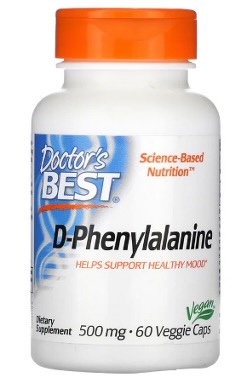
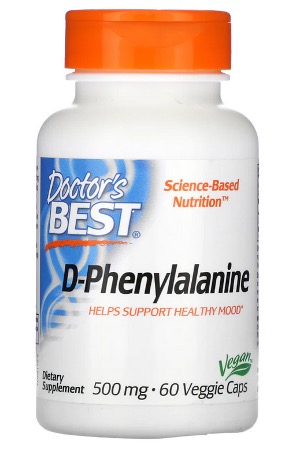
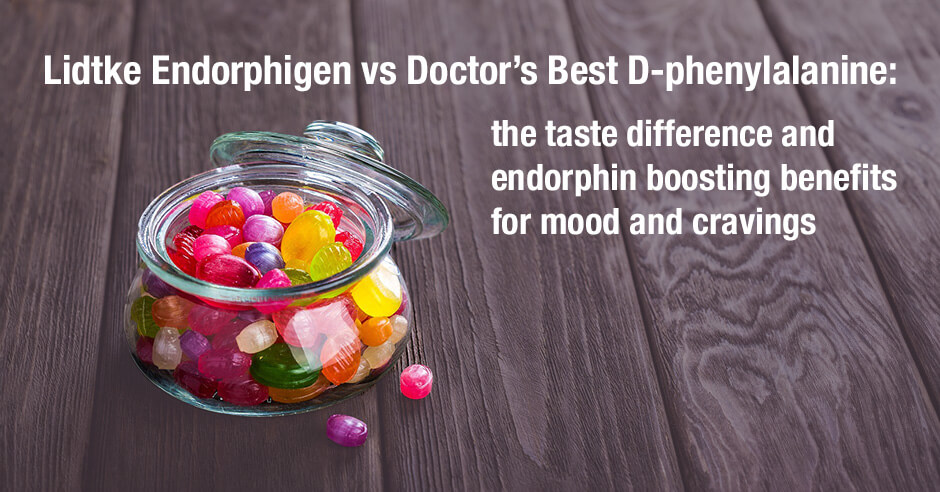
There are some pretty amazing nutrients that can balance brain chemistry and end emotional eating and I will be talking about the amazing nutrient DPA (d-phenylalanine) or Endorphigen. It is SO effective if you’re low in endorphins! Just watch Angie’s reaction when she sampled some….she actually called it a miracle!

Join me and 12 other experts for a teleseries each evening at 5pm PST. You can register here.  It starts Monday April 15 and runs through Friday April 26.

Eat Naked Margaret Floyd interviewed by Trudy Scott

April 12, 2013

margaret-floyd-eat-naked

I’d love to introduce you to Margaret Floyd, author of Eat Naked: Unprocessed, unpolluted, and undressed eating for a healthier, sexier you and its follow up cookbook, The Naked Foods Cookbook: The whole foods, healthy fats, gluten-free guide to losing weight and feeling great, which she co-authored with Chef and husband, James Barry.

We met last year at the Weston A. Price conference and saw each other again at the recent Nutritional Therapy Association conference, where I interviewed her about her two fabulous books! (I also met her lovely husband James and delightful daughter Sia)

You can watch this video to hear why she wrote this book…

You’ll hear Margaret talk about: real clean food… misconceptions about food… healthy food… simplify… and plenty of recipes

Margaret wrote Eat Naked for her clients and to educate the public at large. This book is an excellent introduction for people who are completely new to the concept of real nourishing food. And if you have been on this path for a while, you’ll receive validation and some interesting new facts. This book also meshes so perfectly with the eating message in the first chapter of my book The Antianxiety Food Solution and is a perfect companion for those who are familiar with my work, and yet want and need more detail, and more “meat” (no pun intended!).

You may be in for some pleasant surprises if you’ve given up meat for health reasons and no longer eat butter – and yet secretly long for these foods. They are back on the menu, but with the emphasis of quality of course! I knew I was in for a treat when I read Margaret’s dedication to her gamma: “You were right, butter is better.”

Here are a few of my favorite parts of Eat Naked:

  • It’s for people who love food, want to eat well and don’t have loads of time
  • It covers all the bad stuff: hydrogenated oils, sugar and HFCS, artificial sweeteners, soy
  • It covers all the good stuff: organic produce with some great information on pesticides and climate change and why canned tomatoes are a good choice
  • It addresses some interesting aspects of red meat: the Certified Humane Label, the sustainability of meat and a nice review of grass-finished
  • The discussion on eliminating sugar!  (why? because as you’ve heard from me many times, sugar is toxic, addicting, and can contribute to anxiety and depression)
  • How to transition to this way of eating and how to shop naked (don’t you just love the play on words!?)
  • Many delicious and yet simple recipes (try the Eggs on a Bed of Greens)

I LOVE recipe books and The Naked Foods Cookbook is a happy addition to my collection and is one I’ll use and recommend to clients. It fits the bill of having simple, fast and delicious recipes with the added bonus of them being super-nourishing too.

Finally, don’t you just love the covers of these books and the concept of naked undressed food!? How can that not make you fall in love with real food all over again!? And as Margaret says, eat like this and soon you’ll be proud to see your naked body!

Here are links to purchase these books on Amazon: Eat Naked: Unprocessed, unpolluted, and undressed eating for a healthier, sexier you and the cookbook, The Naked Foods Cookbook: The whole foods, healthy fats, gluten-free guide to losing weight and feeling great

Margaret Floyd is a Nutritional Therapy Practitioner, Certified GAPS Practitioner and Healing Foods Specialist based in the Los Angeles area. She’s a passionate advocate for the healing power of a real, whole-foods diet, and works with clients all over North America and Europe to regain their health and vitality through food and lifestyle.

Anxiety and Depression Association of America 2013 conference highlights

April 12, 2013
My gluten-mood poster at the 2013 ADAA conference

My gluten-mood poster at the 2013 ADAA conference

Last weekend I attended the annual conference of the Anxiety and Depression Association of America / ADAA and am pleased to share some of the highlights.

  • Gluten does have such a big impact on mood for so many people and I had many interested and curious visitors at my poster presentation (see the above picture)  “Evidence-based Research On The Serious Effects Of Gluten On Mental Health, With An In-depth Look At Testing And The Gluten-free Diet.” A number of people shared how gluten removal had eliminated their anxiety and/or depression too: a mom whose daughter quit gluten and found that this eliminated her panic attacks, a Canadian MD who didn’t know about gluten intolerance and infertility and the director of an anxiety clinic in Argentina. I was also honored to have Dr. Jerrold Rosenbaum, MD, ADAA Past President, Chief of Psychiatry, Massachusetts General Hospital and Professor of Psychiatry, Harvard Medical School, stop by. He said “interesting… everyone where I live is going gluten-free.” I asked him “and what kind of feedback are you getting?” Dr. Rosenbaum: “They’re all feeling better!”
  • I attended a great presentation by Dr. Teri Pearlstein: “Treatment of Perinatal Mood and Anxiety Disorders”. Dr. Pearlstein shared studies that show that babies born to depressed moms may have similar health problems as those born to moms taking anti-depressant medications i.e. lower birth weight and smaller head circumference. However, I also learned this: in a JAMA Psychiatry study of more than 1800 children, investigators found an adjusted 2-fold increased risk for ASD (autism spectrum disorder) among mothers who used an SSRI during the year before delivery and a 3-fold increased risk when SSRIs were ingested during the first trimester. The study was done in 2011 so it’s not new but it’s still an important finding. To me, this provides a very big incentive for using drug-free solutions for pregnancy – which is why the amino acids, fish oils and other nutrients that I cover in The Antianxiety Food Solution are worth investigating as a better option.  We really need some research in this area!

I’ll be sharing some other interesting posters (like “Mindful-based stress reduction for stress and cognition in older adults”) and presentations (like Benzodiazapine side-effects and tolerance) in my next post on the ADAA.

Gluten and the serious effects on mental health: ADAA 2013

April 1, 2013

logo_adaa

The 2013 annual conference of the Anxiety and Depression Association of America  is April 5-7 at the Hyatt Regency La Jolla at Aventine (La Jolla, California).  It’s a wonderful conference to hear all the latest research on anxiety and depression.  The focus of the conference is primarily therapy and medications with some presentations and posters on exercise, nutrients, guided imagery, yoga and one topic on gluten (mine!)

I’m doing a poster presentation Friday, April 5, 6:30 – 8pm, “Evidence-based Research On The Serious Effects Of Gluten On Mental Health, With An In-depth Look At Testing And The Gluten-free Diet.” 

This poster will identify what gluten is, where it is found and if the gluten-free diet is a fad or very real concern for those with mental health disorders. The following will be explained: gluten sensitivity, celiac disease, and wheat allergies. Evidence-based research will be reviewed, showing the serious impacts of gluten on various mental health disorders: anxiety, social phobia, panic attacks, depression, schizophrenia and bipolar disorder.

Here are a few examples of some the research that will be reviewed: 

  • “gluten sensitivity remains undertreated and underrecognized as a contributing factor to psychiatric and neurologic manifestations” (Jackson, Psychiatric Quarterly 2011)
  • Spectrum of gluten-related disorders: consensus on new nomenclature and classification (Sapone, BMC Medicine, 2012)
  • Celiac disease, wheat allergy, and gluten sensitivity: when gluten free is not a fad. (Pietzak, Journal of Parenteral and Enteral Nutrition 2012)
  • Gluten-free diet may alleviate depressive and behavioural symptoms in adolescents with coeliac disease (Pynnönen , BMC Psychiatry 2005)
  • Social phobia in coeliac disease (Addolorato, Scandinavian Journal of Gastroenterology 2008)

There will be an in-depth discussion of the various testing options and the many associated health problems that may be associated with gluten intolerance. This session will clearly define gluten-containing versus gluten-free foods when it comes to eating a gluten-free diet.

Here is my poster information on the ADAA site and the complete conference program here .

Overcoming Monkey Mind in Experience Life magazine

March 22, 2013

April Experience Life cover“Three experts offer tips for overcoming mental chaos and reclaiming a balanced brain.”

The first expert is Eric Maisel, PhD, psychotherapist, creativity coach, and author of 40 books, most recently Natural Psychology: The New Psychology of Meaning (Natural Psychology Press, 2012) recommends:

“monitoring your breathing and monitoring your thinking at the same time” as a “quick way to get centered and quiet monkey mind.”  He shares his 10-second technique.

The second expert is Henry Emmons, MD, integrative psychiatrist and author of The Chemistry of Calm: A Powerful, Drug-Free Plan to Quiet Your Fears and Overcome Your Anxiety (Touchstone, 2010) recommends:

reconnecting with your body by getting “out of your head and into your body.”  He suggests techniques like “placing your hand on your lap” and paying attention “to the feeling of warmth that’s exchanged between your hand and body” or simply listening to music

I was thrilled to be third expert and share tips for rebalancing your biochemistry and neurotransmitters…Trudy Scott, CN, nutritionist and author of The Antianxiety Food Solution: How the Foods You Eat Can Help You Calm Your Anxious Mind, Improve Your Mood, and End Cravings (New Harbinger, 2011)

I suggest the amino acid tryptophan and quality grass-fed red meat if low serotonin is the issue. Serotonin is a neurotransmitter that “helps produce feelings of well-being and also helps you switch off worry and ruminating thoughts.”  I also recommend eating a protein-rich breakfast – something that is key for every one of my clients.”  If you experience “poor focus, scattered thoughts, ADD-type symptoms and fatigue” “the supplement to try is tyrosine.”

Have you been able to switch off monkey-mind with any of these tips?

You can read the whole article in the April 2013 edition of Experience Life magazine here   or pick up a physical copy from bookstores or grocery stores

It’s a great magazine and I love this summary on the about page:  “Experience Life is your guide to a healthy way of life. Your road map toward real and lasting self-improvement. Your antidote to all the fuss and nonsense that dominates the vast majority of health and fitness publications. Because being healthy is a revolutionary act.”